A concept proves itself in the model, not in the presentation
An F&B concept can look powerful through naming, moodboards, and architecture. But its commercial viability is decided elsewhere: in guest behavior, pricing logic, kitchen carry capacity, and whether service can repeat the promise cleanly. This article is for investors building a new brand and operators pressure-testing a concept before capital hardens around it.
The real question is not “is it attractive?” It is “will people buy it, and can the operation repeat it profitably?”
Demand price point and daypart have to sit in the same file
| Signal | Healthy reading | Weak-model warning |
|---|---|---|
| Guest fit | The buyer is clearly defined | The concept tries to appeal to everyone |
| Daypart | Revenue logic is clear by hour and occasion | The model depends only on peak windows |
| Price point | Average check is defensible for the location | Pricing works only in optimistic scenarios |
| Menu scope | The kitchen can carry it every day | It is too wide for the real operation |
| Service language | The promise is trainable and repeatable | The price feels premium but the team structure is weak |
This is why the investment due diligence checklist and the restaurant feasibility checklist should be read alongside the concept itself. A concept is not just a creative idea. It has to be a commercial system.
Can the kitchen and service actually carry the promise
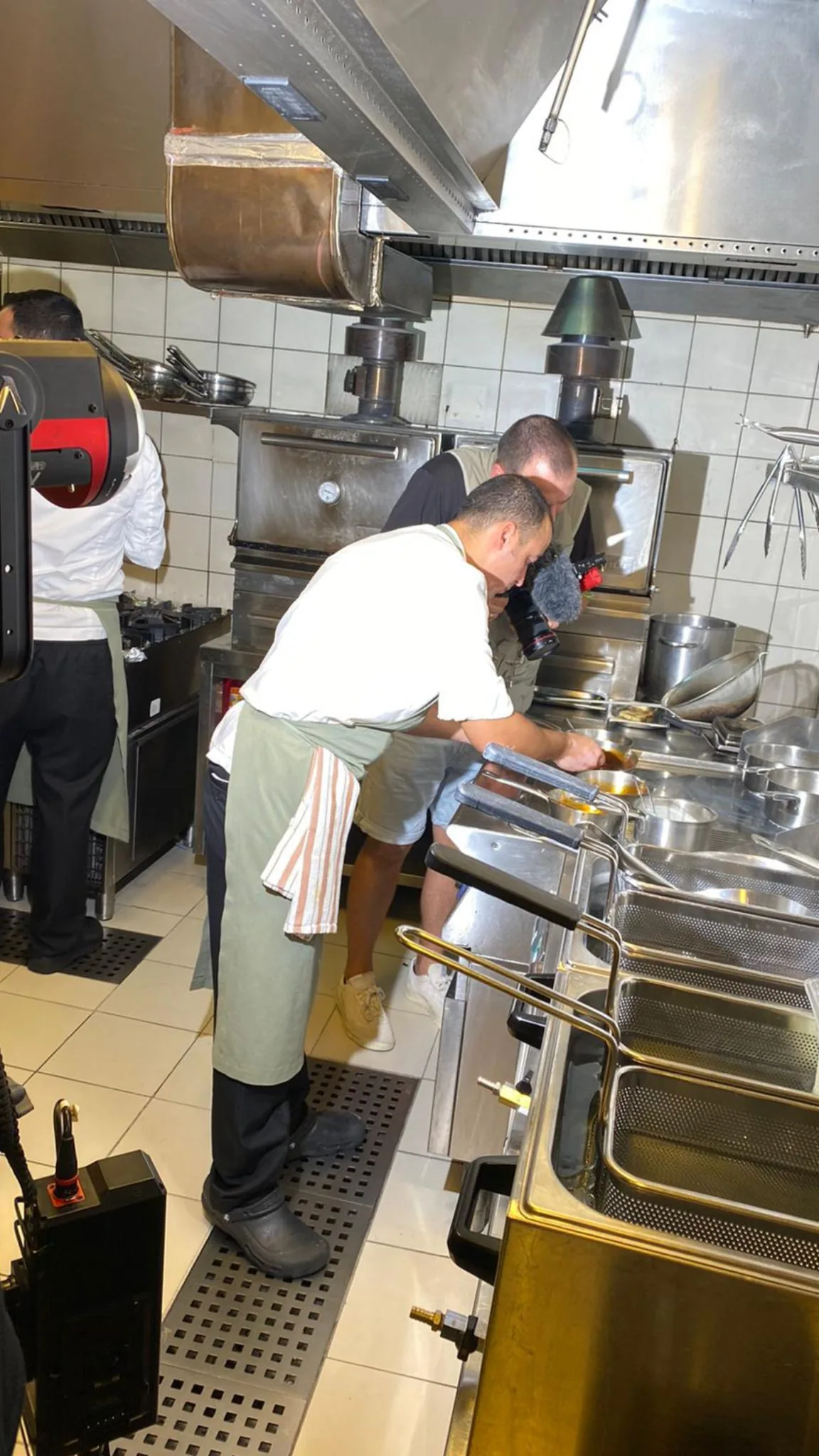
Commercial concepts most often break in kitchen and floor reality. A lean team opening with a technically dense menu usually loses service rhythm immediately. In the same way, a brand promising warm and fluid hospitality can become artificial if the room language becomes too formal or heavy. That is why why menu design must start before fit-out and how to develop a premium restaurant concept belong directly to this conversation.
The core questions are practical: which stations carry the menu, which team carries the volume, and at which service pace is the target ticket actually produced? If the answers work only on the best day, the concept is romantic rather than commercial.
Why beautiful decks still collapse
Strong-looking concept files usually collapse in three places. First, demand is assumed too generously. Second, menu scope and kitchen investment inflate each other unnecessarily. Third, the price level is not aligned with what the room and service can truly justify. That combination may not weaken the brand story on paper, but it puts real pressure on cash flow in the first months.
Commercial viability testing should therefore happen at the same time as concept development, not after it. If the model is still unclear under that pressure, investment consulting and restaurant concept development need to work together. A commercially strong concept is one that sells and repeats cleanly.