Why the Supply Chain is the Foundation of a Michelin Kitchen
When a Michelin inspector evaluates a dish, they examine and taste everything before them. The quality of raw ingredients comes before cooking technique. Even in the world's most technically accomplished kitchens, poor raw materials tie the cook's hands. This reality shapes Michelin restaurants' relationship with suppliers into something very different from the standard vendor-buyer model found elsewhere in the industry.
In Michelin restaurants, chefs invest personal time in supplier selection. They visit fields, boats, and farms in person. These visits are not promotional; they are field verification of quality standards.
Product Specification Documents
There should be a written product specification for every critical raw material. This document covers:
Category 1 - Definition: The botanical or zoological name, variety, and origin of the product.
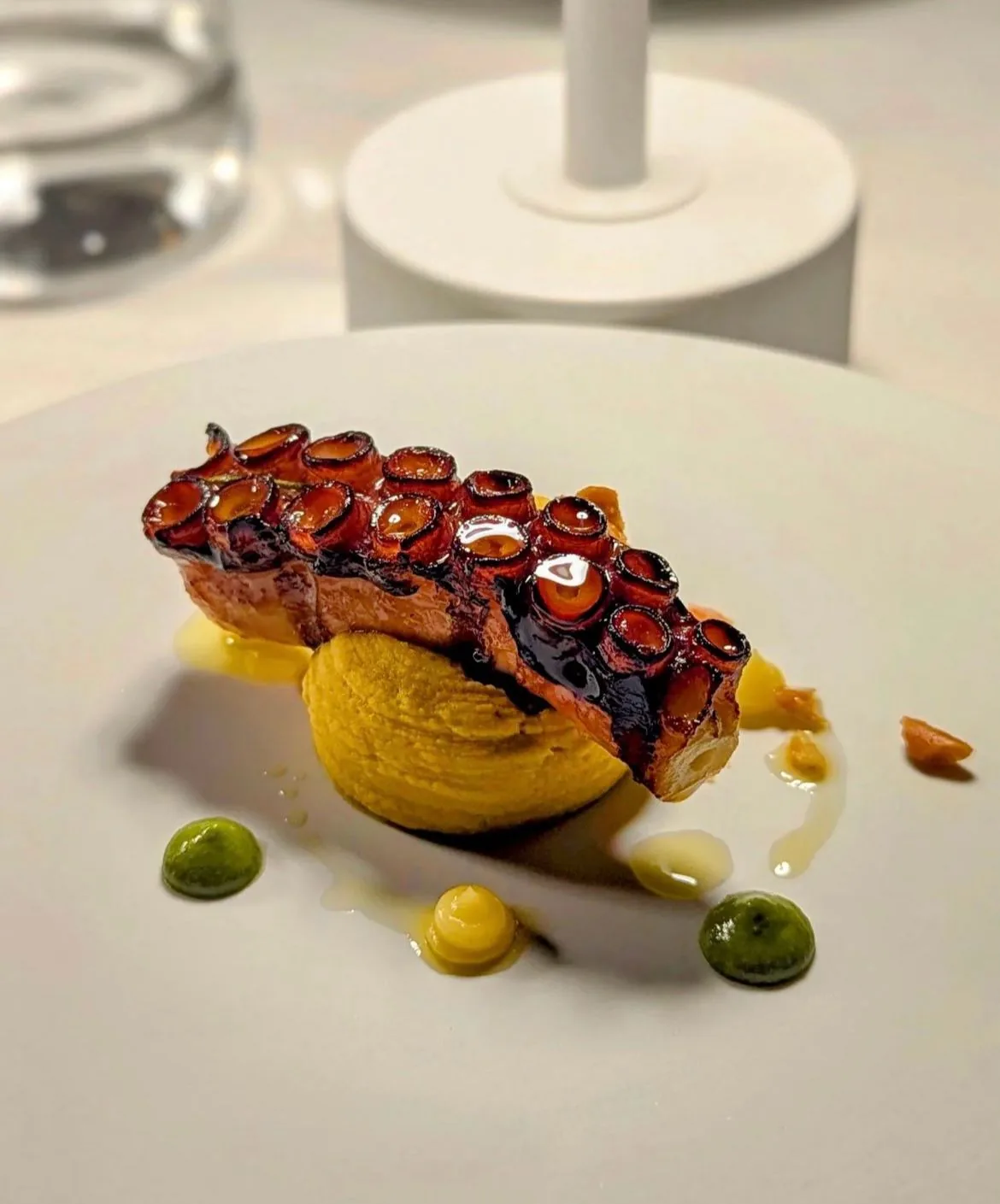
Category 2 - Measurement Criteria: Weight range, size, age, or daily harvest. For example: "Octopus: 600-800g, caught within maximum 48 hours, Aegean origin."
Category 3 - Visual Standard: Photographic reference for colour, consistency, and appearance.
Category 4 - Rejection Criteria: Under what conditions a delivery is rejected. Accepting a delivery outside specification lowers the standard.
These documents enable the kitchen team to make the right decision during a delivery when the chef is absent. Defined criteria take the place of subjective assessment.
Supplier Selection Process
In Michelin kitchens, the new supplier acceptance process operates in three stages:
Stage 1: Sample Evaluation
The supplier sends samples on at least three different delivery dates. These samples are evaluated against the chef's taste standards.
Stage 2: Site Visit
Visiting the source directly provides accurate information and signals the depth of the relationship with the supplier. Growing conditions, harvest or slaughter protocol, and cold chain practices are observed on-site.
Stage 3: Pilot Purchase
The new supplier is tested with small-volume purchases before entering the menu. Every delivery is reported for one month; after two consecutive compliant deliveries, they are designated as a standard supplier.
Daily Delivery Quality Control Protocol
The morning delivery acceptance process in a Michelin kitchen is not a random task but a defined protocol:
- 1Delivery document is compared with product specification
- 2Temperature measurement is taken (cold chain verification)
- 3Visual check: colour, smell, integrity
- 4Weight or size measurement is done on a sample basis
- 5Any item found outside specification is rejected and the supplier is notified
It is critical for this protocol to be written down. Defined criteria instead of subjective decisions increase the team's confidence and consistency.
Supplier Relationship: The Partnership Model
The best supplier relationships in Michelin kitchens go beyond the buyer-seller model. A supplier calls the chef to announce the season's best product; at the chef's request, the supplier adjusts the special harvest date.
Building this relationship takes years; but the benefit gained is proportional. Example: A Michelin chef informed at 06:00 in the morning about a special catch from a small boat can trigger a menu change that same evening.
Seasonality and Supply Planning
Michelin kitchens work with seasonal menus. This makes supply planning not an annual activity but a weekly or even daily one.
To be done at the start of the season:
- Confirming the start dates of the new harvest period with the supplier
- Updating specifications for the new season's product
- Refreshing the backup supplier list (insurance for main supplier failure)
Supply Chain Documentation
For Michelin restaurants, supply chain documentation has become a story presented to guests. A narrative like "This vegetable comes from a 100-year-old family farm in Kastamonu, seed selection uses heirloom varieties" enriches both the menu and the experience.
Ensuring the accuracy of this story is not just an ethical obligation but also critical for brand integrity.
Conclusion
Supplier quality management at Michelin standards is not managerial rhetoric but a systemic practice embedded in the kitchen's daily rhythm. The structure spanning from specification documents to field visits, from daily acceptance protocols to supplier partnership models, forms the foundation of the quality felt on the plate.