Mugla's F&B Potential
Mugla is home to one of Turkey's largest holiday destination clusters: Bodrum, Marmaris, Datca, Gokova, and Ula attract different guest profiles each season. This diversity represents both an opportunity and a challenge for hotel F&B operations.
If occupied rooms during peak season are not generating adequate F&B revenue, part of the operation is underperforming. In coastal hotels, F&B should represent 25 to 35 percent of total revenue; properties falling below this threshold are effectively handing a significant portion of the guest experience to outside operators.
The Impact of Season Concentration on F&B
Mugla hotels earn the bulk of their annual revenue between April and October. This six-month window demands that the F&B team operates at maximum efficiency while continuously improving average spend per cover.
Pre-season preparation covers menu engineering, staff training, and supply chain agreements. In-season priorities shift to daily food cost tracking, reservation occupancy analysis, and service speed.
During the peak period of July and August, the kitchen team's capacity reaches its limits. Rather than testing new menu items during this period, optimising the existing menu reduces operational risk. April, before the season begins, is the ideal time for innovation. The seasonal hotel kitchen team training guide covers how to use this preparation window most effectively.
Different F&B Profiles by Sub-Destination
Bodrum: This market, dominated by high-income guests, is sensitive to fine dining and premium bar revenues. International guest ratios are high; English menus and service standards are critical parameters.
Marmaris: With a strong family and youth market, volume and speed take priority. The hotel restaurant often becomes the guest's only dining option, making menu variety and price accessibility important.
Datca: As boutique and lifestyle hotels multiply, Datca guests seek authentic and local experiences. Building supply partnerships with local fishermen and farmers, then translating these into menu storytelling, can transform F&B into a powerful sales driver.
Four Critical Elements of Premium Positioning
1. Price-Value Balance
Rather than forcing premium pricing onto the Mugla market, increasing perceived value is a more sustainable strategy. When guests feel they clearly received value for their spend, they return and recommend. It is not the price but the value delivered at that price that is decisive.
2. Local Ingredient Storytelling
"This fish arrived from Datca this morning" can be a more powerful sales tool than menu descriptions. Hotels that use supplier names and stories on menus and in table conversations measurably increase guest satisfaction.
3. Unique Experience Design
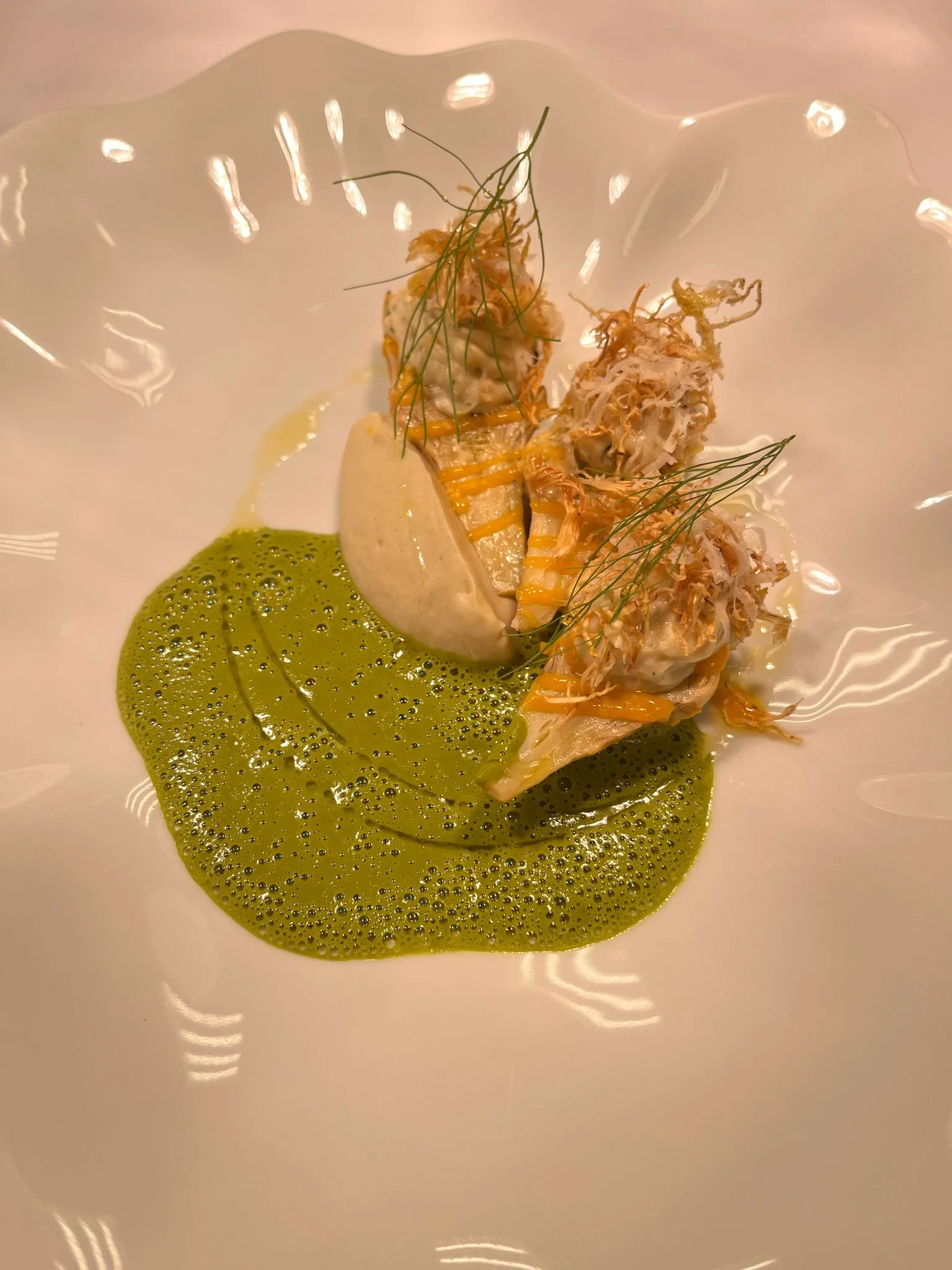
A hotel restaurant must offer something distinctly different from a town restaurant. This difference can come from architecture, ambiance, plating philosophy, or service rituals. "Sea views" alone are no longer a sufficient differentiator.
4. Staff Calibration
Guest expectations in Bodrum differ from those in Marmaris. Training teams to internalise this difference directly impacts the seasonal quality of F&B operations. Role definitions must be written down before service begins.
Practical Ways to Increase Average Spend
Recommending an aperitif during reservation or at check-in brings the guest into the F&B ecosystem early. Wine pairing suggestions during dinner service signals not just product sales but the creation of an experience.
Offering premium cold-pressed juice options at the breakfast buffet is a low-cost, high-perceived-value element. Chef's table evenings or romantic dinner packages can significantly increase F&B revenue per guest.
Conclusion
Achieving a lasting premium in Mugla F&B is not possible with a one-time menu change. When strategy, training, supply chain, and experience design are addressed together, the hotel restaurant becomes the engine of both guest satisfaction and overall hotel profitability. The menu dimension of this strategy can be deepened with menu design and development, and the Bodrum hotel breakfast profitability guide offers a regional implementation lens.