The 7 mistakes that burn the most capital
In a restaurant opening, the biggest costs often arrive as bad surprises. Investors and operators tend to make design, equipment, menu, and staffing decisions separately. But the opening outcome depends on reading location logic, price point, kitchen capacity, team structure, and working capital inside the same file. This guide isolates the seven most expensive failure points before launch.
| Mistake | Why it looks harmless at first | Real cost |
|---|---|---|
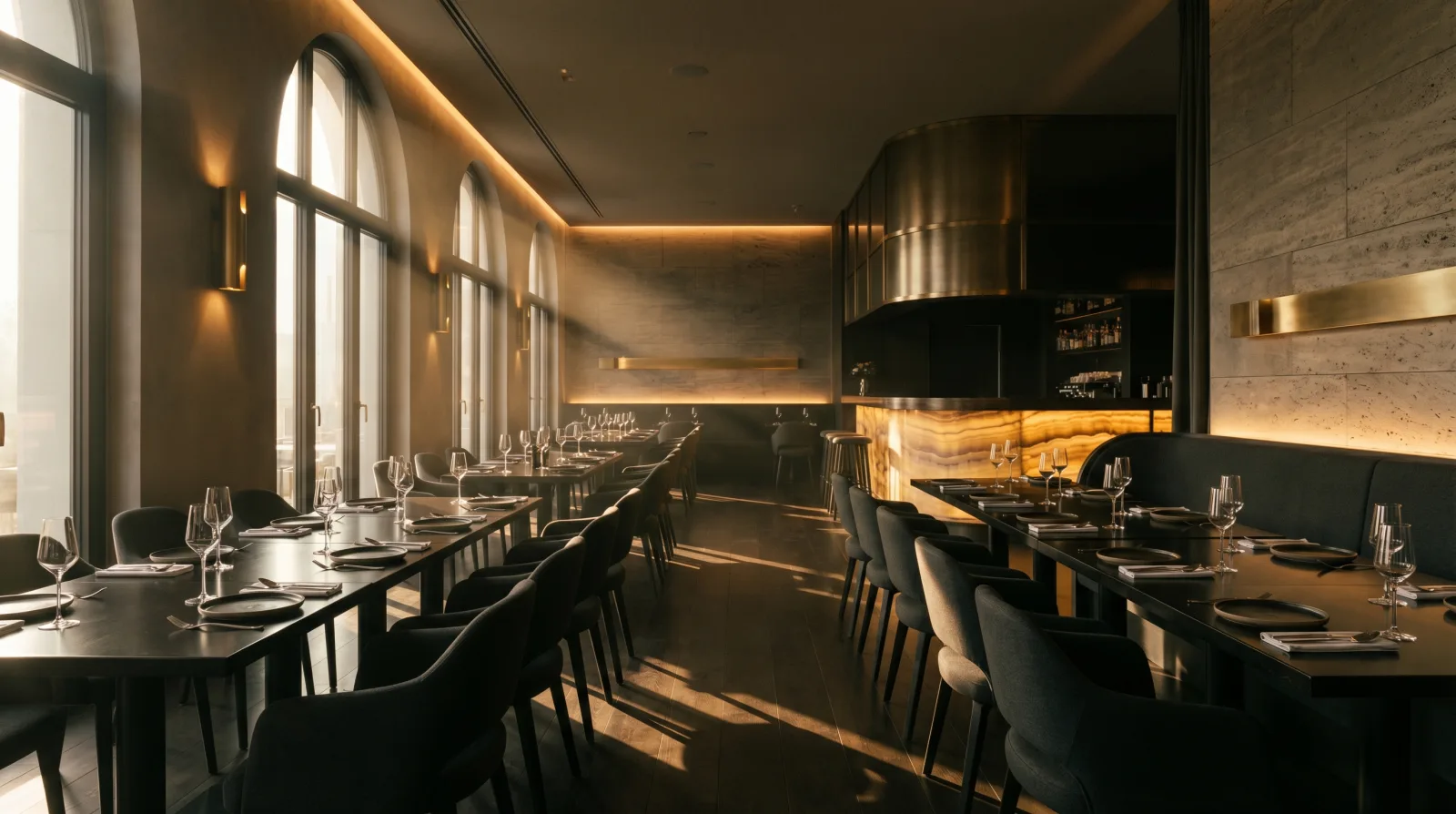
| Choosing the location emotionally | The street, view, or architecture feels convincing | Demand, rent, and daypart logic do not align |
| Building a menu beyond capacity | More menu width feels like a stronger brand | Food cost, waste, and service times climb |
| Inflating fit-out and kitchen spend | Bigger kitchen spend feels more professional | CAPEX suffocates working capital |
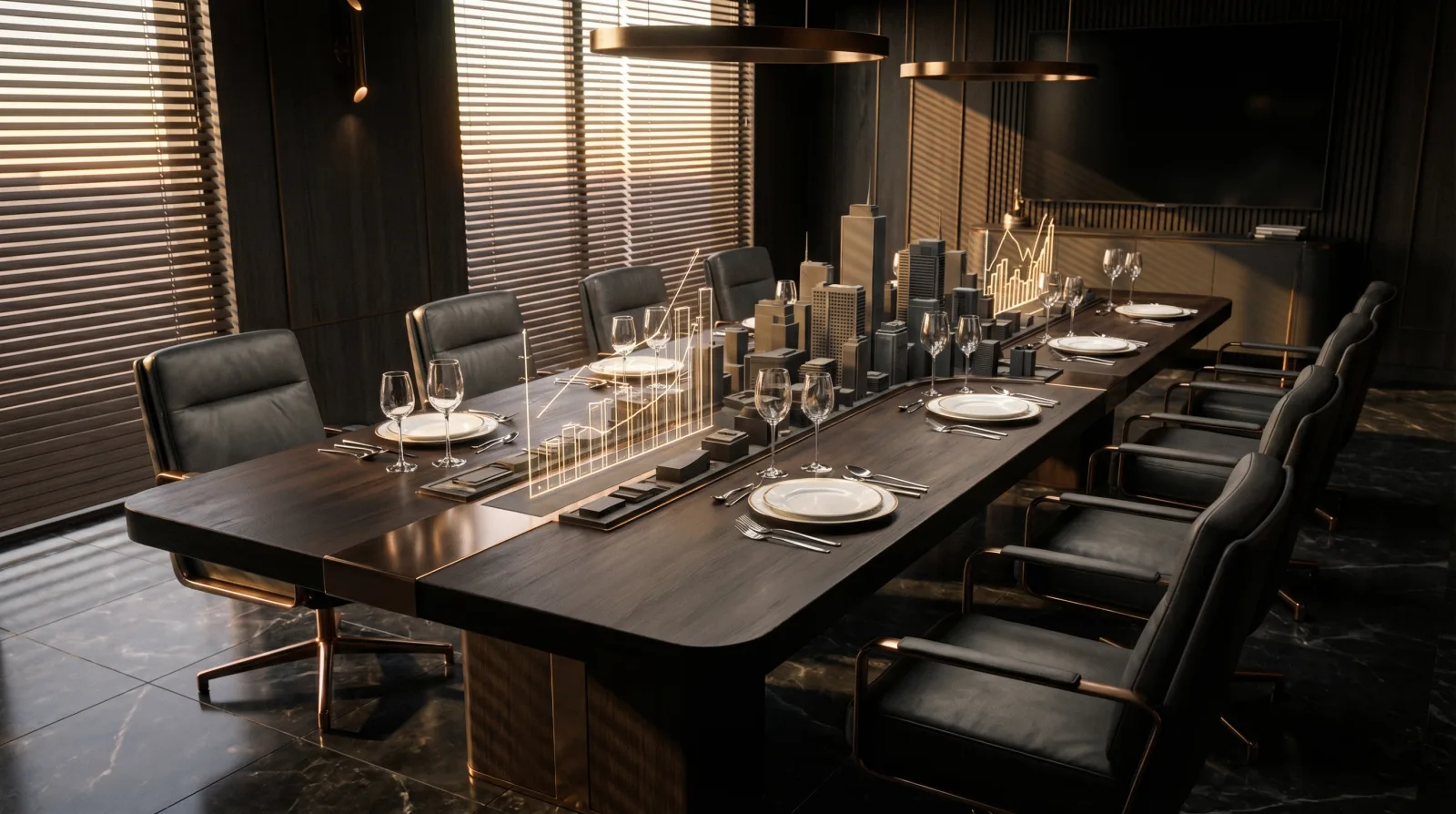
| Underfunding working capital | The opening budget looks complete | Cash pressure starts in the first months |
| Pricing only against competitors | It appears market-aligned | Margin and guest promise fall out of sync |
| Delaying team readiness until after soft opening | The opening date feels protected | Recipe and service standards collapse in week one |
| Compressing the timeline unrealistically | Faster opening seems cheaper | Revisions, delays, and mistakes become more expensive |
- 1Choosing the location emotionally: A strong-looking site is not always the right site. If you do not know who buys there, at which times, and at which check level, even a beautiful street can become a weak investment.
- 2Building a menu beyond capacity: An oversized opening menu puts pressure on the kitchen far faster than it creates value for the guest. Menu scope has to fit the team and the equipment you can truly operate.
- 3Inflating fit-out and kitchen spend: Buying too much too early makes the project look premium on paper while weakening the cash position that the first months actually need.
- 4Treating working capital as separate from the opening budget: Opening is not where the burn ends. Training, soft opening, waste, revisions, and slower-than-expected revenue ramp all create pressure after the doors open.
- 5Pricing only by competitor lists: Copying a competitor's pricing is easy, but if your ingredient standard, occupancy cost, and service level are different, the same price can still create a weak model.
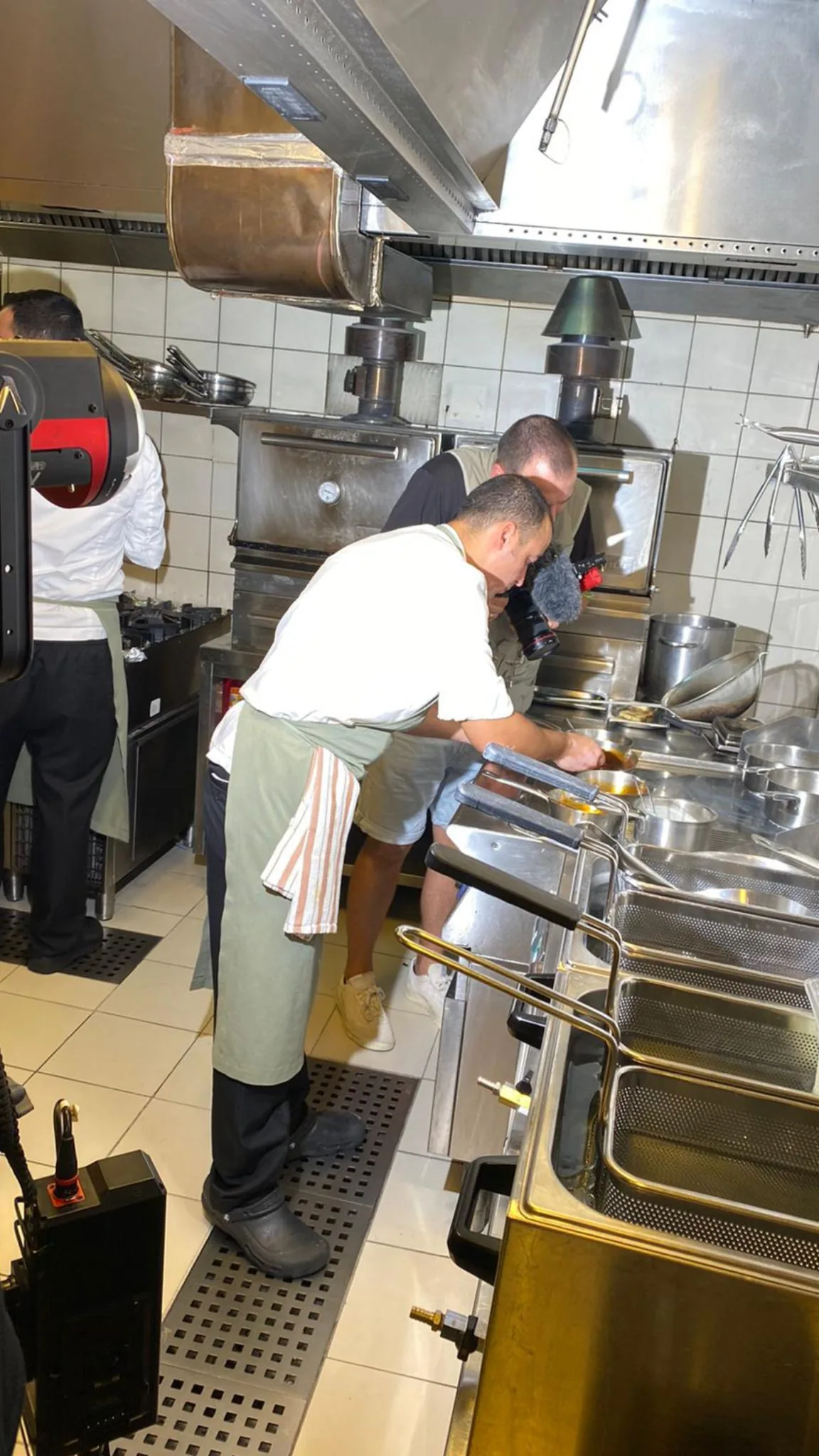
- 6Leaving team readiness until after soft opening: If recipes, pass communication, and service pace are not rehearsed before launch, the guest experiences inconsistency immediately.
- 7Compressing the schedule unrealistically: The most expensive revisions usually come from rushed sequences. When architecture, kitchen planning, purchasing, and training do not move in the right order, the correction cost multiplies.
How to prevent these mistakes
The best protection is balancing launch excitement with decision discipline. That is why how to build restaurant feasibility before opening, the restaurant opening cost guide for 2026, and why menu design must start before fit-out should be read inside the same frame. When the pre-opening sequence is correct, most expensive surprises become visible before the first service.
A healthier pre-opening sequence
- 1Define guest fit, location logic, and price point.
- 2Narrow the concept promise and menu scope accordingly.
- 3Make kitchen, equipment, and fit-out decisions from the menu, not before it.
- 4Read CAPEX and working capital together.
- 5Complete team training and service rehearsal before soft opening.
Restaurant opening is not a speed contest. It is a mistake-elimination process. The cleaner the sequence, the more protected the capital.