Restaurant concept is not decor. It is a commercial model
If a restaurant concept is treated only as an aesthetic idea, the project starts incomplete. Concept decides who the venue serves, at which price level it operates, how wide the menu should be, and which service rhythm the space can actually carry. An idea that looks strong but does not perform becomes one of the most expensive post-opening problems.
Guest fit and price level have to be read together
The first question in concept design is not “which cuisine do we like?” but “who will buy here, and at what level?” If local demand, competitive landscape, daypart logic, and average-check expectation are unclear, even a strong brand language will not protect the business.
Menu architecture and kitchen reality
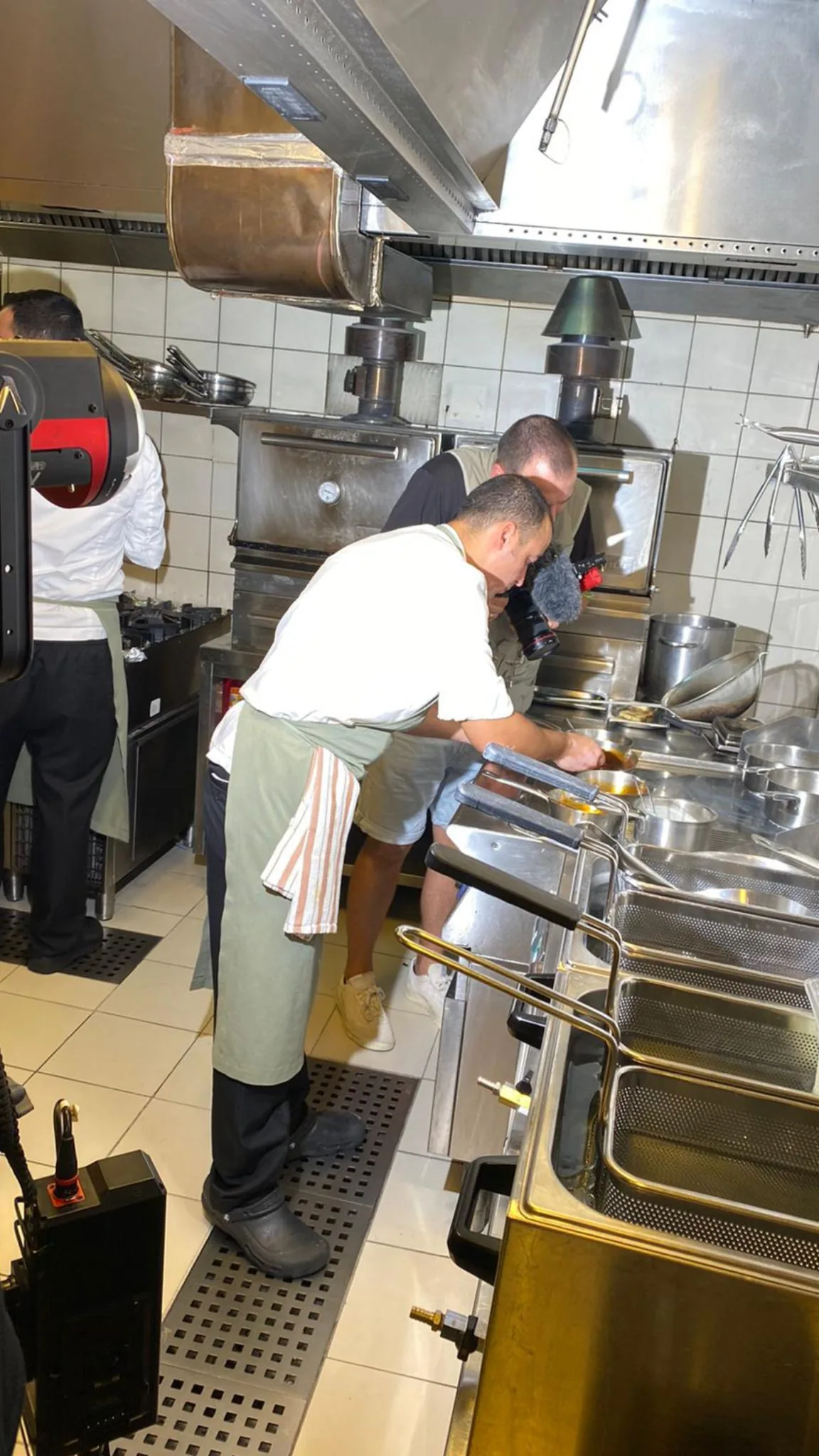
The menu is not the concept manifesto written on a wall. It is the version the kitchen has to carry every day. Too much menu width, too much technical intensity, or oversized kitchen investment does not make the concept stronger. It makes it more fragile. That is why the restaurant opening cost guide for 2026 and the what a restaurant consultant does guide should be read alongside this topic.
Spatial experience and brand language
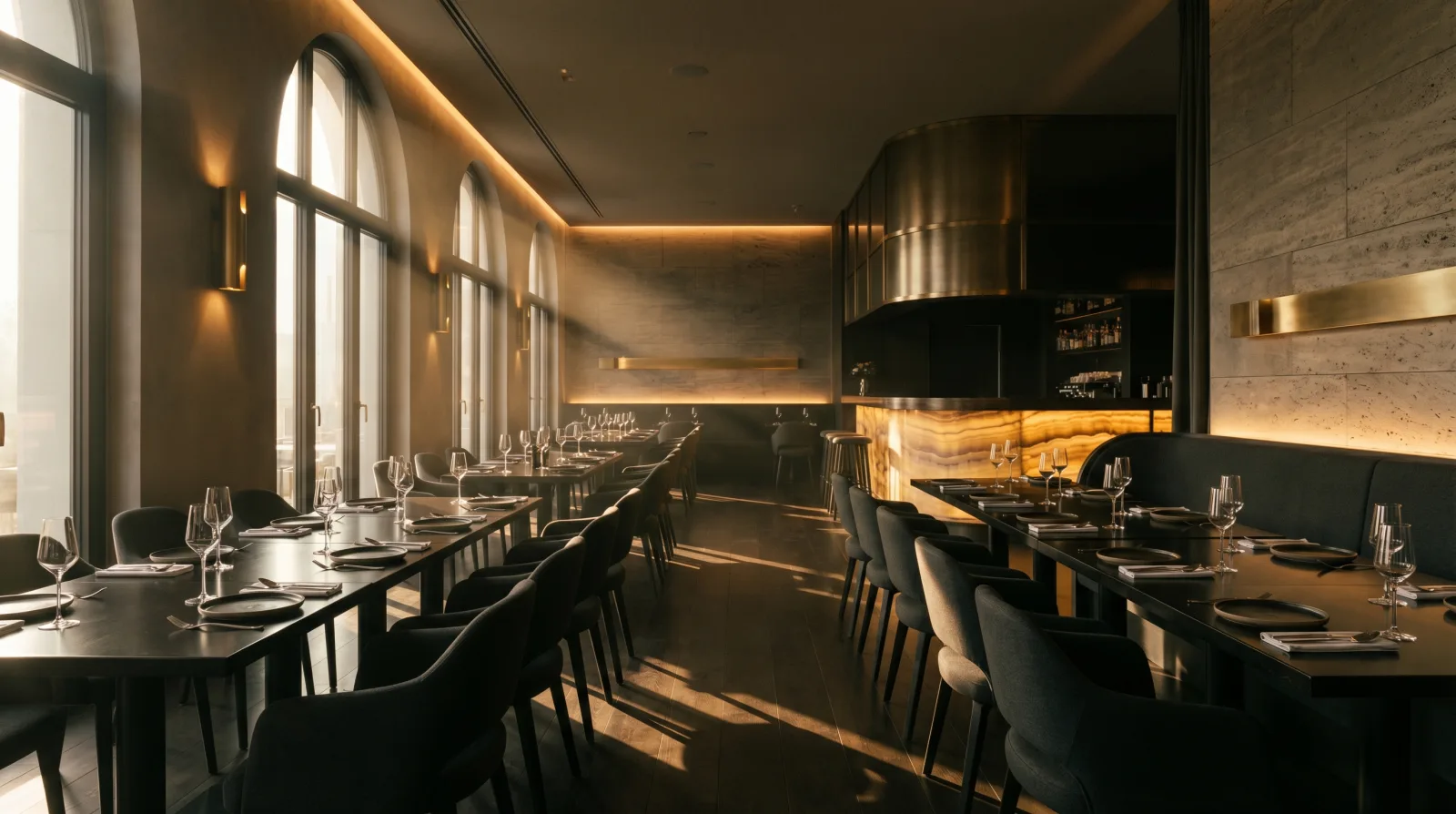
The space has to speak to the menu. Lighting, table spacing, service style, music, and material selection all need to carry the same identity. Concept design is not about choosing decor pieces. It is about systemizing perception.
Which decisions must be clear before opening
- 1Target guest and price level
- 2Menu scope and production model
- 3Kitchen equipment and service tempo
- 4Brand language, design logic, and team behavior standard
- 5The core assumptions that must be tested before soft opening
Conclusion
An enduring restaurant concept is the balance between romantic idea and commercial reality. If the concept aligns guest fit, menu logic, kitchen capability, and capital discipline, design becomes an operating advantage instead of a cost center.