
What is room service?
Room service is in-room food and beverage service for hotel guests. The guest places an order by phone or app, the kitchen prepares it, and a service team delivers it within a defined timeframe. Success is measured by delivery speed, temperature integrity, presentation quality, and service consistency.
Why room service design starts with operating reality
A room-service menu should not be a reduced copy of the full restaurant menu. In the room, guests want speed, temperature, trust, and clarity before they want breadth. This guide is written for owners, GMs, and F&B leaders at boutique and resort hotels where in-room dining is underperforming. A badly designed menu strains the kitchen, overloads night shifts, and increases review phrases such as late, cold, and not worth it.
In many properties, room service is treated like a small revenue line. Its real influence is larger because problems experienced inside the room are often read as proof that the hotel itself is unreliable. That makes room service an operating-design issue, not only a menu issue.
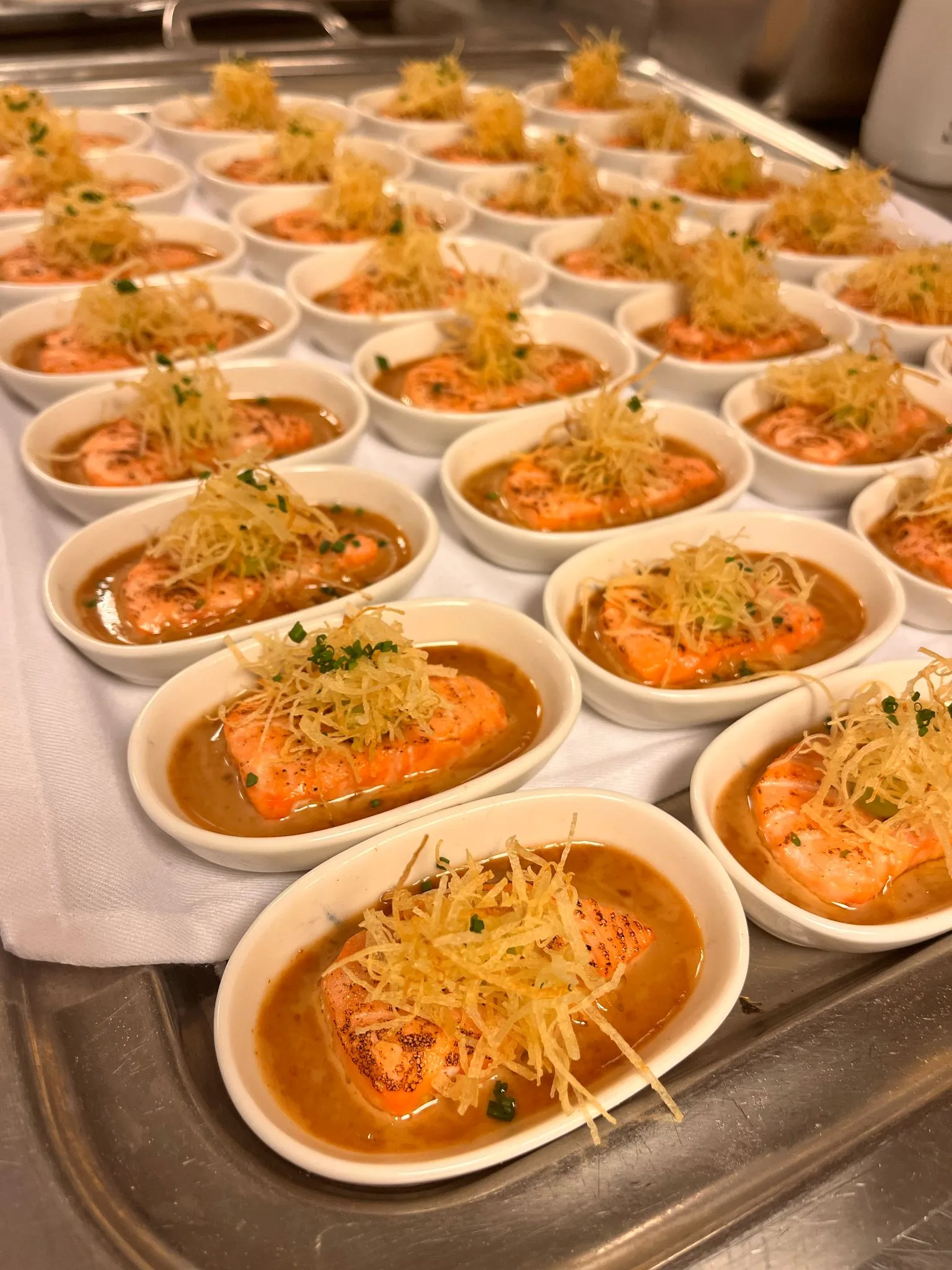
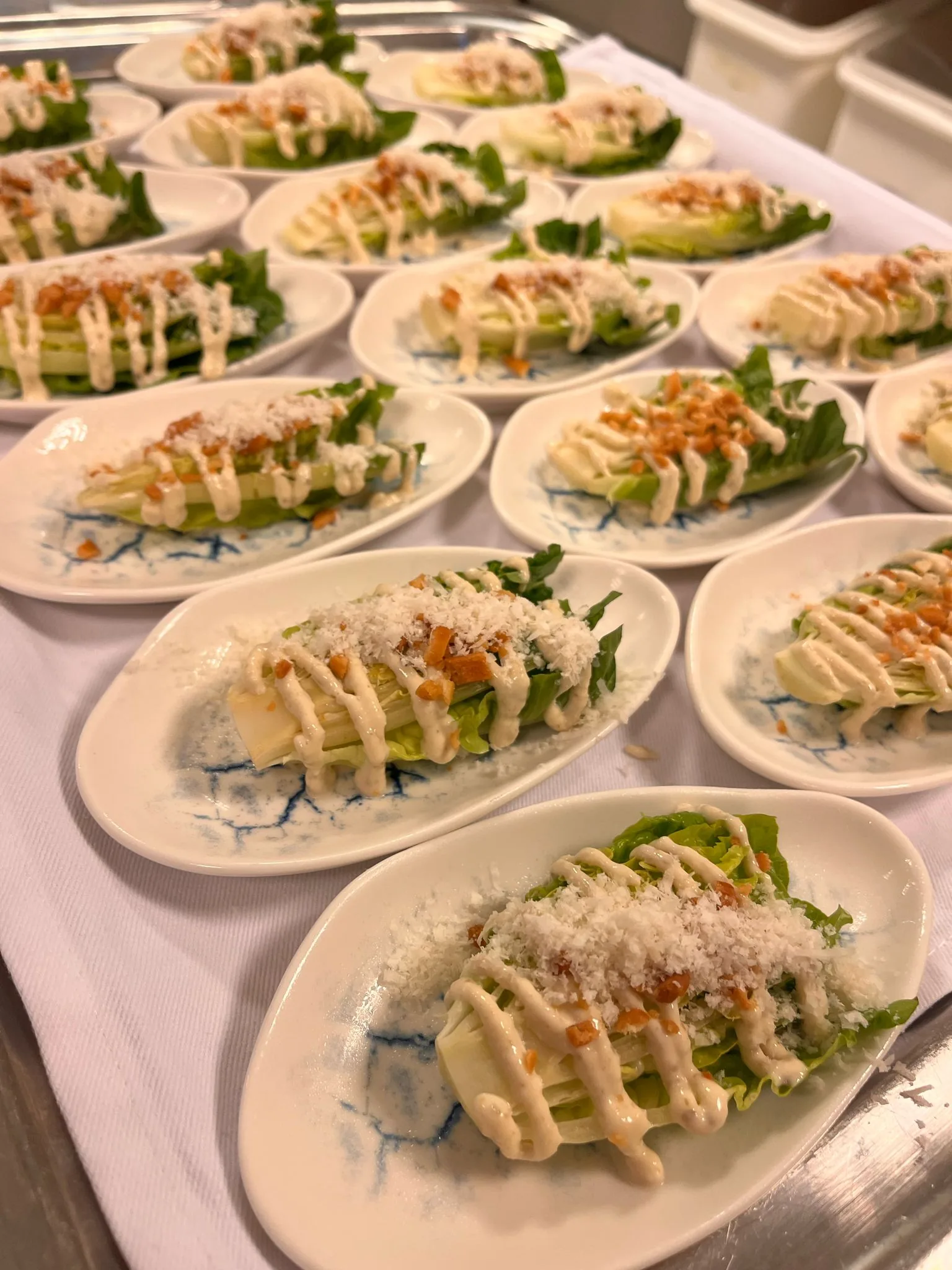
Which items should stay on the menu
| Product group | Why it belongs | Operating rule |
|---|---|---|
| Breakfast core | High-demand category with strong review influence | Target delivery under 20 minutes |
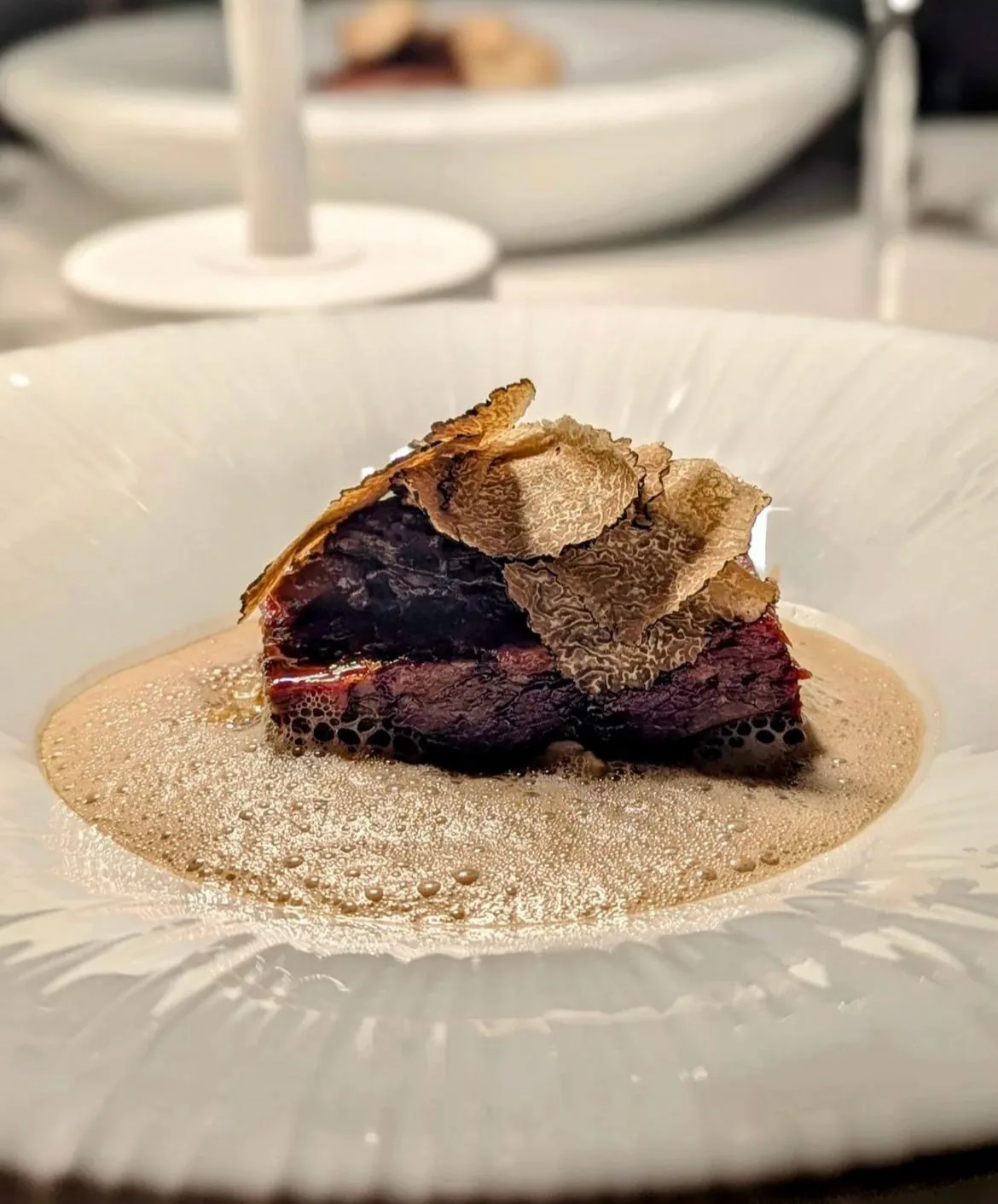
| Warm comfort dishes | Reassures late-arrival and night guests | Must hold quality during transport |
| Cold snacks and salads | Faster execution with lower risk | Prep must be fully standardized |
| Child and special-diet option | Prevents lost orders | Limited but clear alternatives are enough |
The mistakes that damage both margin and reviews
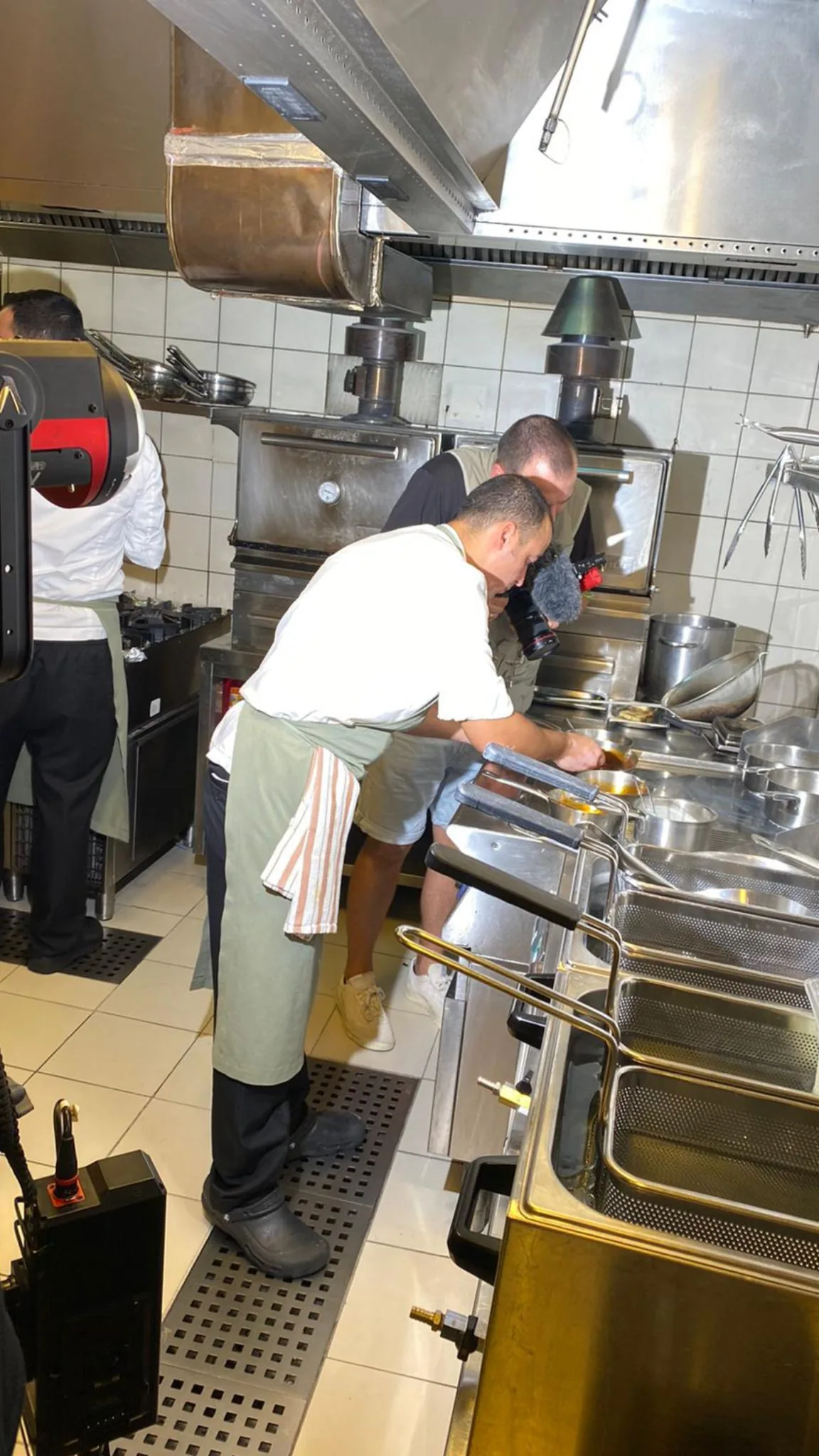
The first mistake is copying too much of the a la carte menu into room service. The second is never testing how plates change during elevator and corridor travel. The third is ignoring how many products the night shift can actually execute safely. Fried items, multi-component plating, and dishes requiring last-minute finishing usually create more risk than return in hotel room service.
Another common failure is pricing logic. Guests will often accept a premium for room service, but only if speed, packaging quality, and delivery professionalism justify it. Higher pricing combined with poor execution quickly weakens review sentiment.
Which KPIs should room service be measured by?
- 1Order-to-door time (minutes): Total time from order confirmation to delivery at the guest door.
- 2Temperature and integrity score: Whether delivered items meet the target temperature range and presentation integrity.
- 3Repeat-order rate: Whether the same guest places a second room service order within the same stay.
- 4Late-shift performance: Speed and error rate for orders after 22:00.
Which data should drive updates
Room-service design should be managed by data, not instinct. Delivery time, reorder rate, most-returned items, night-shift bottlenecks, and contribution margin by item should be read together. If a product sells but is constantly delivered late, its apparent profitability is misleading. The best room-service menu protects guest trust while keeping the kitchen out of unnecessary complexity.
This topic should be developed together with hotel food and beverage consulting, menu design and development, and operations improvement. The hotel breakfast concept guide and the guest review article also show how room service feeds wider hotel perception.