A Gastronomic Migration Story
A culture's kitchen carries its DNA. The migration of Turkic peoples from the Central Asian steppes into Anatolia, and outward to the Balkans and the Middle East, produced one of the greatest culinary syntheses in history. This is not merely the migration of dishes — it is the migration of techniques, flavors, and culinary philosophy.
Today, in dozens of countries from Greece to Bosnia, from Albania to Bulgaria, dishes bearing Turkish traces live on in national cuisines. As a chef, recognizing this heritage is both a cultural responsibility and a source of creative inspiration.
The Necessities of the Steppe
The Evolution of Dough: Yufka
Nomadic life is built on two imperatives: mobility and long-term preservation. Food must be light, non-perishable, and rapidly prepared. These three requirements gave birth to yufka — one of Turkish cuisine's most original inventions.
Yufka is unleavened dough made only from flour, water, and salt, cooked in minutes on a sac (a convex thin iron griddle). It thins to near-paper thickness; stacked in layers, it stays fresh for months. It was the foundation of military campaigns, long journeys, and nomadic camp life.
Baklava's origin: Early Turkic communities placed honey and clotted cream between yufka layers to create both nourishing and flavorful field rations. This primitive "layered sweet" concept was refined and systematized in the Ottoman imperial kitchen, evolving into the golden, pistachio- or walnut-filled, syrup-soaked baklava. Gaziantep baklava today holds UNESCO Intangible Cultural Heritage status.
Cured Meat: Pastirma
For the steppe warrior, meat was both sustenance and strategy. But meat spoils. The solution came through a technique perfected over centuries: bastırma (pressing down).
Salting meat and tucking it under a saddle — the horse's rhythm and weight pressed against the meat while wind and sun slowly dried it — produced a long-lasting protein source. "Bastırma" (pressed meat) became "pastirma." Today's pastirma is beef rubbed with çemen (a paste of fenugreek, garlic, red pepper, and salt), a refined descendant of this ancient nomadic preservation technique.
Chefs at Michelin-starred restaurants increasingly place pastirma alongside bresaola (Italy), jamón ibérico (Spain), and prosciutto (Italy) in the cured meat category. Gastronomy historians now broadly accept that pastirma's technical origins trace to the Turkish corridor at the southwestern end of the Silk Road.
The Capital of Fusion: Anatolia
The Meeting of Olive Oil and Nomadic Fats
Anatolia carried thousands of years of accumulated knowledge from Hittite, Phrygian, Roman, and Byzantine civilizations. These lands produced olive oil, figs, vine leaves, garlic, mint, and thyme in remarkable abundance. When nomadic Turkic culture arrived in Anatolia, its tradition of tail fat and animal fat for cooking met olive oil.
This encounter generated one of history's most productive culinary fusions:
- Onions sautéed in olive oil combined with meat stocks to create richly aromatic stew bases.
- Steppe yogurt blended with fresh Anatolian herbs and garlic to become the region's indispensable meze.
- Dried fruits (apricots, raisins, figs) began to be systematically used to add sweet layers to meat dishes.
The Birth of Meze Culture
The word "meze" derives from the Persian "maza" (taste, flavor). But meze culture — small shared portions, encouraging communal eating, rich variety of cold and warm dishes — emerged from the fusion of the Turkic settlers' "sofra" (table setting) tradition with indigenous Anatolian flavors.
Today, meze culture thrives in Turkish, Greek, Lebanese, Israeli, and Syrian cuisines — each with its own regional variations. The Anatolian root of this sharing table culture traces to the Turkish-Anatolian synthesis.
Influence on the Balkans and Cultural Legacy
The Migration of Sarma, Börek and Baklava
The Ottoman Empire's 400–500 years of Balkan presence left permanent and deep culinary marks. A significant portion of these marks are now called "national dishes" by those countries:
- Sarma (dolma): Filling vine or cabbage leaves with meat-rice mixture and steaming in a pot. Known as "dolmades" in Greece, "japrak" in Albania, "sarma" in Bosnia-Herzegovina. Their common Turkish-Ottoman origin is well-documented.
- Börek: Layered pastry filled with cheese, spinach, minced meat, or potato between yufka sheets; it has settled into Balkan tables as Bosnian "burek," Bulgarian "banitsa," Albanian "byrek," and Greek "tiropita."
- Baklava: The most widespread sweet legacy of the Ottoman period in the southern Balkans, made under different names but with identical technique in Greece, Bulgaria, Albania, and Serbia.
The Westward Spread of Kebab Culture
The Ottoman era geographically transported kebab techniques westward:
- Şiş kebab → Cevapi: The most iconic meat of Serbian and Bosnian cuisine, cevapi is a version that evolved from Turkish skewer culture into small cylindrical meat pieces grilled over charcoal.
- Döner → Gyros: The vertical spit-roasting technique is today the basis of "gyros" in Greek cuisine, "döner" in Germany, and "shawarma" in Arab cuisine. All share a common technical origin in the Ottoman period Turkish kebab tradition.
- Pilav: Rice or bulgur pilaf entered Balkan records as "pilaf" or "pilav" and integrated into the traditional cuisines of numerous countries.
UNESCO Heritage and Modern Recognition
The great migration and synthesis story of Turkish cuisine has earned formal recognition:
- Yufka-making: UNESCO Intangible Cultural Heritage List
- Gaziantep baklava: UNESCO Intangible Cultural Heritage List
- Turkish coffee tradition: UNESCO Intangible Cultural Heritage List
- Aşure (Noah's Pudding) communal cooking ritual: UNESCO-recognized community culture
Turkey is also represented in the UNESCO Creative Cities of Gastronomy network through cities including Gaziantep, Hatay, and Afyonkarahisar.
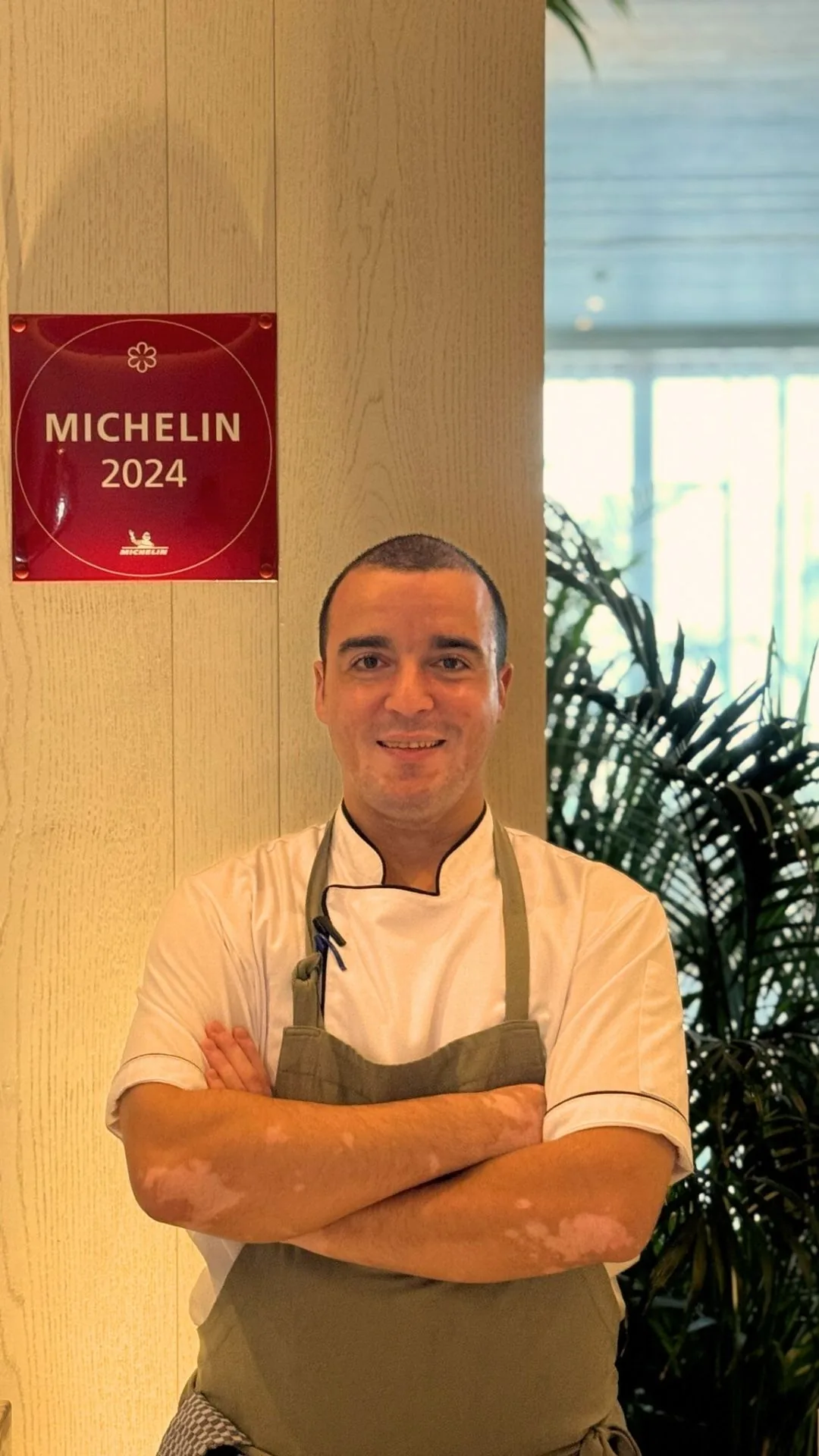
In Michelin terms: as of 2025, Turkey holds 0 three-star, 2 two-star, and 15 one-star restaurants, with 4 Bib Gourmand selections across 171 total listed establishments — a presence that is expanding and giving Turkish cuisine's distinct international voice more resonance every year.
A Chef's Perspective: Migration and Technique
When I roll out dough, I think: this movement is muscle memory. The echo of a gesture repeated across centuries in Central Asian steppes, Anatolian stone ovens, and Balkan kitchens.
When I place pastirma on a plate, I'm not only adding an ingredient — I'm including a horseback warrior's journey. When I fold a sarma, I speak a shared table language that migration carried from Anatolia to the Balkans. This understanding gives my menu design depth: when technique is deeply rooted, food transcends pure flavor and becomes a carrier of meaning.
The story of Turkish culinary migration is one of the world's least-told but most-felt gastronomic epics. Owning this heritage — both honoring it and carrying it forward — is among the greatest responsibilities we hold as chefs.