Character of the Soil: Anatolian Ingredients
What makes a cuisine unique worldwide isn't just its techniques, but its building blocks. Unlike classical French kitchens relying on complex roux matrices, Turkish cuisine relies on the concentrated, intrinsic flavors of its pantry.
1. Salça (Sun-Dried Umami Concentrate)
What stocks (fonds) are to French dining, "Salça" (sun-dried tomato or pepper paste) is to Turkish cuisine. True gastronomy relies not on industrial boiling, but on spreading pureed peppers under the hot Anatolian sun for days to naturally evaporate and caramelize, resulting in a fierce umami bomb. It provides matchless depth to marinades and stews.
2. Pomegranate Molasses (The Regional Balsamic)
Anatolia's answer to aged Balsamic is "Nar Ekşisi." Produced particularly in the Antakya region by slow-boiling tart pomegranate juice for hours until it reduces to a thick, dark, sweet-and-sour syrup. In fine dining, it is used for vinaigrette balancing, meat glazing (especially lamb), and adding contrast acidity to desserts.
3. Sumac (Earthy Citrus)
A deeply reddish-purple berry used extensively as a spice, sumac provides sharp citrus acidity without the liquid volume of lemon juice. Using it to break down the harshness of raw red onions or cutting the fat of grilled meats is a masterpiece of culinary chemistry. Modern kitchens now extract sumac oils for transparent, high-acidity infusions.
4. Tarhana (The First Instant Soup)
A miracle of ancient fermentation. Fermenting yogurt, vegetables, and flour, then sun-drying the mixture creates Tarhana. Present-day avant-garde chefs are utilizing its probiotic umami profile not just for soup, but as texturizing dusts, meat crusts, or thickening agents in complex sauces.
5. Regional Olive Oils
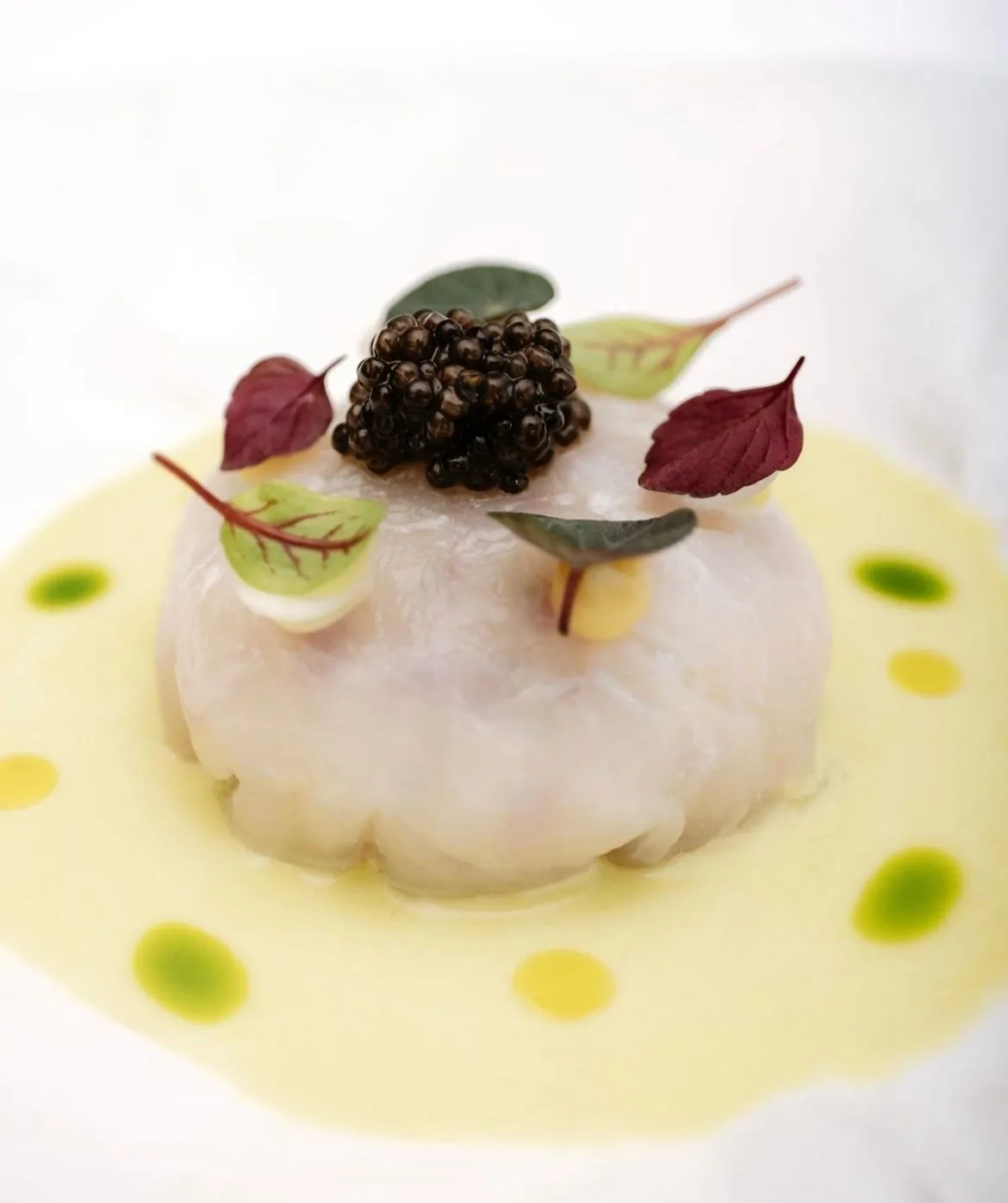
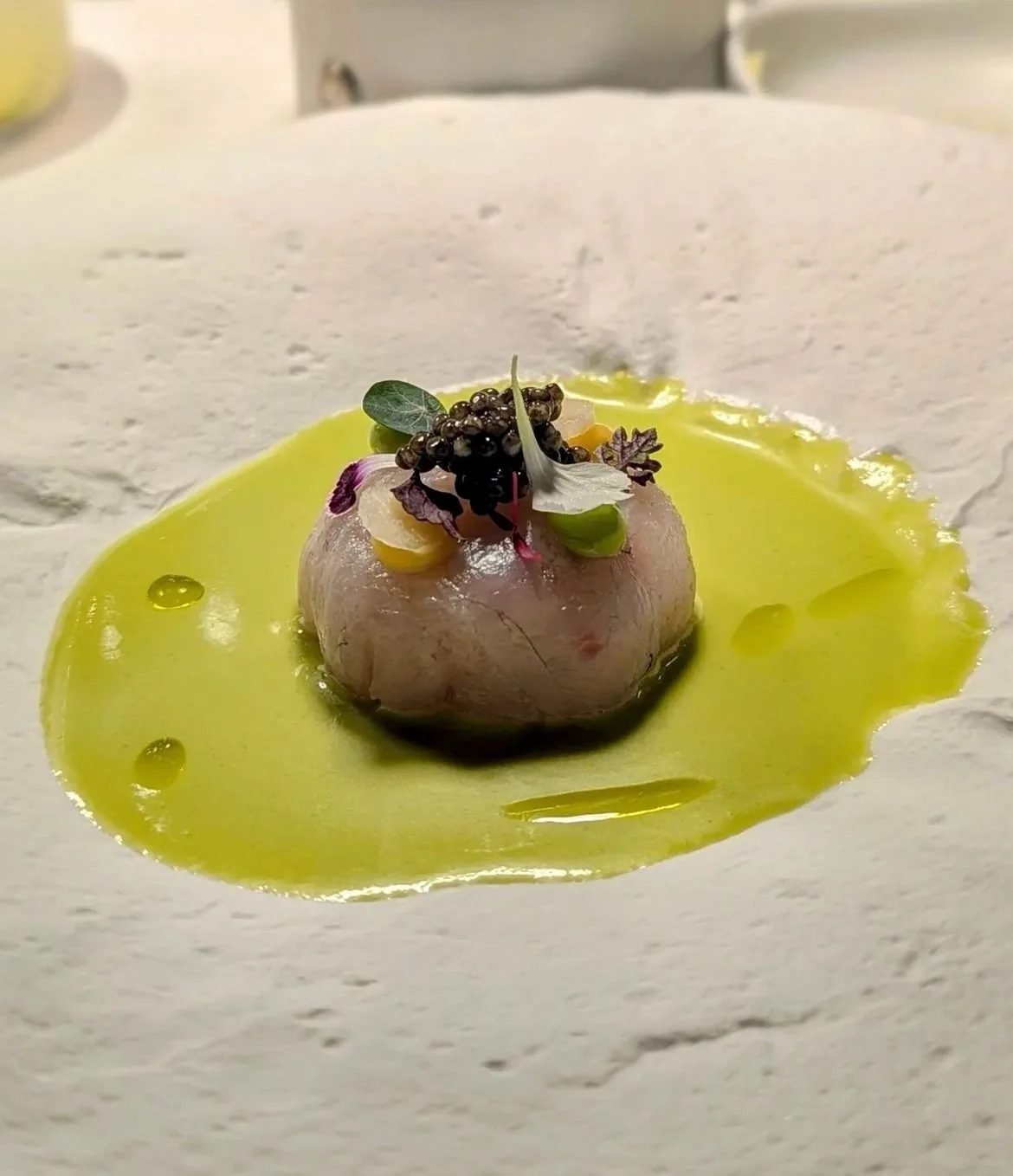
The profiles of Ayvalık, Akhisar, and Memecik olives are wildly different. A chef's decision to finish a seafood crudo with a grassy, mild Ayvalık oil instead of a robust, peppery Memecik oil separates good kitchens from Michelin-starred ones.
6. The Discipline of Spices and Drying
Much of the Anatolian pantry was built around drying, preserving, and fermenting ingredients for longevity. Isot, Aleppo pepper, dried mint, tarragon, and thyme are not just finishing touches. They actively control fat balance, aromatic lift, and heat perception on the plate.
- Isot: Builds a deep, smoky backbone for meat and offal interpretations.
- Dried mint: Expands freshness in yogurt-led or butter-rich dishes.
- Thyme and zahter: Create a signature aromatic layer in grill-driven menus.
The common mistake in professional kitchens is to treat spices as garnish. The stronger approach is to use them across marinades, infusions, glazes, and final seasoning at different concentrations.
7. Using the Anatolian Pantry in Menu Engineering
These ingredients are not only cultural identifiers. They are also commercially powerful menu tools. In consulting, one of my most frequent recommendations is to stop chasing imported luxury products and instead turn high-character Anatolian ingredients into signature building blocks.
A strong pomegranate molasses, for example, can work in cold starters, meat glazes, and dessert contrast. The same is true of pepper paste, which can create flavor continuity across multiple proteins while simplifying purchasing and stock control. That has direct impact on both food cost and brand memory.
8. A Purchasing Checklist for Serious Kitchens
When working with Anatolian ingredients, the name of the product is never enough. The source and processing method matter just as much. Every buyer or chef should ask:
- 1Does the product come from a cooperative or an industrial blend?
- 2Is color, salinity, and concentration measured across batches?
- 3Which region and season does the product come from?
- 4Does the team know the product in tasting memory, not just in a written recipe?
Without this checklist, menus become inconsistent. This is where the real separation begins between a good restaurant and a great one.
Conclusion
No chef practicing modern Turkish cuisine can compromise on these cornerstones. Procuring ancestral-quality products directly from local cooperatives and farmers is what truly elevates the menu.
For regions, core traits and how a Turkish table is laid, see our guide to Turkish cuisine.