Why menu language is a commercial decision, not a decorative one
In modern Turkish cuisine, the most expensive break often happens not in the kitchen, but in the menu line itself. If the owner, chef, and floor team cannot describe the same dish in the same language, hesitation appears at the moment of purchase. This article is for operators building Neo-Anatolian menus, hotels refining local dining offers, and teams shaping high-end event menus.
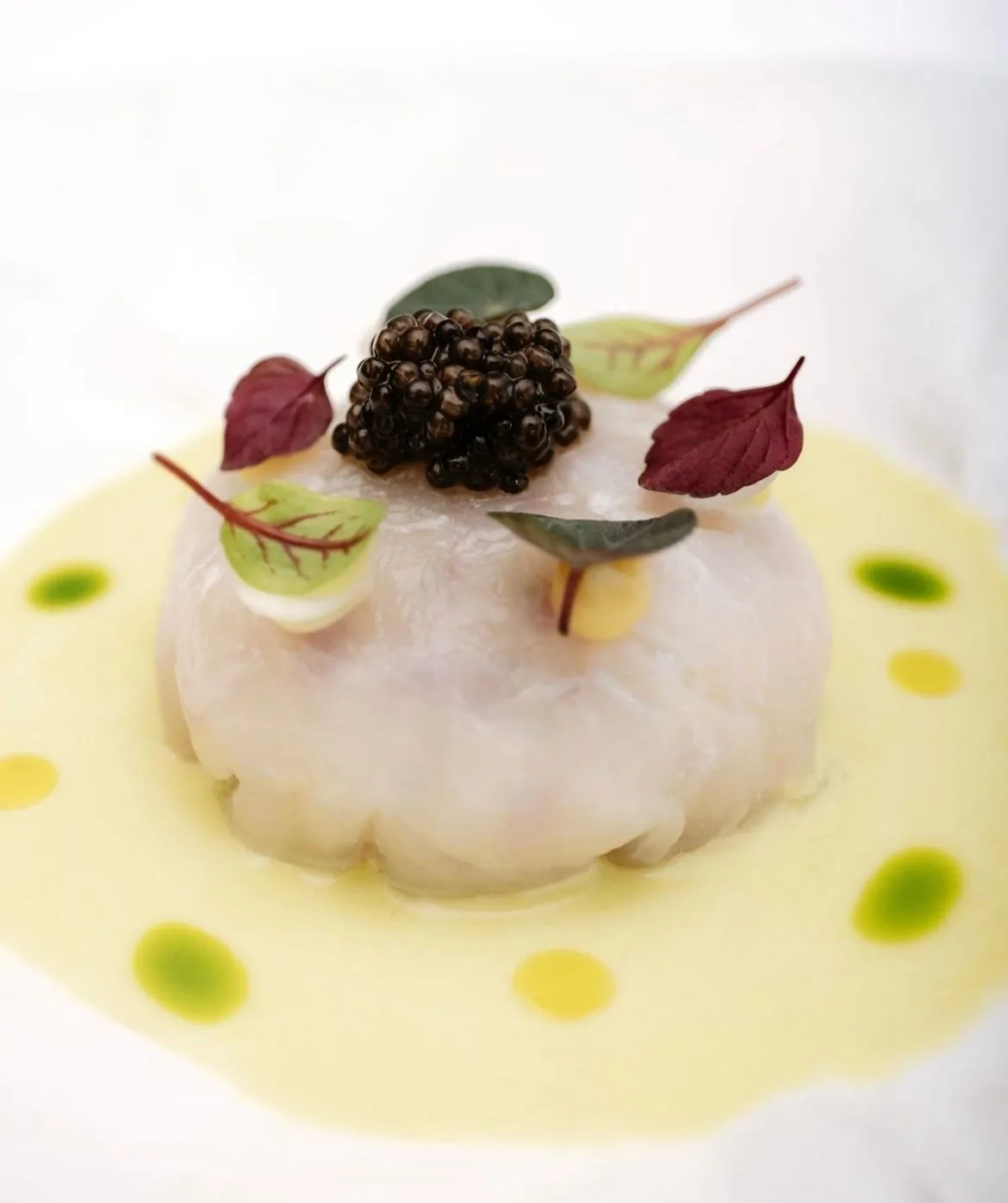
The point is not simply giving the dish a beautiful name. Strong menu language has to preserve local flavor memory while clearly telling an international guest what the plate actually promises. That is why defining modern Turkish cuisine and the menu design and development service belong in the same conversation.
Why three different readings of the same plate create friction
| Problem type | What a local guest feels | What an international guest understands | Commercial risk |
|---|---|---|---|
| Only a regional name is used | The memory is present, but the level of the dish may stay unclear | The guest has to guess what the plate is | Confidence and conversion drop |
| Only technical English is used | Emotional familiarity disappears | Technique is visible but cultural meaning is weak | The menu feels cold and artificial |
| The story is too long | Decision-making slows down | There is too much information and not enough clarity | Sales and service rhythm weaken |
| The naming is overly creative | The dish itself becomes blurry | It feels exotic rather than understandable | Premium turns into uncertainty |
The goal of a strong line is not mystery. It is trust. The Anatomy of Anatolia article strengthens product memory; menu language determines how that memory is sold.
Which four parts create a strong menu line
A healthy modern Turkish menu line usually combines four parts:
- 1Flavor memory: a recognizable emotional anchor remains visible.
- 2Technique or format: the interpretation is signaled briefly.
- 3Source or character element: a regional ingredient, sauce, or cooking logic is chosen selectively.
- 4Readable density: the line carries meaning without turning into catalog copy.
The best line does not hide behind clever wording. It lets the guest understand first and become intrigued second. This matters in event menus too, which is why special event design often has to solve the printed menu language and the service briefing together.
The most common menu-language mistakes
The first mistake is assuming a Turkish product looks premium only when described through imported terminology. The second is leaving every local word unexplained. The third is writing lines too complex for the service team to carry at the table. The fourth is treating every plate like a history lecture.
The strongest menus keep the line concise and let the deeper story continue through the service team. The guest should understand the dish immediately and discover the second layer only when needed. Without that balance, the menu feels too foreign for locals and too opaque for international guests.
Why menu language and service briefing should live in the same file
If the menu says one thing and the floor team says another, the experience breaks. In modern Turkish cuisine, narrative is part of the plate. That means the chef, floor team, reservations side, and event-sales side should all work from the same vocabulary before launch or during a menu refresh.
That is why the signature-menu guide built from Anatolian ingredients and the guide to adapting Ottoman and Anatolian table culture for modern events sit naturally beside this article.
Conclusion
In modern Turkish cuisine, strong menu language uses the past as a reference system rather than decoration. It does not hide the plate. It opens it in the right measure. If the guest feels confidence while ordering and connection while dining, the line is doing its job.