Neo-Anatolian: Innovation Born from the Ashes of the Past
One of the most exciting developments in global gastronomy over the last decade is the Neo-Anatolian movement. The arrival of the Michelin Guide to Turkey validated this movement on the international stage. But what exactly is "Modern Turkish Cuisine"? Is it just shrinking the size of a kebab, or is it a philosophical transformation?
Respecting the Roots, Embracing Modernity
The golden rule of Modern Turkish cuisine is: Never betray the memory of flavor.
If recreating an "İskender" or "Karnıyarık" (stuffed eggplant), the nostalgic flavor profile must remain intact. However, technique must evolve. The Neo-Anatolia movement takes Grandma's instinctual methods (slow cooking, fermentation) and stabilizes them with scientific precision.
Elevating Street Food to Fine Dining
Kokoreç, midye dolma, simit... These street foods hold a deep place in the Turkish soul. Visionary chefs are now executing them with Michelin-star techniques.
- Kokoreç (spiced offal) is oven-roasted, sliced paper-thin, and served on a bed of silky almond cream.
- The rustic "Fish Sandwich" (Balık Ekmek) transforms into an avant-garde hors d'oeuvre with crispy yufka flutes and citrus foams.
Shrinking Portions, Deepening Aromas
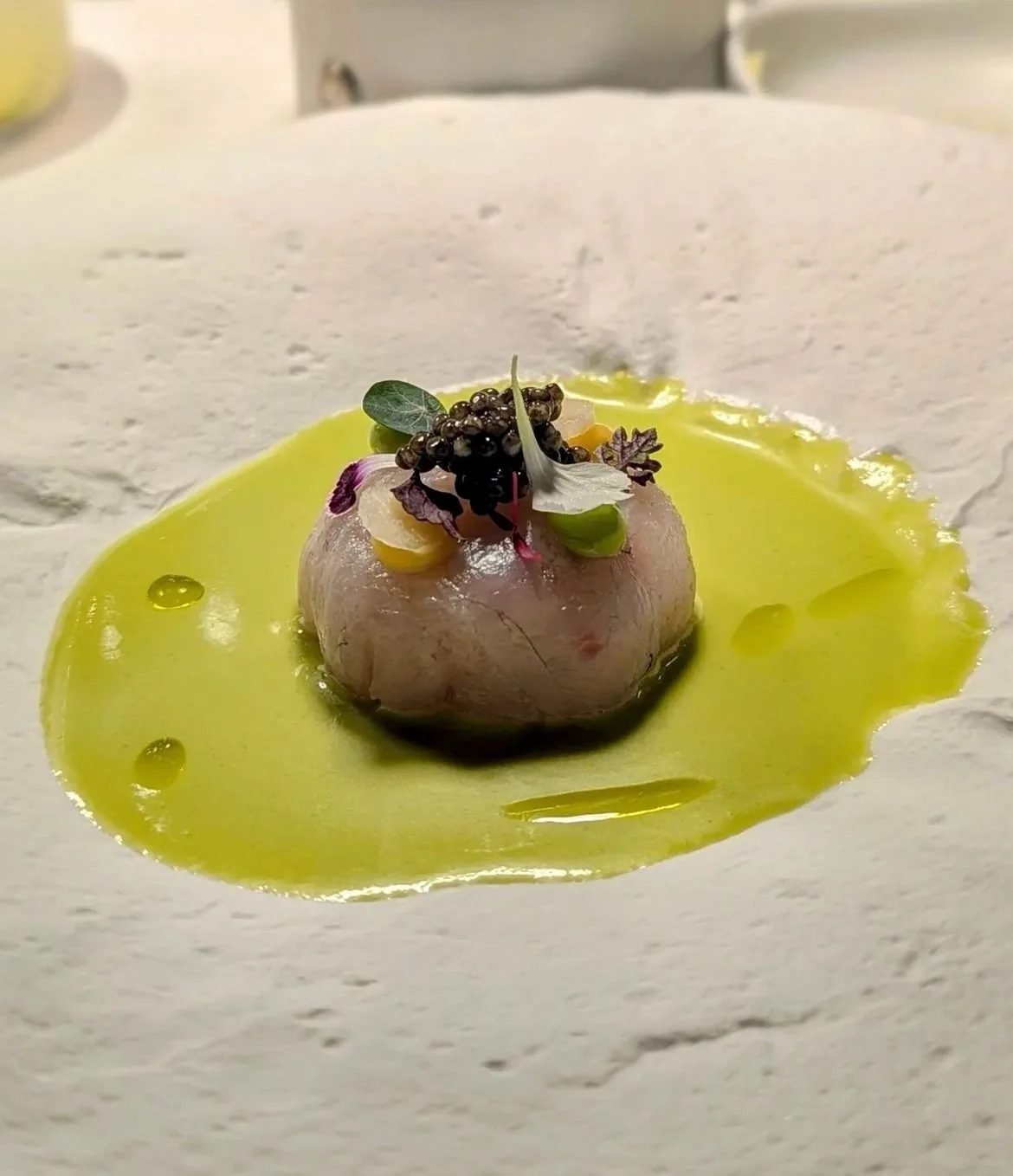
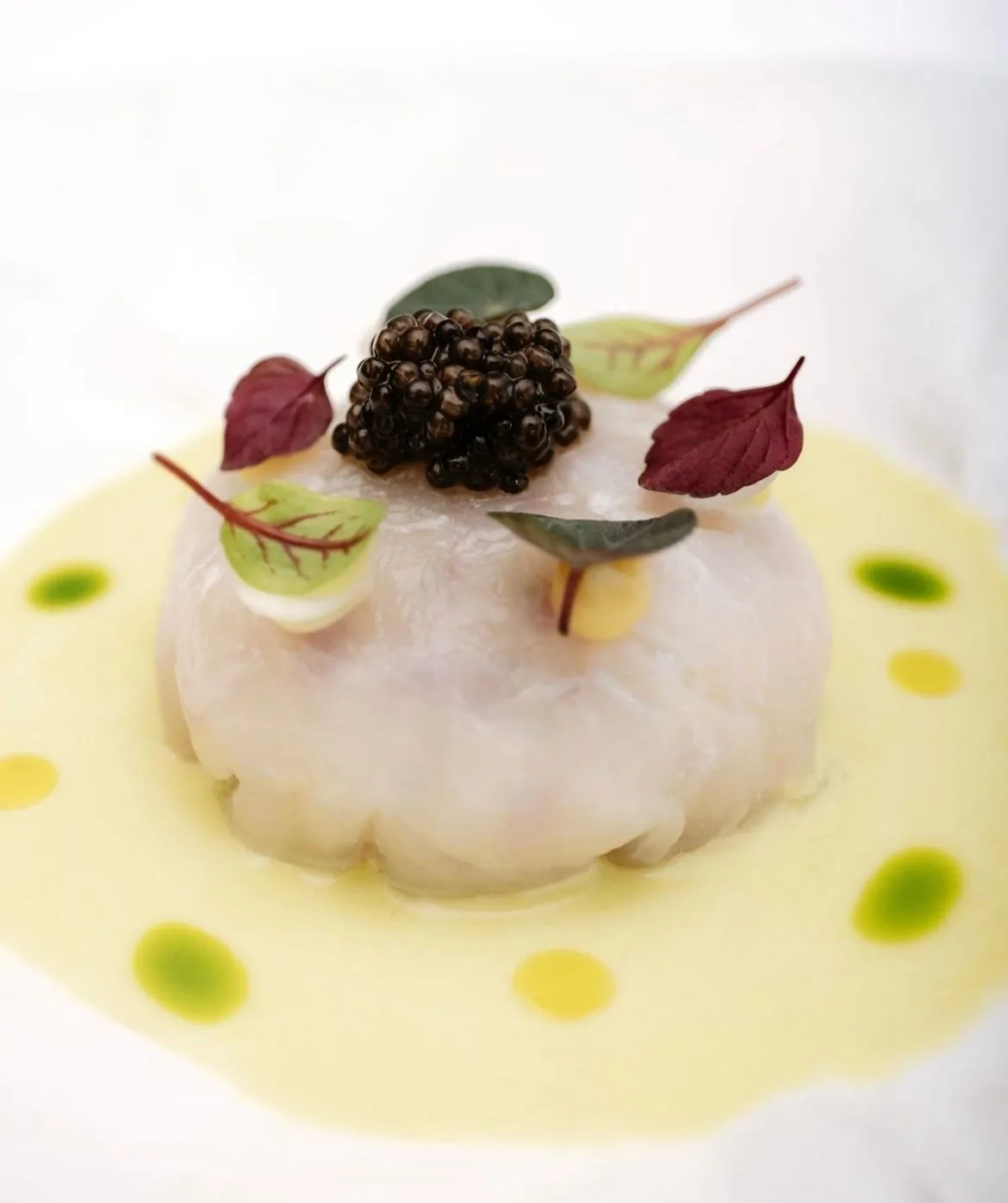
In traditional Anatolian dining, abundance is key (tables laden with mezes). Fine dining relies on multi-course tasting menus. The greatest challenge for a modern Turkish chef is concentrating the joy of a massive communal platter into a three-bite plate. This is achieved via advanced extraction, distilled vegetable waters, and extreme bone reductions replacing classic demi-glace.
The Hyper-Local Paradigm
For modern Turkish restaurants, relying on imported asparagus or beluga caviar is seen as a lack of vision. True luxury is processing Kastamonu Einkorn wheat (Siyez), aged Kars Gruyère, and Aegean samphire using tier-one kitchen techniques.
Modernization in Consulting Projects
The biggest dilemma owners face during menu engineering is "how to modernize without alienating locals?" The solution is carrying the presentation to a minimalist modern dimension while utilizing advanced culinary engineering (sous-vide, low temp controlled ovens) in the background. Generating a dish that looks 21st century but tastes like an Anatolian village from the 16th century is our ultimate expertise.
Menu Language and Storytelling
Modern Turkish cuisine must be translated correctly not only in the kitchen, but also on the menu. Expressions like "keşkek foam" or "isot glaze" may sound creative, but if the guest cannot immediately understand the emotional reference point of the plate, the story remains incomplete.
The strongest modern menus combine three elements:
- 1Familiarity: The guest understands the cultural memory behind the plate.
- 2Curiosity: Technique and presentation bring contemporary energy to the table.
- 3Clarity: The dish remains legible without requiring a paragraph of explanation.
When menu language fails, the restaurant feels too foreign for local guests and too opaque for international guests. The real finesse of the Neo-Anatolian approach is building an elegant bridge between those extremes.
Service Design and Pairing Logic
Modern Turkish cuisine also demands a different service rhythm. Instead of heavy, classical sequencing, it benefits from cleaner finishes, controlled portions, and transitions that refresh the palate between richer moments.
When building wine or non-alcoholic pairings, several rules stand out:
- Sumac, pomegranate molasses, and fermented products call for higher-acidity pairings.
- Butter-rich and yogurt-led dishes need textural contrast from the beverage side.
- Spice-driven Anatolian aromas should align with the drink, not compete against it.
That is why briefing and service literacy matter as much as kitchen execution. The plate can be technically excellent, but if the narrative and pacing collapse, the guest experience still feels unfinished.
Three Common Modernization Mistakes
In restaurant projects, I repeatedly see the same three errors:
- 1Shrinking a traditional dish and calling it fine dining: Smaller portions alone are not modernization.
- 2Using imported luxury products to simulate prestige: Real differentiation comes from elevating local ingredients.
- 3Ignoring operational reality: If a dish cannot survive a busy service, creativity alone will not save it.
If Modern Turkish cuisine is going to work commercially, it must do more than look strong on Instagram. It has to perform consistently during a full service.
Conclusion
Neo-Anatolian cuisine is no longer just a passing trend. It has become a strategic language for ambitious restaurants. The chefs and operators who can merge local memory with contemporary technique are the ones capable of appealing to international guides and local loyalty at the same time. The real challenge is not using the past as decoration, but using it as a disciplined source system.
For regions, core traits and how a Turkish table is laid, see our guide to Turkish cuisine.