
What Is a Chef's Table?
A chef's table is a private experience format where guests leave the main dining room and sit inside the kitchen or right next to the pass, usually served through a multi-course tasting menu. The core difference from a standard table is that the distance between chef and guest effectively disappears — the guest sees directly how each plate is built, how the team works, and often hears the story behind each course from the chef personally.
Chef's Table vs. a Regular Table
| Element | Regular Table | Chef's Table |
|---|---|---|
| Location | Main dining room | Inside the kitchen or next to the pass |
| Interaction with the chef | Limited or none | Direct, course by course |
| Menu format | À la carte or standard tasting menu | Usually customized, multi-course |
| Guest count | Variable | Usually a small, closed group |
| Focus of the experience | The food | Food + kitchen operation + narrative |
What Makes a Chef's Table Valuable?
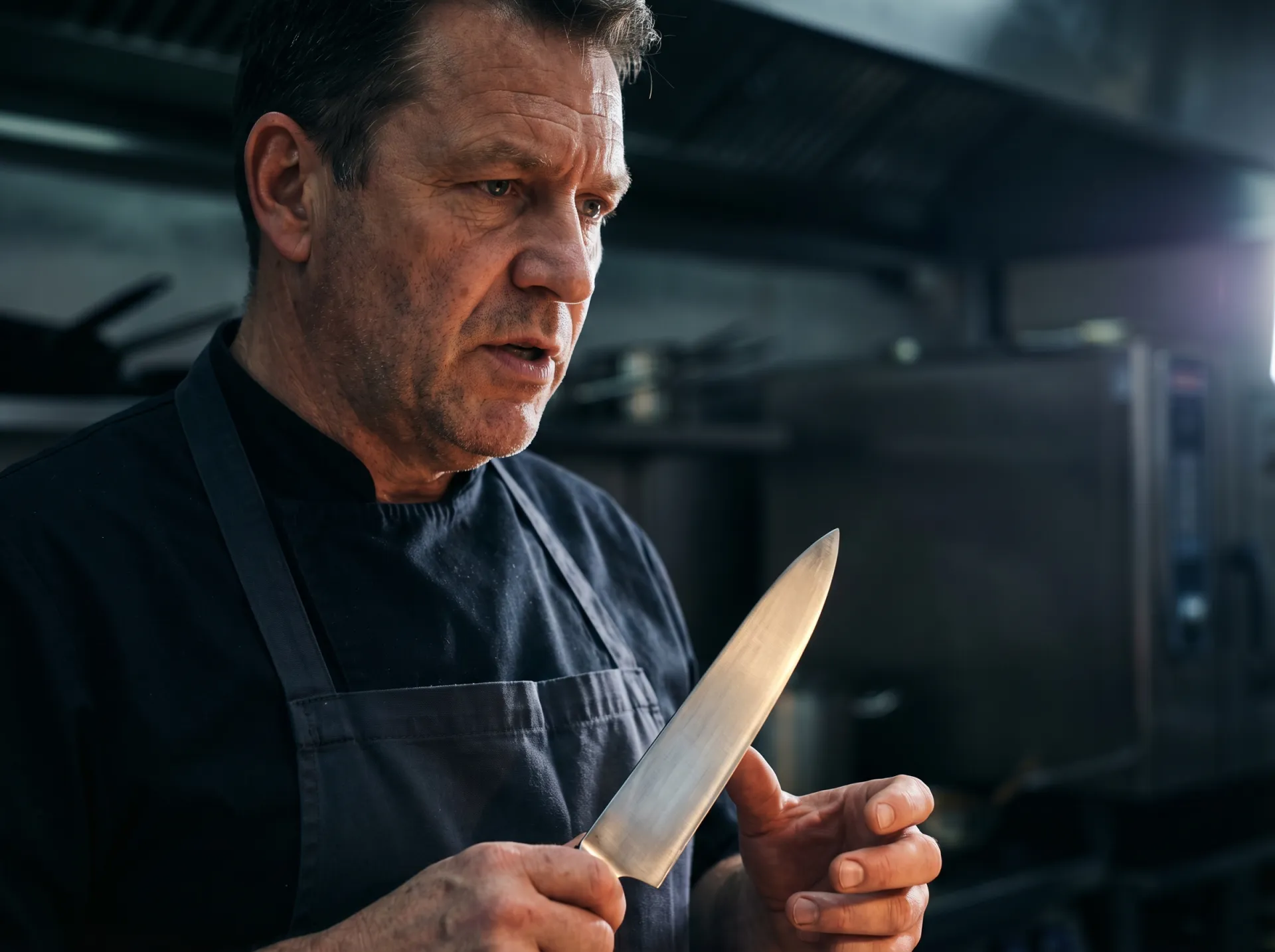
What separates a chef's table experience from an ordinary meal isn't just location. The dialogue the chef builds with guests, narrating the decision behind each plate — ingredient choice, technique, inspiration — and transparently showing the team's working discipline turns the meal into a performance. This format delivers its best result in kitchens where the real criteria of fine dining — consistency, service rhythm, ingredient transparency — are already solid.
How Is a Chef's Table Built for a Private Event?
Outside a restaurant, in private events hosted in a villa or residence, the chef's table format is reinterpreted by bringing the kitchen into the event space: the chef works from a visible open kitchen or island setup and narrates the menu live. This format performs best for small, intimate gatherings (6-12 guests) and is a natural extension of the private home fine dining service.
Conclusion
A chef's table turns cooking into a craft that's witnessed. Done right, it's the most personal fine dining format there is — one that leaves no distance from the guest and turns the kitchen's discipline into a narrative.