What it really means to carry table culture into a modern event
Adapting Ottoman and Anatolian table culture for a modern event is not about producing a historical image or filling the table with copper props. The real task is translating sharing rhythm, hosting generosity, service sequence, and table narrative into a format that can actually live inside a contemporary venue. This article is for teams planning heritage-led private dinners, brand events, and high-end boutique occasions.
Weak design creates a folkloric feeling. Strong design creates an experience nourished by the past but functional in the present. The Heritage of Ottoman Palace Cuisine provides the historical ground; special event design determines how that ground survives on site.
Which elements of table culture can truly be translated today
| Heritage principle | Modern translation | What breaks when it is overused |
|---|---|---|
| Generosity | Layered waves of service instead of overloading the table at once | The table becomes crowded and temperature control disappears |
| Sharing | Selected center-table plates or a controlled long-table format | Turning everything into sharing weakens service pace |
| Narrative | Brief, well-trained service language | Long explanations slow the event rhythm |
| Rhythm | Deliberate progression between cold and warm, light and intense | The event feels flat and tiring |
| Hosting | Invisible coordination between host, floor team, and kitchen | If roles are unclear, the experience feels fragmented |
This shows that table culture is not a decoration package. It is a logic of flow. Any team trying to carry the past forward has to translate behavior before form.
Which service format works best for which kind of event
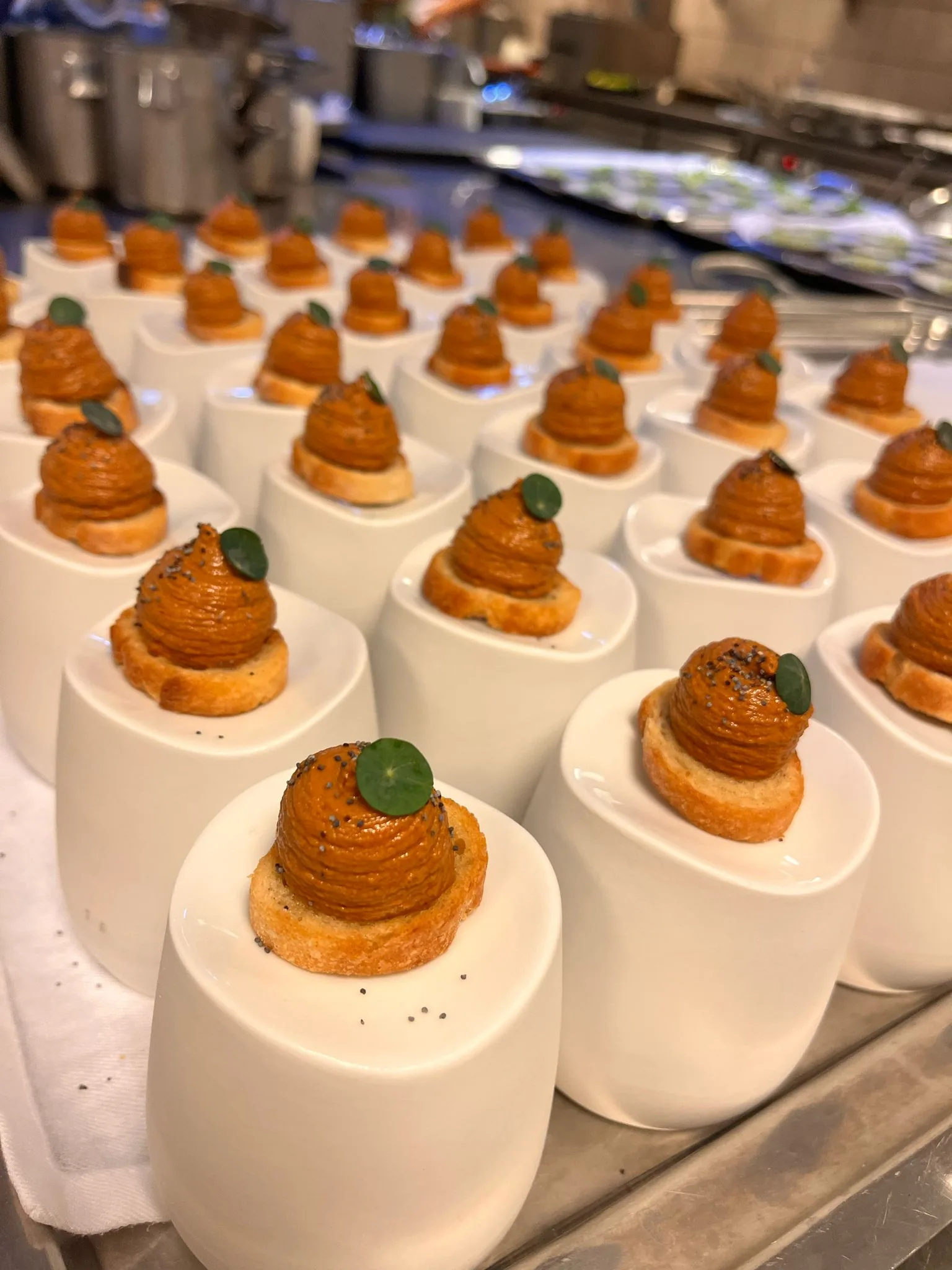
Not every heritage-led event should run through the same service model. Smaller ceremonial dinners may perform best with seated plated service. Long-table evenings seeking warmer hospitality may benefit from selected shared plates. Brand events with movement often work better through short-plate sequences and tightly controlled live moments.
The decision should be made through guest count, real kitchen capacity, service walk, and the level of host visibility expected in the room. That is why the modern Turkish menu-language guide and the signature-menu guide built from Anatolian ingredients should sit beside this article. The language of the event cannot contradict the language of the plate.
The most expensive mistake is treating folklore as a format
The most common mistake is building the event around visual cliché instead of cultural depth. Excess costumes, unnecessary props, decorative copperware with no function, too many small plates at once, or promises of hot service the venue cannot carry are all warning signs.
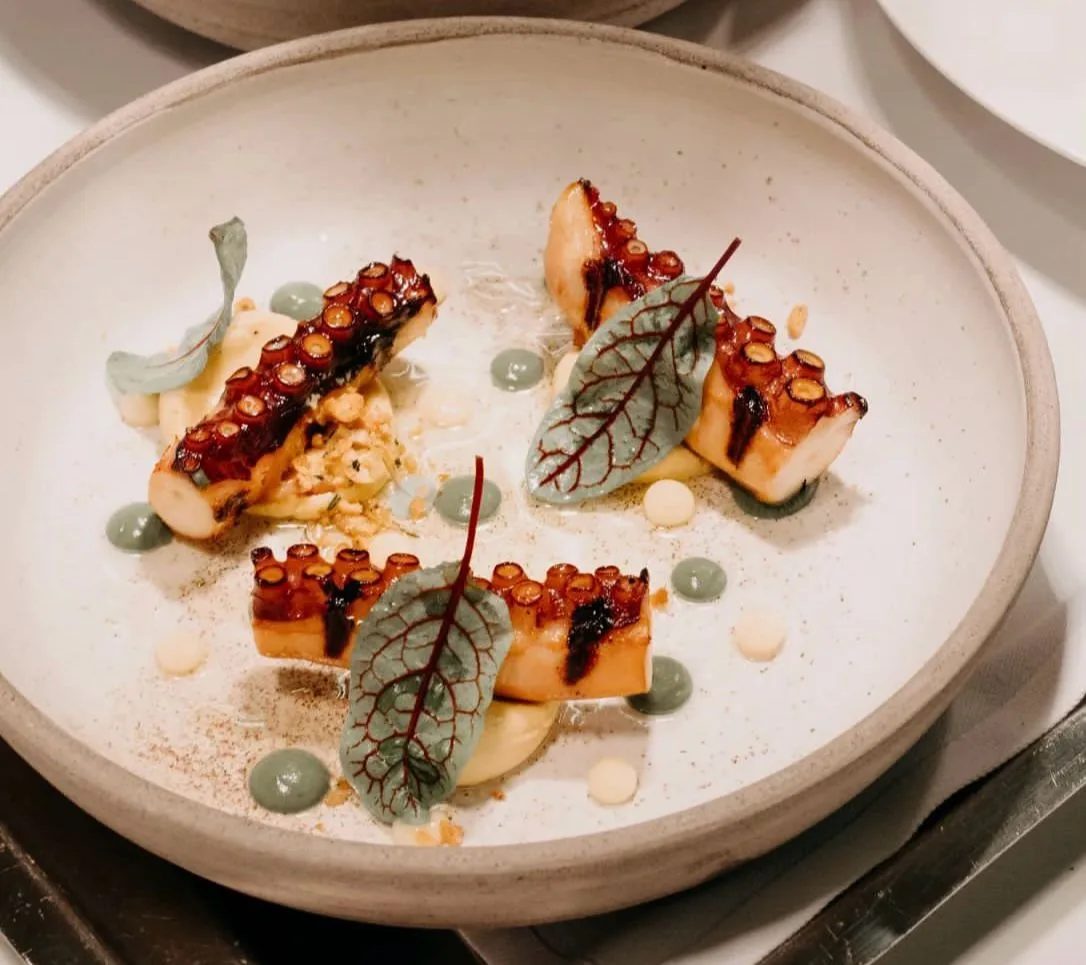
Premium heritage experiences can feel strong without resembling a museum set. The guest should sense a reference to the past while also seeing the clean control of a contemporary service operation. Historical credibility only holds when kitchen and floor carry the same calm discipline.
How menu and service briefing should be written together
A healthy brief should state why the event is heritage-led, which products or rituals remain central, and which ones are being deliberately left out. Trying to carry everything usually weakens the result. The stronger approach is selecting three or four high-value references and defining their role in sequence, pacing, and table behavior.
That is why kitchen, floor, and creative direction should be read inside the same file during event planning. If the guest feels generosity, rhythm, and controlled surprise, heritage has been translated correctly.
Conclusion
Ottoman and Anatolian table culture only creates value today when translated into a carryable format. The task is not copying the past, but making it work for the present guest. A strong heritage-led event is not folklore. It is measured, credible hosting design.