What drives consulting results
Most failures are not caused by lack of expertise. They are caused by weak scope definition. Broad goals without operational boundaries collapse during implementation. Consulting impact starts with a clear problem definition and a measurable framework.
Five practical tips
1. Use week one for diagnosis only
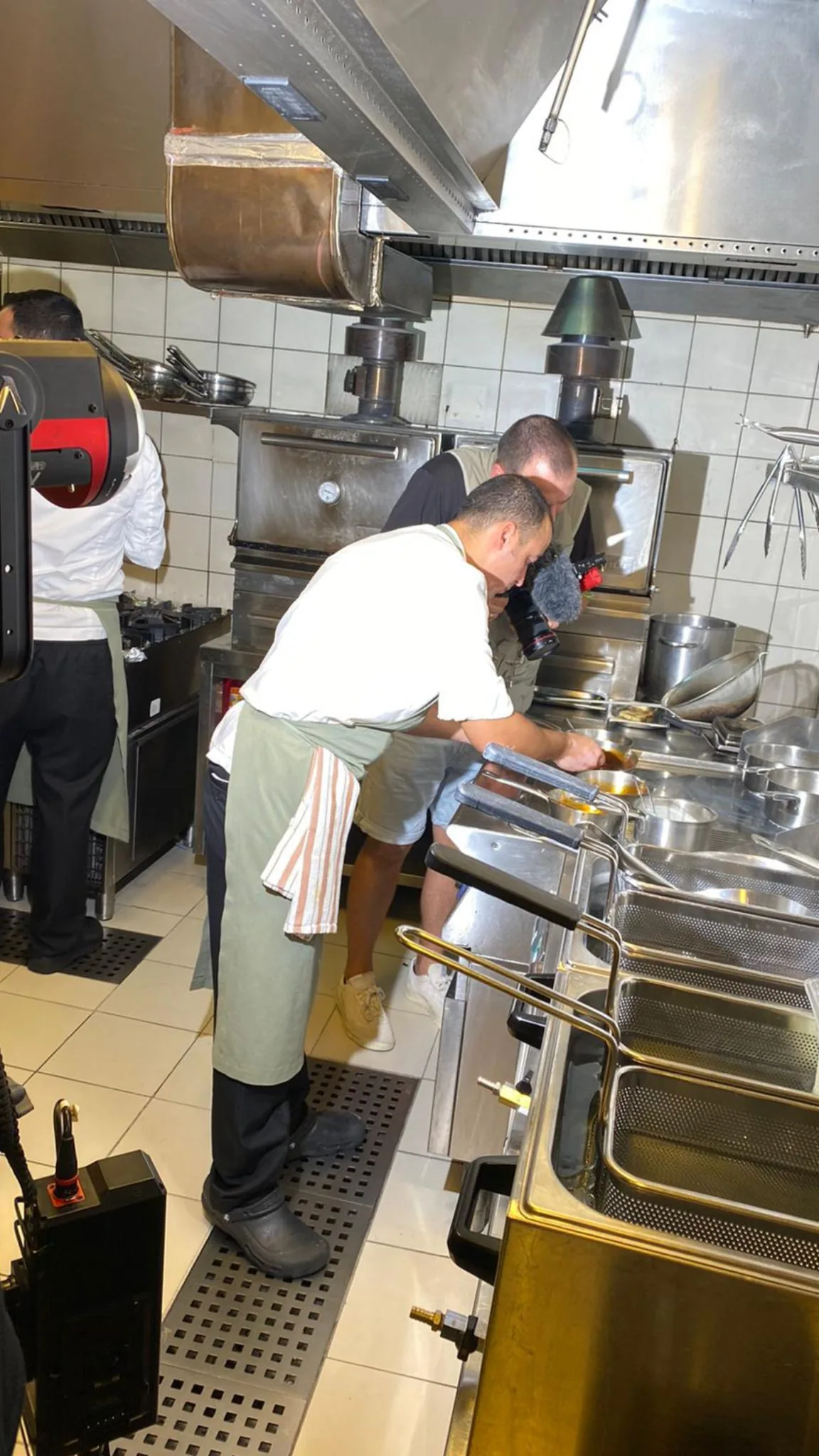
In your first week as a consultant, focus on understanding the current state. Watch kitchen flow, measure service rhythm, conduct short interviews with the team. Imposing early solutions leads to fixing the wrong things. A correct diagnosis accelerates everything that follows.
2. Limit the operating dashboard to three core KPIs
Tracking too many metrics is as dangerous as tracking none. In the first 30 days, focus on food-cost variance, median ticket time, and recurring-theme ratio in guest feedback — metrics directly tied to operational output.
3. Keep a fixed weekly cadence with team leads
Regular rhythm is the most invisible but most effective component of consulting. Meet every week, same day, same time, same agenda. Decision-making speed is directly tied to rhythm.
4. Convert every decision into written action ownership
Decisions made in meetings are forgotten by the next day if not documented. Define an owner, a date, and a measurable output for every decision. The written plan is the bridge between consulting and operations.
5. Run a 30-day outcome review cycle
At the end of the first month, evaluate KPI movement, team adaptation, and scope deviations together. This review is the most critical moment for correcting the project's trajectory.
Which KPIs should come first?
- Food-cost variance: The percentage difference between target and actual cost. Anything above 3 points requires intervention.
- Median ticket time: Time from order to dispatch. Above 12 minutes directly reduces guest satisfaction.
- Recurring-theme ratio in guest feedback: How often the same negative theme appears in reviews. It signals systemic issues.
Common consulting project mistakes
- 1Scope too broad: "Let's improve everything" is the most common cause of failure.
- 2Team not involved: The consultant proposes, but the team executes. Without involvement, resistance builds.
- 3Decisions made without data: Intuitive decisions reduce consulting value.
- 4Silence when rhythm breaks: When weekly meetings are skipped, the project collapses quickly.
Use this with the restaurant consulting guide and operations improvement service.
Conclusion
Consulting impact accelerates when scope is clear and cadence is protected. Structure creates speed.