Why the format decision comes before the menu
When planning private dining at home, the most important decision is often not the dishes themselves but the format in which they will be served. A plated tasting menu, a sharing table, a cocktail-plus-small-plate flow, or a more relaxed family-style structure can create entirely different outcomes even with similar ingredients. This article is for hosts planning a premium evening for roughly 6 to 24 guests at home, in a villa, or in a private residence.
The wrong format can make even a beautiful menu feel heavy or disjointed. The right format is the structural decision that increases the value of private home fine dining and makes special event design decisions much cleaner.
When the main formats work best
| Format | Best-fit scenario | Strength | Risk |
|---|---|---|---|
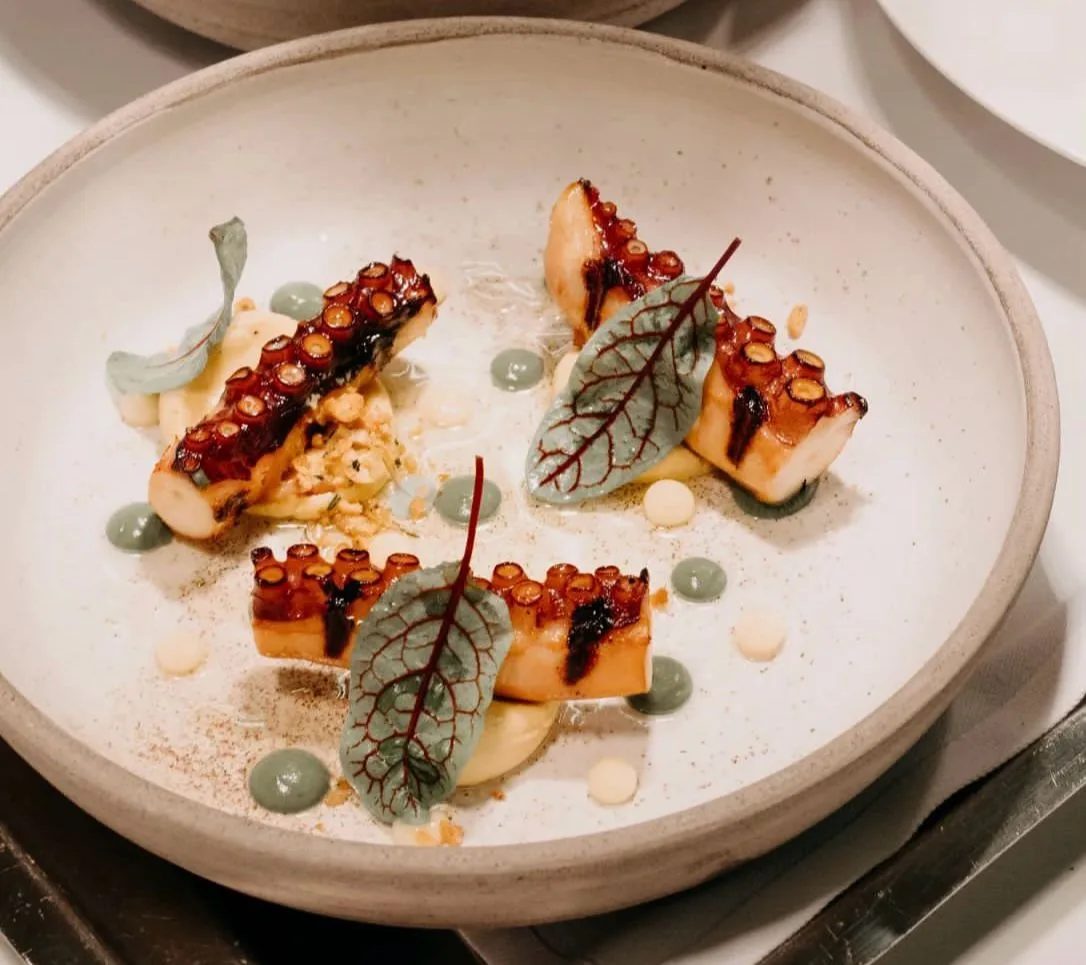
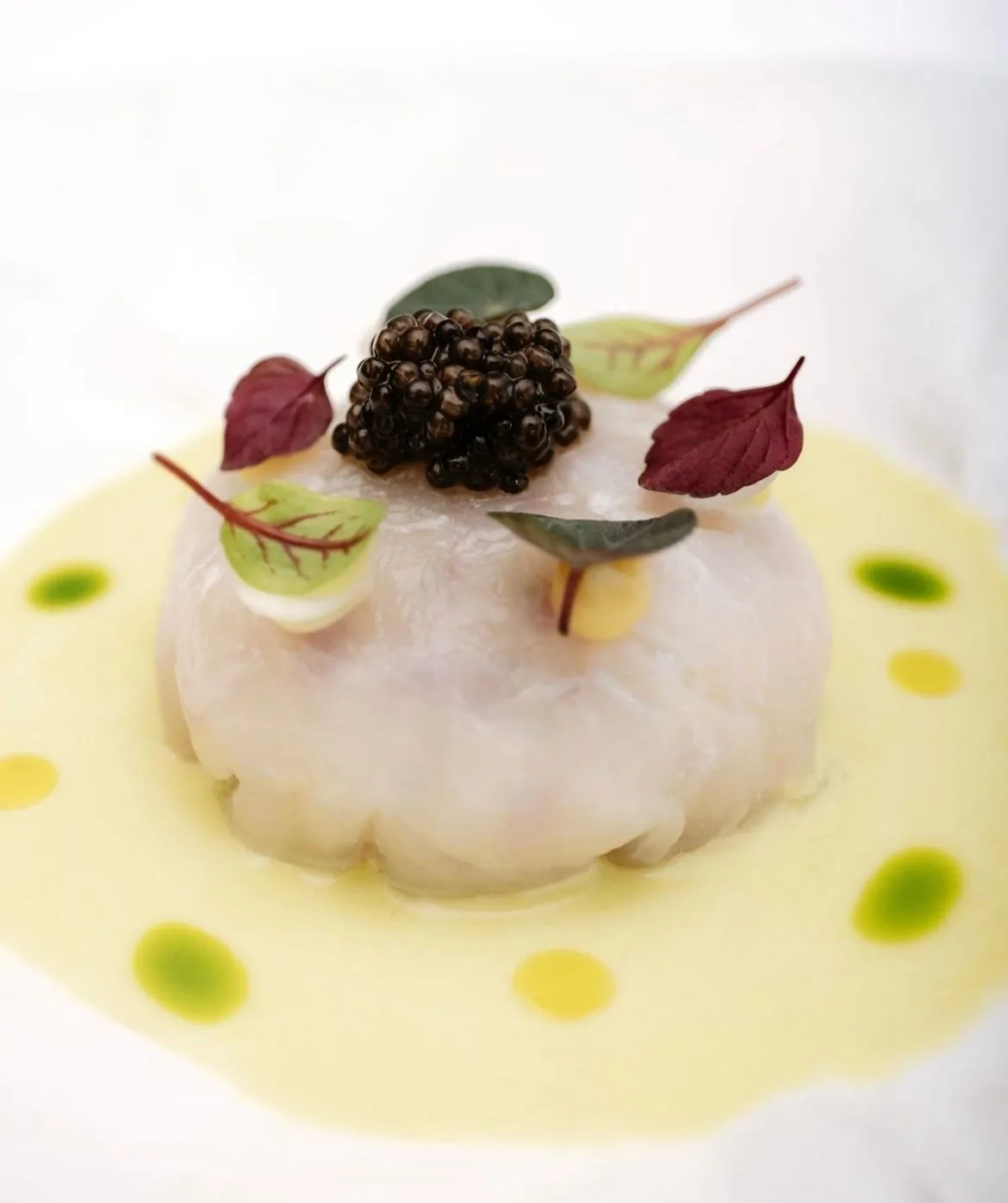
| Plated tasting menu | More ceremonial dinners for 6 to 12 guests | Clear story and controlled pace | If the kitchen is weak, technical promises start to break |
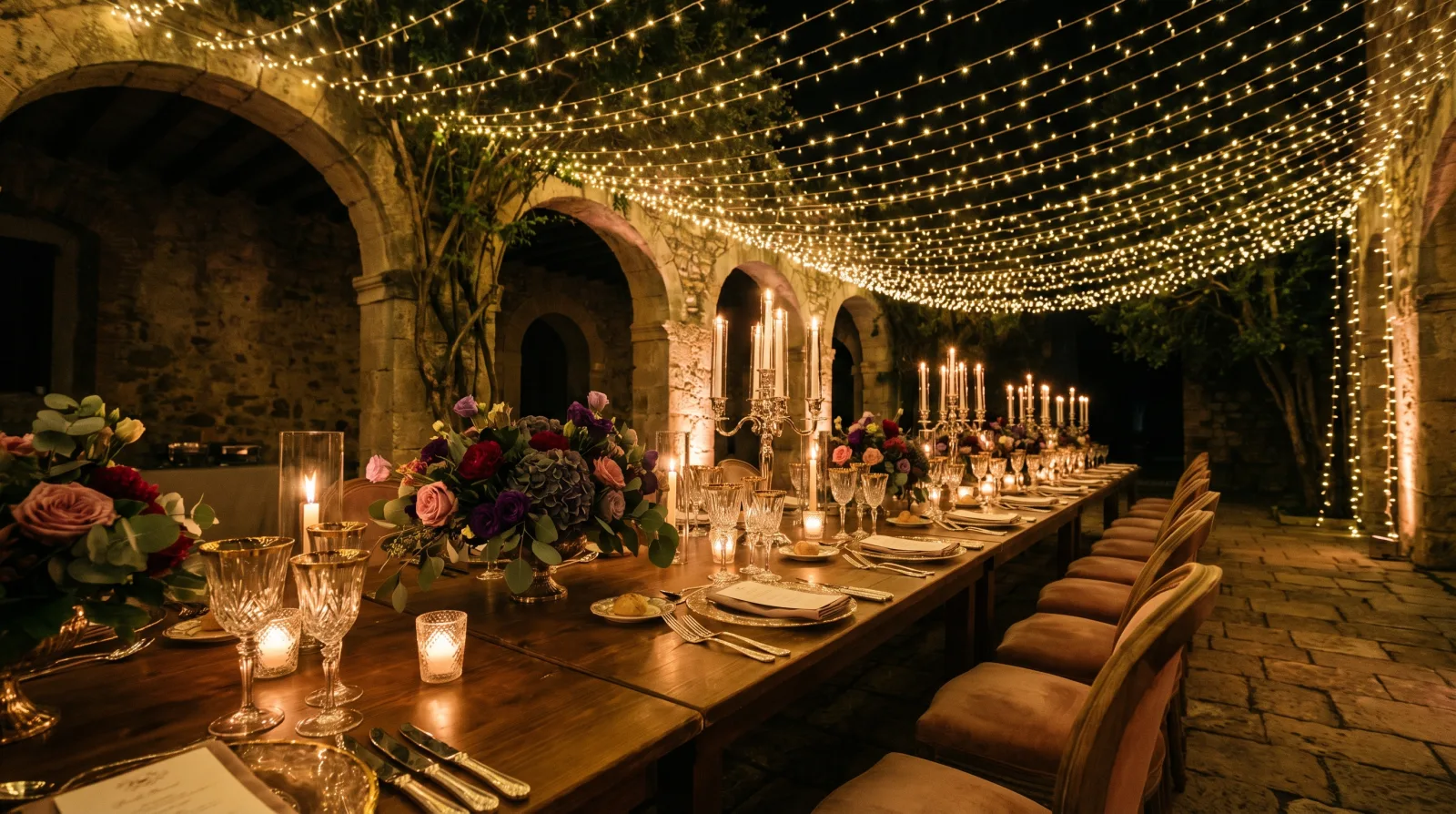
| Sharing table | Warmer, more social, longer-table hosting | Feels generous while keeping a home atmosphere | Temperature and portion control become harder |
| Cocktail plus small-plate flow | More dynamic, semi-standing, or circulating events | Frees up host energy and movement | Requires tighter coordination between kitchen and service |
| Relaxed family-style structure | Intimate or child-inclusive gatherings with longer duration | Reduces pressure and preserves residential comfort | Can lose premium sharpness if left too loose |
How guest count and layout change the answer
Format choice is not only about how many guests there are. It is about how those guests will occupy the space. Ten guests on one long table create one rhythm. The same ten split across multiple zones create another. That is why four variables should be read together:
- 1Will the dinner revolve around one table or multiple focal points?
- 2How far is the kitchen from the main service area?
- 3Will guests stay seated or move around throughout the evening?
- 4Does the host want to remain anchored at the table or circulate freely?
Choosing the menu before clarifying those points is usually backwards. The right order is format first, menu second, service detail third.
What the kitchen can truly support
In many home events, the real limit is not the dining room but the kitchen. Oven space, worktop area, refrigeration, tableware depth, and reset flow all shape the format decision. A refined tasting menu can work beautifully, but only if the kitchen can carry it. Otherwise a cleaner sharing model or short-plate sequence may actually feel more premium because it performs better in the room.
That is why location-focused reads such as the private chef service in Istanbul guide or the villa holiday private chef guide are valuable companion pieces. They show how strongly the venue itself changes the answer.
How visible the host wants to be
This is one of the most overlooked variables. Some hosts want to welcome guests, sit down, and remain fully present at the table. Others want to move across the room and keep the evening more fluid. In the first case, a plated tasting structure may be the more controlled choice. In the second, a cocktail-plus-small-plate or looser sharing flow often works better.
So the format is not only a kitchen decision. It also defines the host's role in the evening. Reading that correctly determines whether the night feels natural or staged.
The most common format mistakes
The costliest mistake is mixing too many formats in one evening. Starting standing, then forcing a plated fine-dining sequence, then moving to sharing plates, and then trying to return to cocktail rhythm usually creates confusion in a home setting. The second mistake is asking the kitchen to carry more technical ambition than it realistically can. The third is building an overly ceremonial structure for a night that should feel warm and relaxed.
If the goal is a calm, refined evening, one format executed cleanly is usually stronger than a hybrid assembled for novelty. Hybrid formats only make sense when the venue, team, and brief can genuinely carry them.
Which articles belong beside this one
The strongest companion pieces on the buying side are what a private event chef actually handles, the private home dining guide, and how the flow of a private celebration dinner should be planned. Together they clarify role, format, and rhythm.
Conclusion
Choosing the right private dining format at home is the structural decision that makes the menu easier afterward. Once guest count, kitchen reality, host behavior, and evening rhythm align, the correct format becomes easier to defend. The wrong format, by contrast, can make even a strong menu work harder than it should.