The Complete Guide to Fine Dining at Your Private Residence
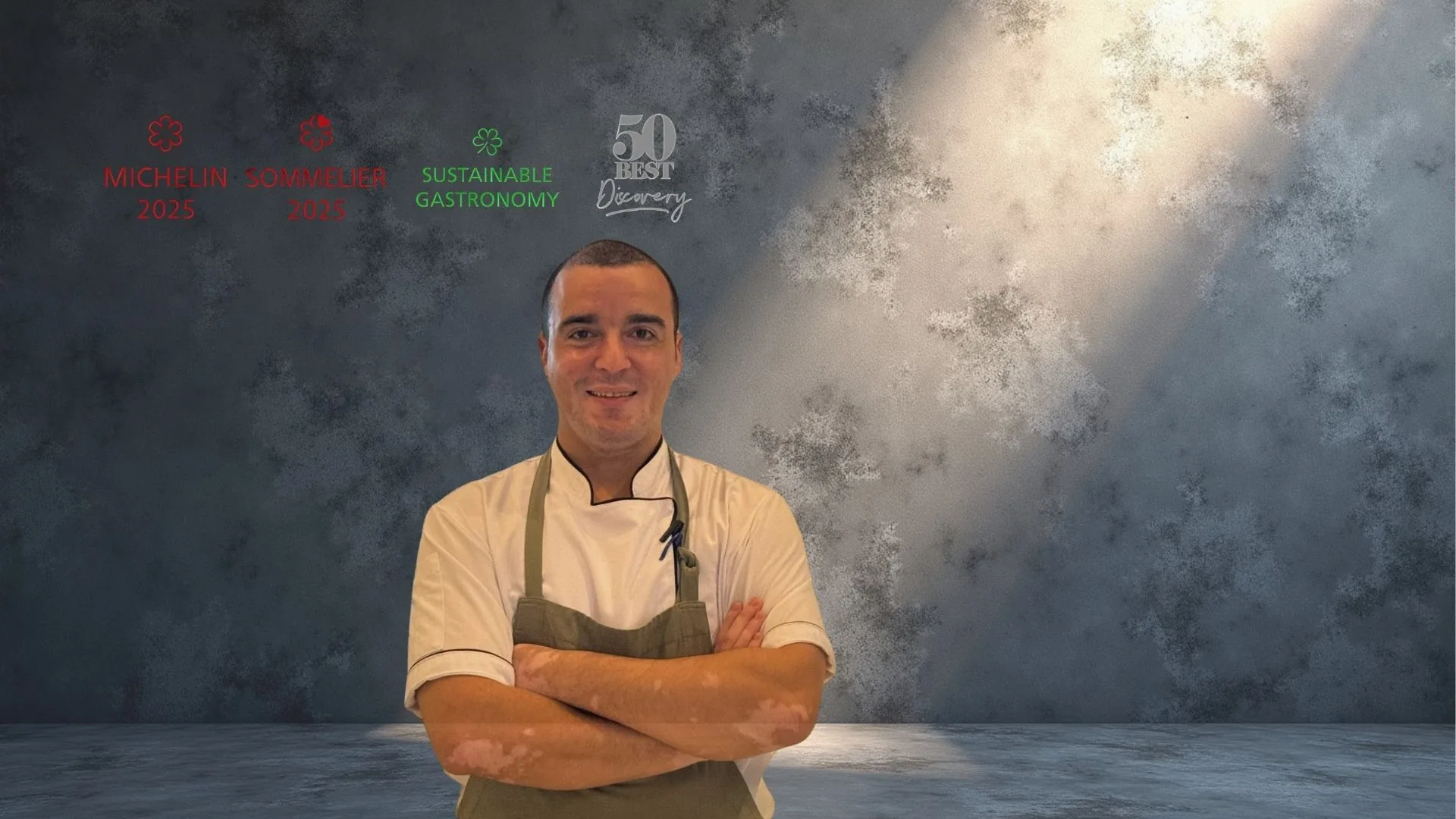
You no longer need to leave your home to experience Michelin-level dining. With a private chef service, your home, villa, or residence can transform into a venue that rivals the world's finest restaurants — for one unforgettable evening. But this transformation requires far more than a casual dinner party. In this guide, I break down every aspect of private home fine dining from the perspective of a chef trained in Michelin-starred kitchens.
What Is a Private Chef Service?
A private chef service means a professional chef comes to your venue, designs the menu, sources the ingredients, prepares every course, and manages the service. The difference from a restaurant is total: the experience is built entirely around you and your guests.
This format is no longer exclusive to the ultra-luxury segment. It is increasingly requested for villa holidays, family celebrations, anniversaries, business dinners, and intimate gatherings. In my own portfolio, projects range from a 6-person family birthday to a 40-person villa celebration.
Preparing Your Space
Do not think of your home as a restaurant — leverage its advantages. A villa garden or terrace can create a more impressive ambiance than any restaurant dining room.
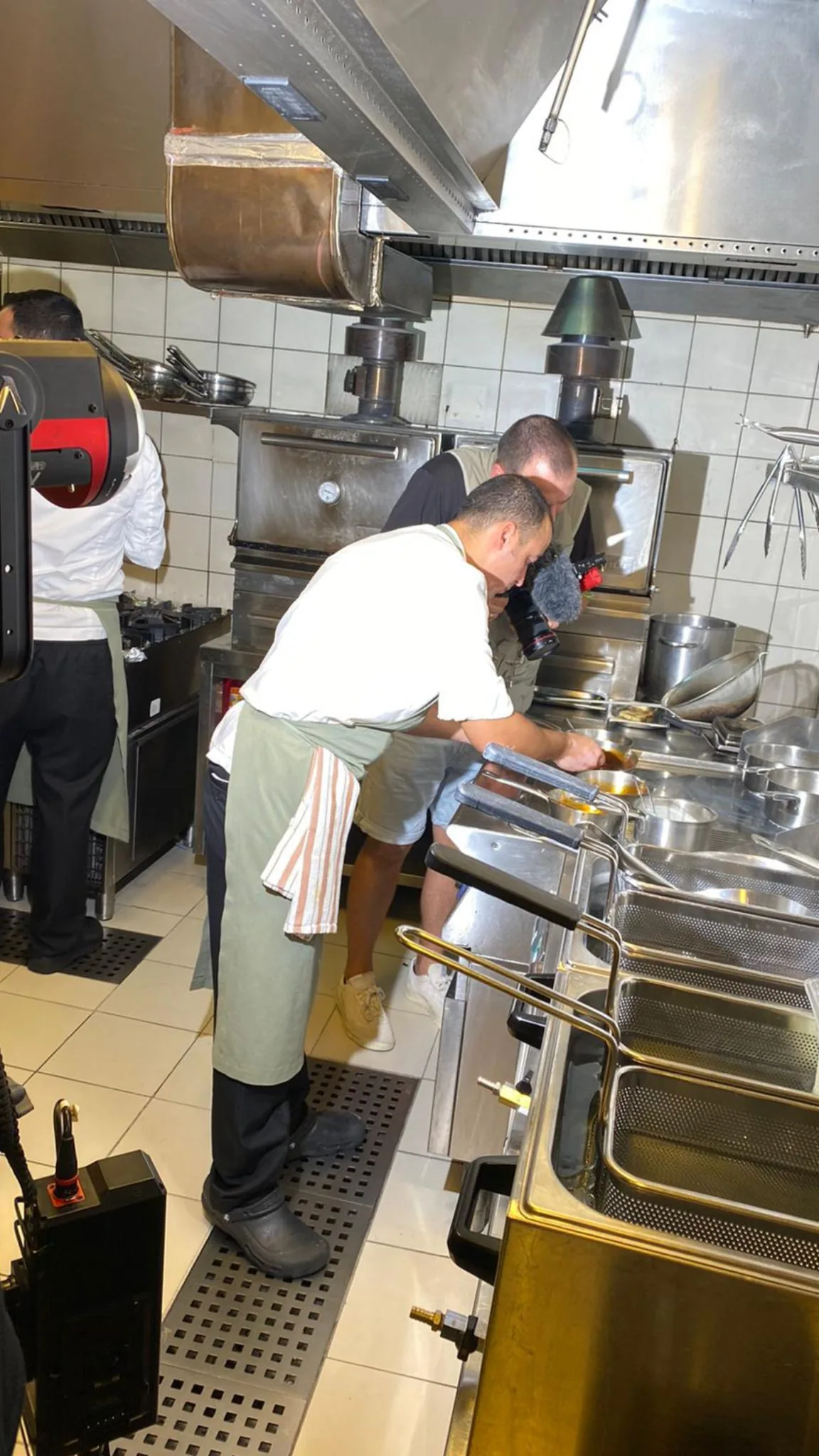
Kitchen assessment: Your chef needs to know what equipment is available before arriving. A professional chef brings their own knives, specialty tools, and mise en place system, but must be briefed in advance on oven capacity, burner count, and workspace layout. My team sends a pre-project kitchen checklist for every engagement.
Table setting and ambiance: Linen quality, candles, floral arrangements, and service plates complete the experience. It does not need to be extravagant — it needs to be elegant and consistent. White linen, beeswax candles, and natural flowers work every time.
Acoustics and lighting: Your guests should be able to converse comfortably. Music stays in the background. Warm, dimmable lighting creates the ideal atmosphere.
Understanding the Menu Architecture
A private dining menu is structured differently from a restaurant menu. Three key differences matter:
Personalization: Your guests' allergies, dietary preferences, and flavor profiles are mapped in advance. A vegan guest and a dedicated carnivore can sit at the same table — both must experience an equally impressive flow.
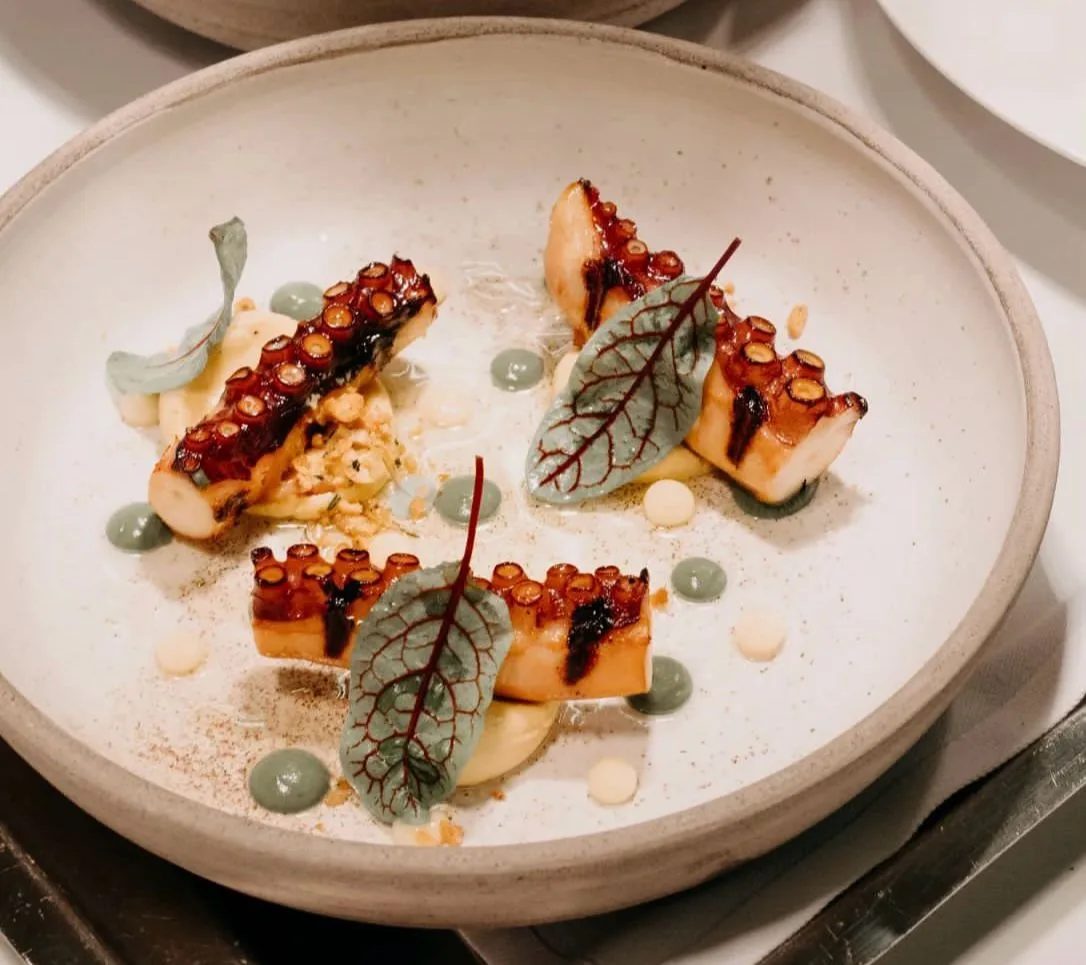
Course flow design: The format typically follows a 5-8 course tasting menu. Each plate builds on the previous one: from light starters to intense mains, then a refreshing dessert finale. This flow manages both palate and conversation rhythm.
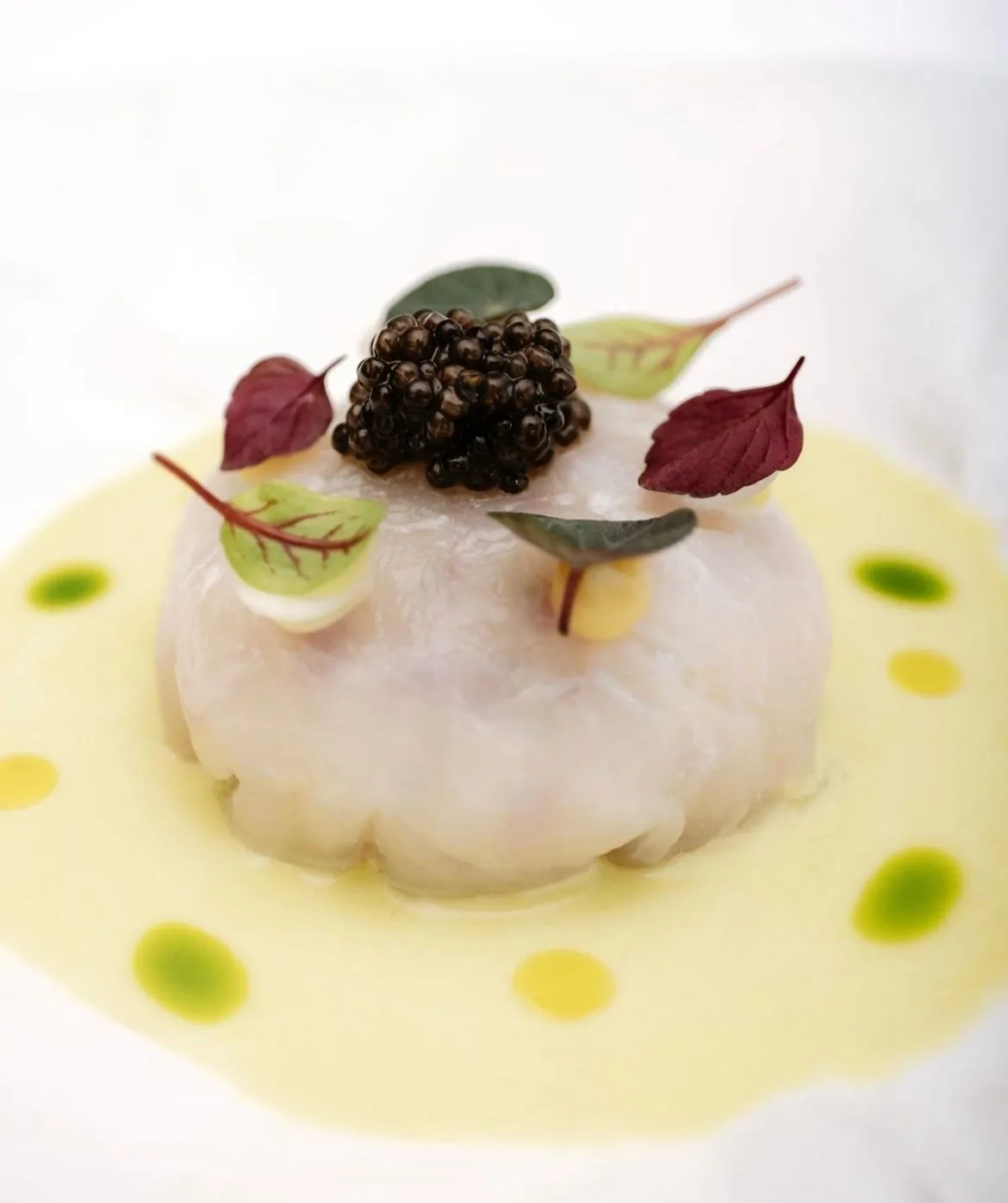
Seasonality: In my own services, I shape the menu around the freshest products available that week. Line-caught sea bream from the morning market instead of frozen sea bass. Vine-ripened Aegean tomatoes instead of greenhouse produce. Your guests will taste the difference in every bite.
Service Flow and Invisible Operations
The defining quality of private dining is that the operation is invisible. Guests should never be aware of what is happening in the kitchen — they should only notice the perfect plates arriving at perfect intervals.
In a professional private dining service:
- 12-18 minutes between courses — guests are neither rushed nor made to wait
- Each course is briefly introduced by the chef — ingredient story and inspiration are shared
- Wine pairing is managed by the chef or a sommelier upon request
- Cleanup and breakdown are entirely handled by the chef's team — the host manages nothing
Who Is This For?
The private home dining format is particularly suited for:
- Villa and residence owners: Those who want to offer their guests an unforgettable evening during holiday stays
- Family offices: Those who prefer a controlled, private environment over restaurants for client entertainment
- Couples and small groups: Anniversaries, engagements, or special celebrations in an intimate atmosphere
- Business leaders: Critical business dinners in a private, distraction-free setting
Cost and Expectation Management
The cost of a private dining service varies based on menu complexity, guest count, ingredient quality, and location. Typically, the per-person investment is comparable to a high-end restaurant plus an organization and service fee for the exclusivity and customization.
What matters is the return on that investment: full personalization, zero wait times, respect for your privacy, and an experience your guests will remember long after the evening ends. This format exists not because you cannot go to a restaurant, but because you want more than a restaurant can offer.
Conclusion
Private home fine dining is the most personal and most elegant way to experience gastronomy. With the right chef, the right menu, and the right preparation, your home can compete with any Michelin-starred restaurant in the world — for one extraordinary evening. Reaching out to a professional chef early in the planning process is the most effective way to ensure every detail is flawless.