What Is Restaurant Occupancy Management?
Restaurant occupancy management is the discipline of planning table capacity, reservation flow, and real kitchen production speed within a single operating logic. The common mistake is reading occupancy only as "tables being full." High occupancy that the kitchen and floor cannot actually carry stops being a revenue signal and becomes a signal of delay and guest dissatisfaction instead.
Four Metrics Occupancy Management Should Track
- 1Table turn speed: How long, on average, a table takes to clear. Fine dining is expected to run a slower turn, casual formats a faster one — managing both to the same target is a mistake.
- 2Reservation-to-walk-in balance: How reliable reservations make occupancy forecasting, and how unpredictable a high walk-in share makes capacity.
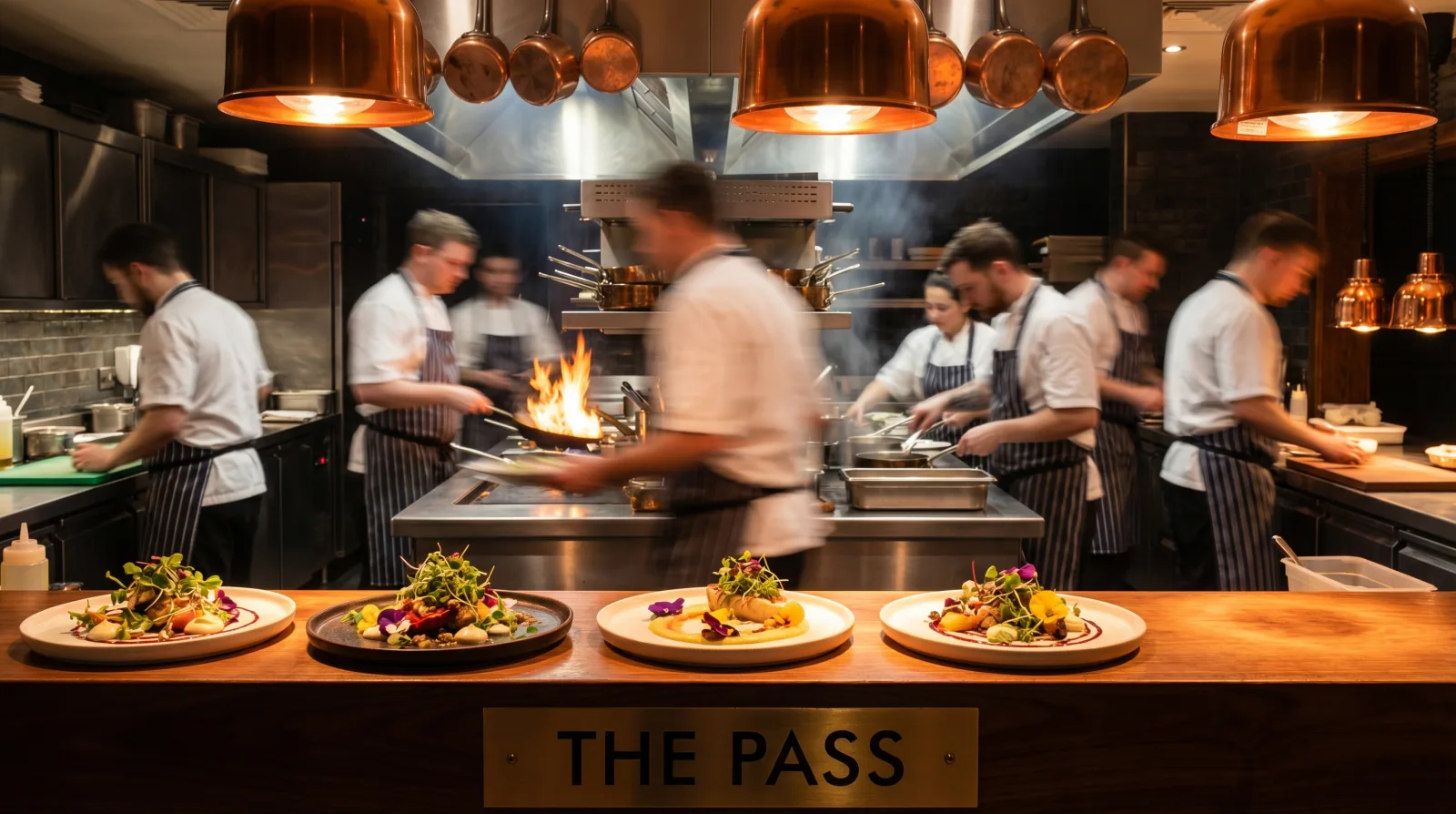
- 3Kitchen capacity ceiling: The real number of plates a kitchen can produce in a given window without cutting quality.
- 4Peak-hour pressure: Which hour demand exceeds capacity, and which station breaks first under that pressure.
How Much Does a Reservation System Strengthen Occupancy Forecasting?
A reservation system is not just a table-booking tool — used well, it is the backbone of occupancy forecasting. Reading party size, historical turn-speed data, and seasonality together lets kitchen prep and staffing be planned accurately hours in advance. In a restaurant where the reservation system is used weakly, the kitchen only learns the real load for the day once service has already started — which raises both waste and delay risk.
What Happens When Occupancy Targets Collide With Kitchen Capacity?
Letting occupancy targets outrun kitchen capacity is one of the most repeated operational mistakes in the industry. When reservations are overbooked or walk-ins arrive above forecast, two things break at once: service speed drops and plate consistency disappears. The right intervention at that point is not table count — it is flow: staggering the pace at which orders reach the kitchen, temporarily pulling specific dishes from the menu, or reworking reservation spacing.
A systematic approach to this is one of the core outcomes of operations improvement consulting, where capacity ceiling and reservation flow are modeled together so the occupancy target becomes operationally carryable. The menu itself directly affects this balance too — which is why occupancy management should usually be addressed alongside menu engineering: heavy-prep, long-service-time items strain turn speed exactly at peak hours.
How should the waitlist and no-shows be managed?
The waitlist is managed as actively as the reservation log itself. A protocol is built that monitors cancellation notifications, automatic queue offers, and guest response time; when a released table is not offered to a waiting guest within minutes, occupancy loss is unavoidable.
On no-shows, a deposit, a 48-hour reminder, and clear communication of the cancellation policy reduce the rate. The policy is added to the confirmation message and stored in the reservation system.
Conclusion
Restaurant occupancy management is less about filling tables and more about making sure occupancy arrives at a pace the kitchen and floor can genuinely carry. Reservation data, table turn speed, and kitchen capacity should not be read separately — they belong in one planning file.