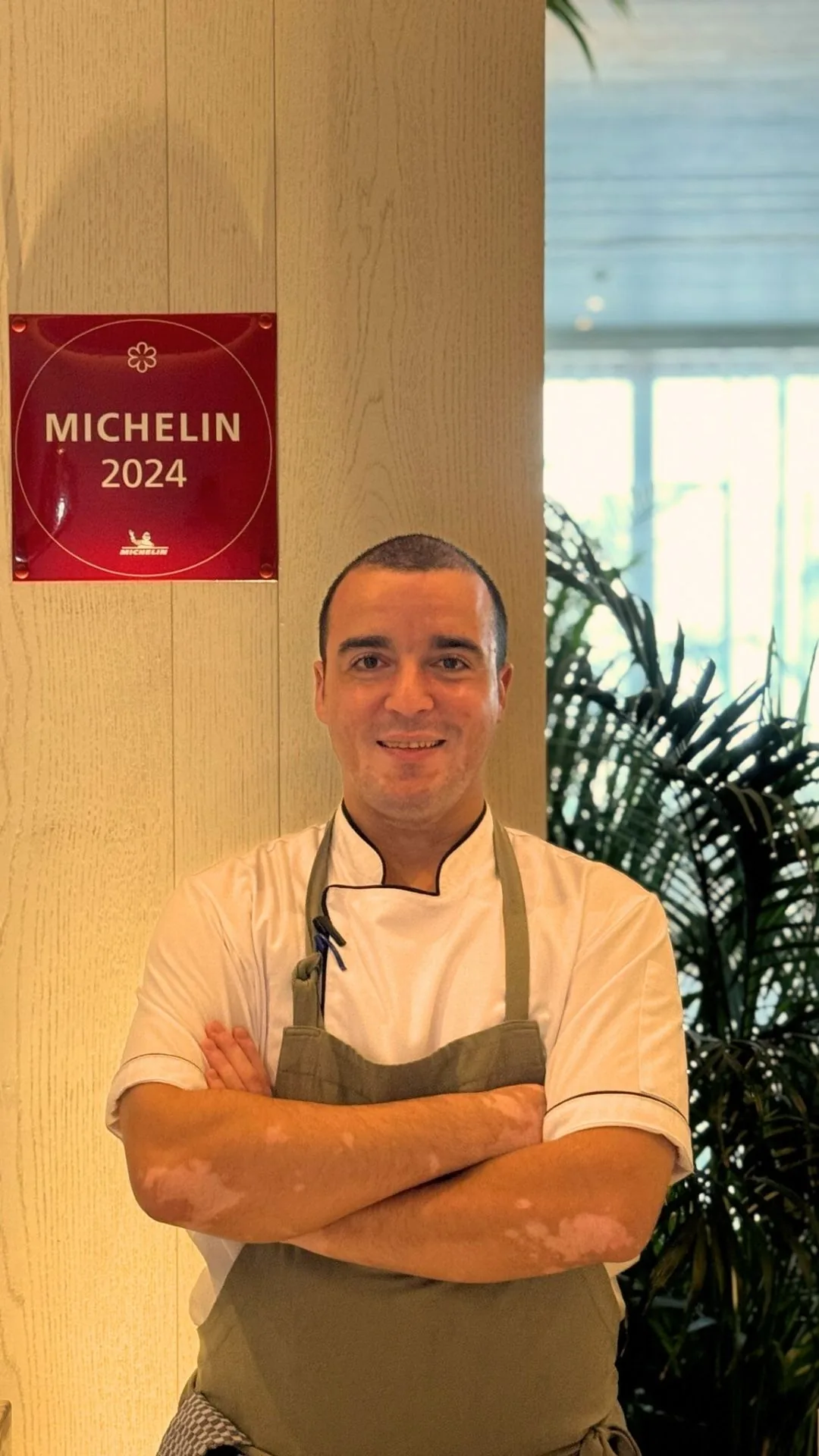
What Does Pre-Opening Mean?
"Pre-opening" refers to the preparation period between a restaurant or hotel F&B project's construction and fit-out being complete and the venue actually receiving guests. This period usually lasts several weeks and is the most critical yet least visible stage of the project — from the outside the venue looks "ready," but operationally it has not yet been tested.
What Gets Completed During Pre-Opening?
- 1Team hiring and training: Recruiting the kitchen and floor team and teaching recipes and the service standard.
- 2Supply chain testing: Verifying suppliers can actually deliver at real order volume.
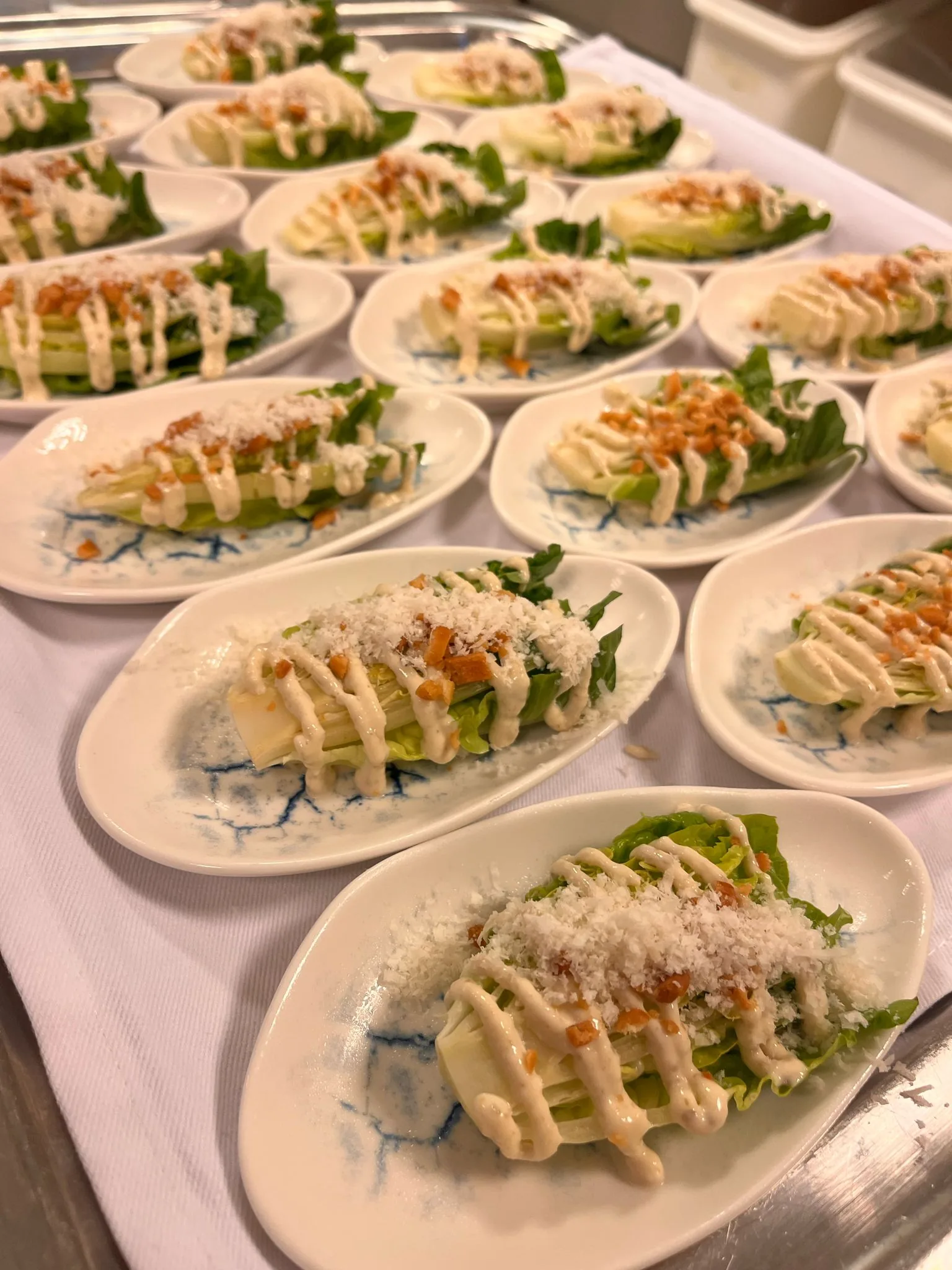
- 3Recipe and portion standardization: Testing that every menu item can be produced consistently.
- 4Equipment and kitchen flow testing: Seeing whether stations hold up at real service tempo.
- 5Soft opening: Controlled trial services with a limited guest count — covered in more depth in the restaurant opening readiness checklist.
Why Pre-Opening Should Never Be Skipped
If the pre-opening period is skipped or shortened, the project's real testing ground shifts to opening night — the most expensive scenario possible. Recipe inconsistencies, team coordination gaps, and supply failures surface live, in front of guests, with little room to correct course. Hotel projects usually need a longer pre-opening window than standalone restaurants, since multiple F&B outlets (breakfast room, à la carte, banquet, room service) share the same kitchen and must be tested together.
Who Should Own Pre-Opening?
Pre-opening should not sit with a single department. Chef leadership, operations management, and the owner/investor side need to co-own this period. Within restaurant launch consulting, this window is planned so menu, team, and supply chain are tested on the same timeline — the opening date is set as the day the operation is ready, not the day the venue is ready.
Conclusion
Pre-opening is not empty time before the ribbon-cutting. It is the project's most intensive testing period. Managed correctly, opening night stops being a moment of risk and becomes the first live broadcast of an operation that has already been tested.