Izmir F&B Market Structure
Izmir's F&B market is one of Turkey's fastest-maturing markets. Since 2020, significant growth has occurred in both premium and fast-casual segments. Distinct micro-markets have formed across Alaçatı, Kordon, Alsancak, Bornova, and Bayraklı, each shaped by its own dynamics.
Izmir's four main restaurant micro-markets:
| Area | Guest Profile | Season | Competition Intensity |
|---|---|---|---|
| Kordon / Alsancak | Local Izmir premium, foreign business | Year-round | High |
| Alaçatı | Weekend/holiday, Istanbul visitors | April–October | Very high |
| Bornova / Karşıyaka | Local upper-middle, family segment | Year-round | Medium |
| Çeşme / Ilıca | Beach holidays, large groups | June–September | High |
Succeeding in this market requires, above all, clarity about which micro-market you are entering.
Defining the Target Guest Profile
The target guest profile is the foundation of premium positioning. A "restaurant for everyone" strategy does not work in Izmir. Different pricing, atmosphere, and menu language are required for each market segment.
Three questions to answer when defining your target guest profile:
- 1Who? Age, occupation, family/couple/group structure, local or visitor? This information determines menu price, service tone, and seating format.
- 2Why are they coming? For experience, for social sharing, for a special occasion, for a business meal? Each motivation requires a different restaurant design.
- 3How often do they come? Frequent local regulars or once-a-year vacationers? Returning visits require menu rotation and a culture of recognition. First-time visits require maximum first-impression impact.
Value Proposition and Competitor Differentiation
As competition in Izmir's premium restaurant segment intensifies, the value proposition must become sharper. "Good food, beautiful space" is no longer a value proposition — it is the entry requirement.
Real differentiation is produced at three points:
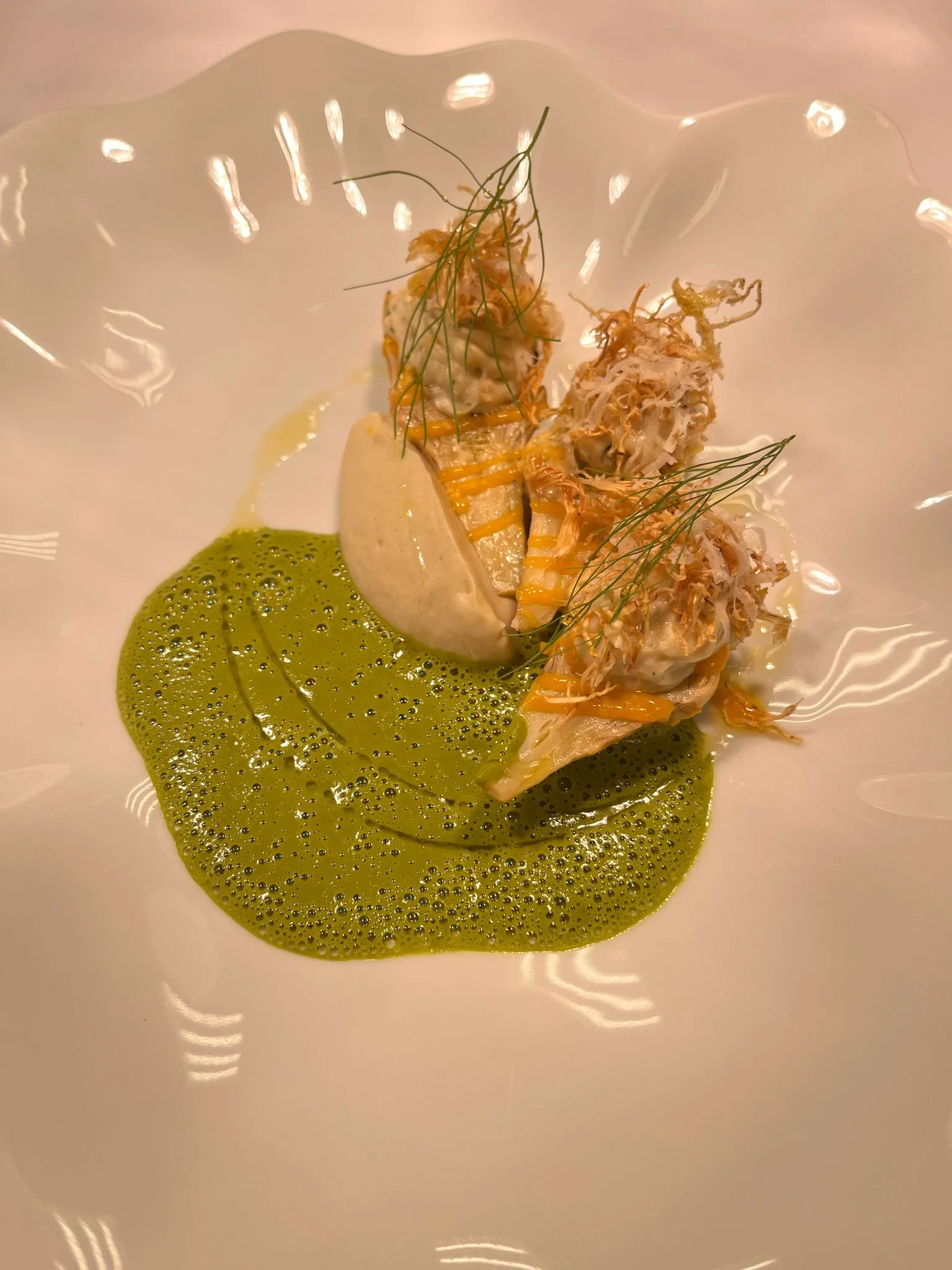
1. Menu character: It is not what you serve but how you serve it that is decisive. Reinterpreting Aegean ingredients with modern technique, writing a plate narrative specific to Izmir, or foregrounding local sourcing creates a real difference.
2. Service personality: The Izmir guest expects a warm but informal service experience. Transplanting the distant service tone of Istanbul fine dining to Izmir typically does not work. Warmth, knowledge, and genuineness must all function together.
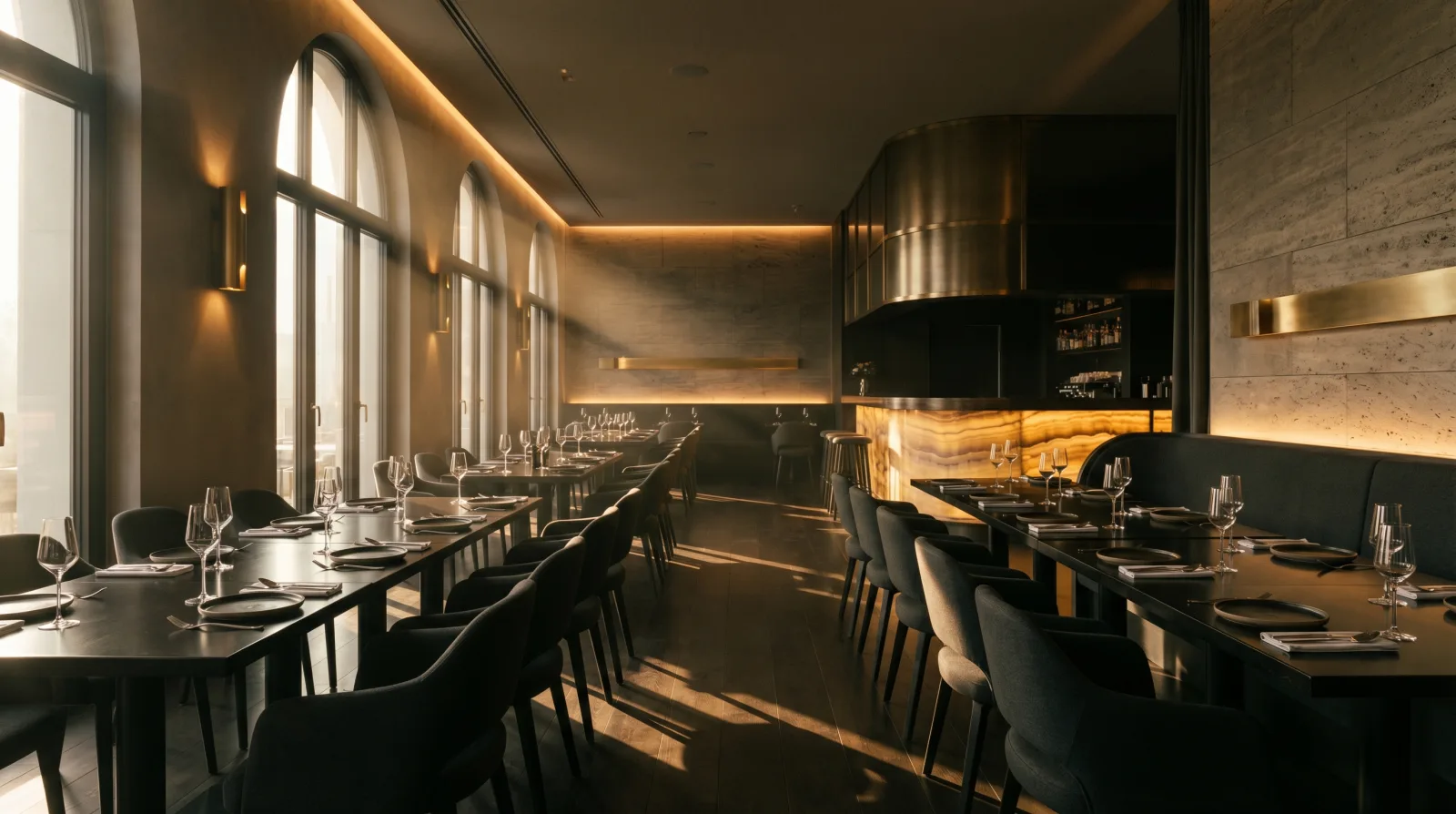
3. Atmosphere narrative: Izmir's sea, olive groves, and Aegean aesthetic offer a strong atmospheric language. Translating this language into a space that genuinely lives it is profoundly different from reducing it to visual references.
Price-Quality-Experience Alignment
The most frequent breaking point in premium positioning is the price-quality-experience alignment. When these three are inconsistent with each other, guest trust is damaged and negative reviews follow.
Alignment test:
- Does the price level set the right guest expectation? (High price creates high expectation — is there enough quality to meet it?)
- Does plate quality support the atmosphere?
- Is the service rhythm and warmth aligned with the price level?
- Does the space's visual register justify the menu price?
Izmir's successful premium restaurants have consistently been those that keep asking these four questions.
Location and Atmosphere Strategy
Location in Izmir shapes both traffic and guest expectation. A restaurant opening on Kordon must manage the expectation created by sea views. A restaurant opening in Alsancak must integrate urban energy and variety.
Location-atmosphere alignment framework:
- Kordon: High visibility, sea-view advantage. The atmosphere must support this: outdoor space, Aegean aesthetic, light but high-quality service.
- Alsancak: Diverse guest profile, urban style. Offers flexibility but a sharp identity is essential.
- Alaçatı: Seasonal intensity, elevated expectation. It is critical that the atmosphere is photographable and tellable — guests see the restaurant as part of the Alaçatı experience itself.
Translating Positioning into Operations
The best positioning strategy becomes worthless if it does not translate into operations. Translating positioning into operations divides into three concrete steps:
1. Updating menu language: Menu copy, price format, and presentation style must align with positioning. For a premium venue, handwritten menus and a price-omitting tasting format create distinction. For a budget-friendly venue, a simple, clear list performs better.
2. Team briefing: The service team must internalise the positioning message. The answer to "What do we offer here and why does the guest choose us?" must be common across every service team member.
3. Customer experience mapping: Every touchpoint the guest encounters from reservation to exit should be reviewed: reservation confirmation, welcome, menu presentation, service warmth, billing moment, and farewell. Each of these touchpoints either supports or undermines the positioning claim.
As F&B competition in Izmir intensifies, positioning clarity is becoming a requirement for visibility in the market. Restaurants that translate it into operations are pulling ahead in both guest loyalty and sustainable profitability.