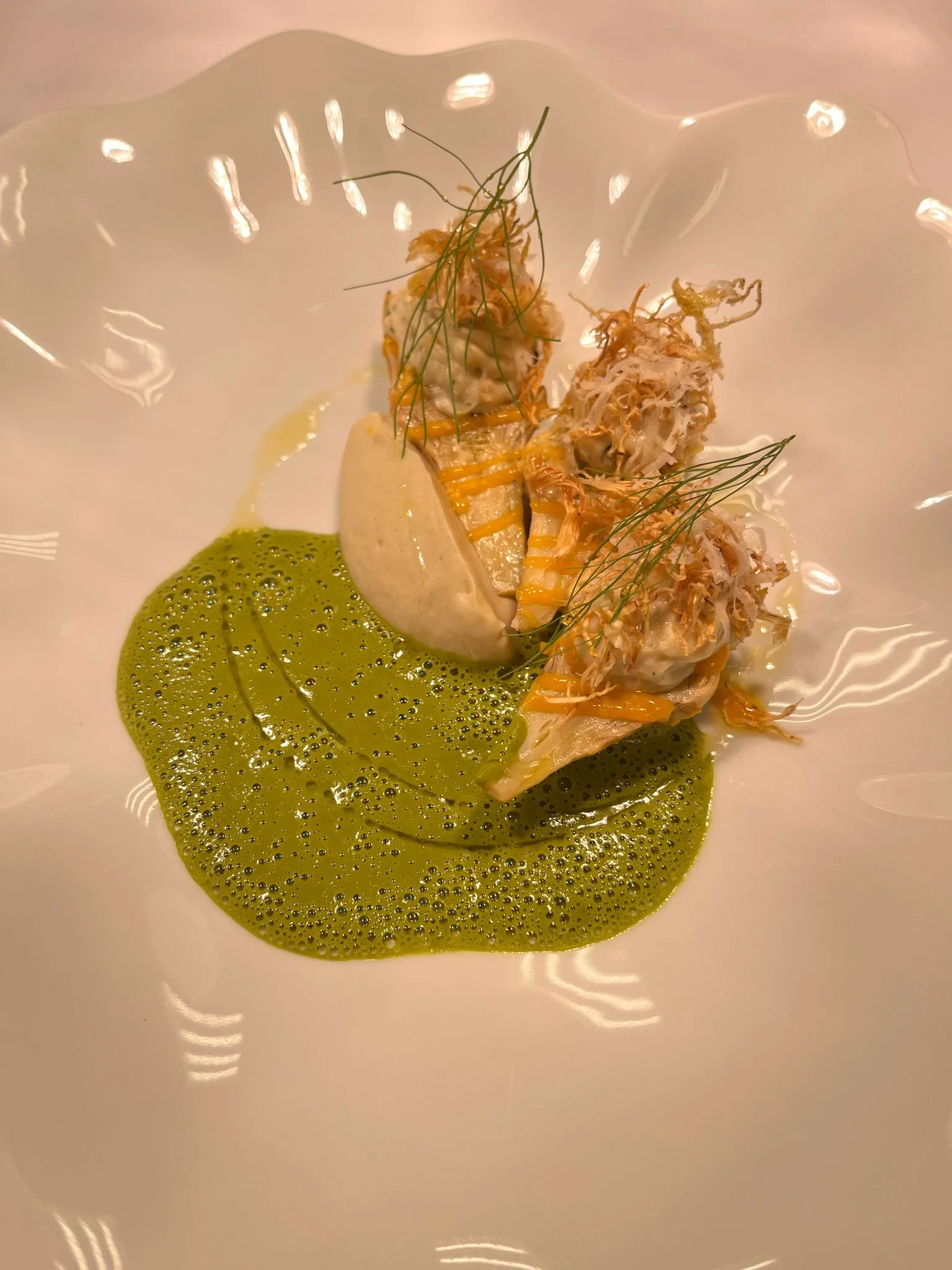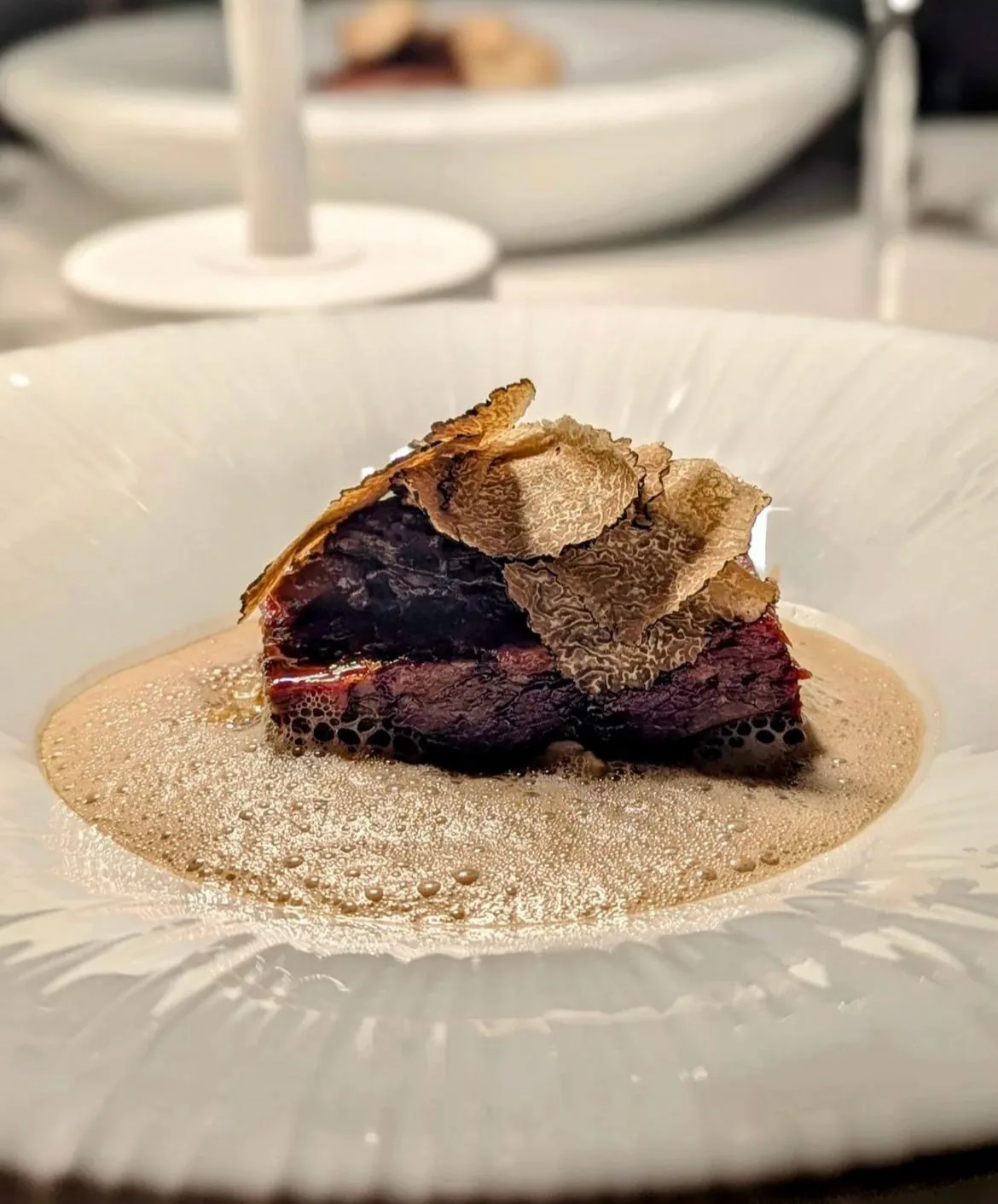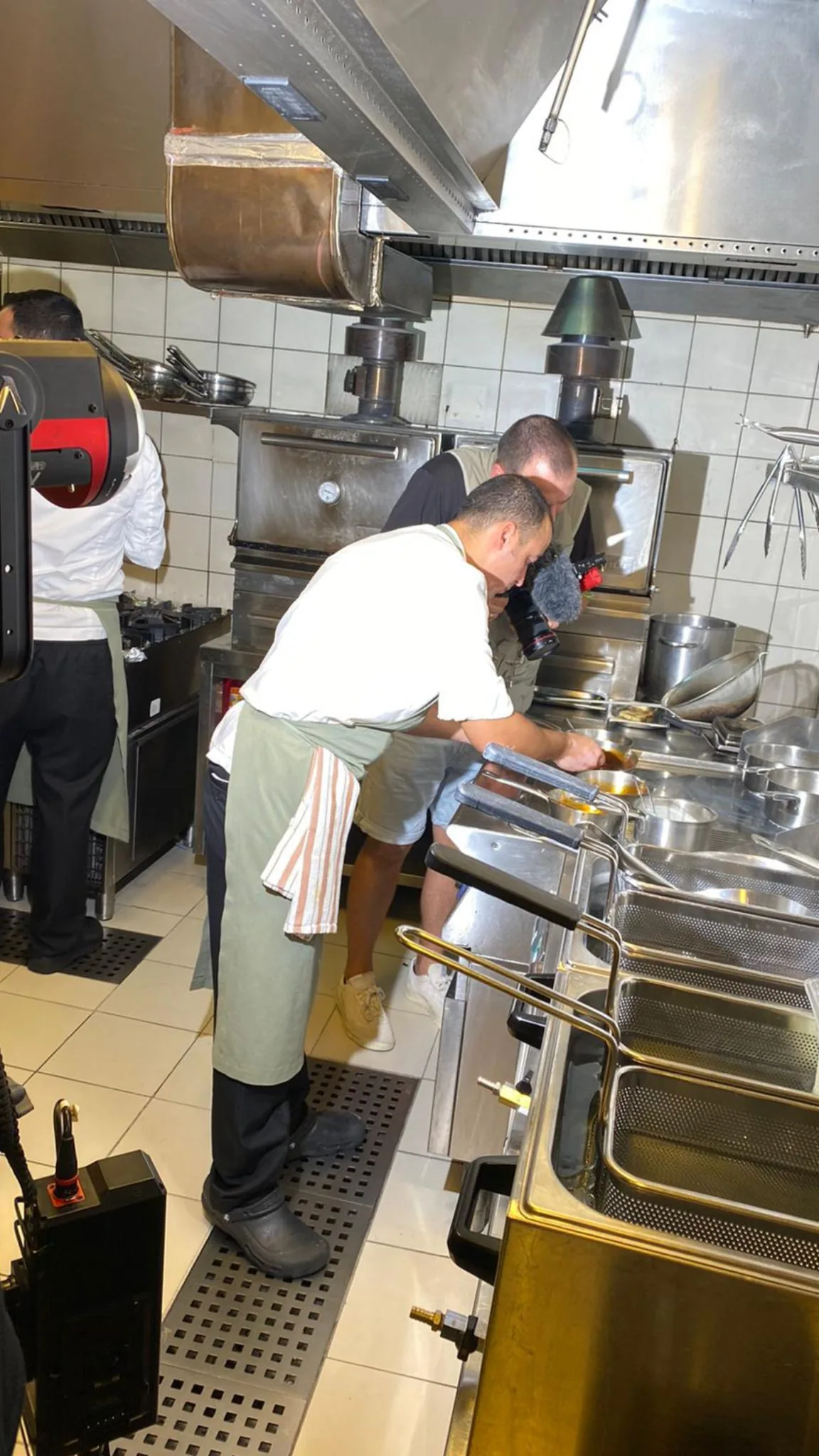
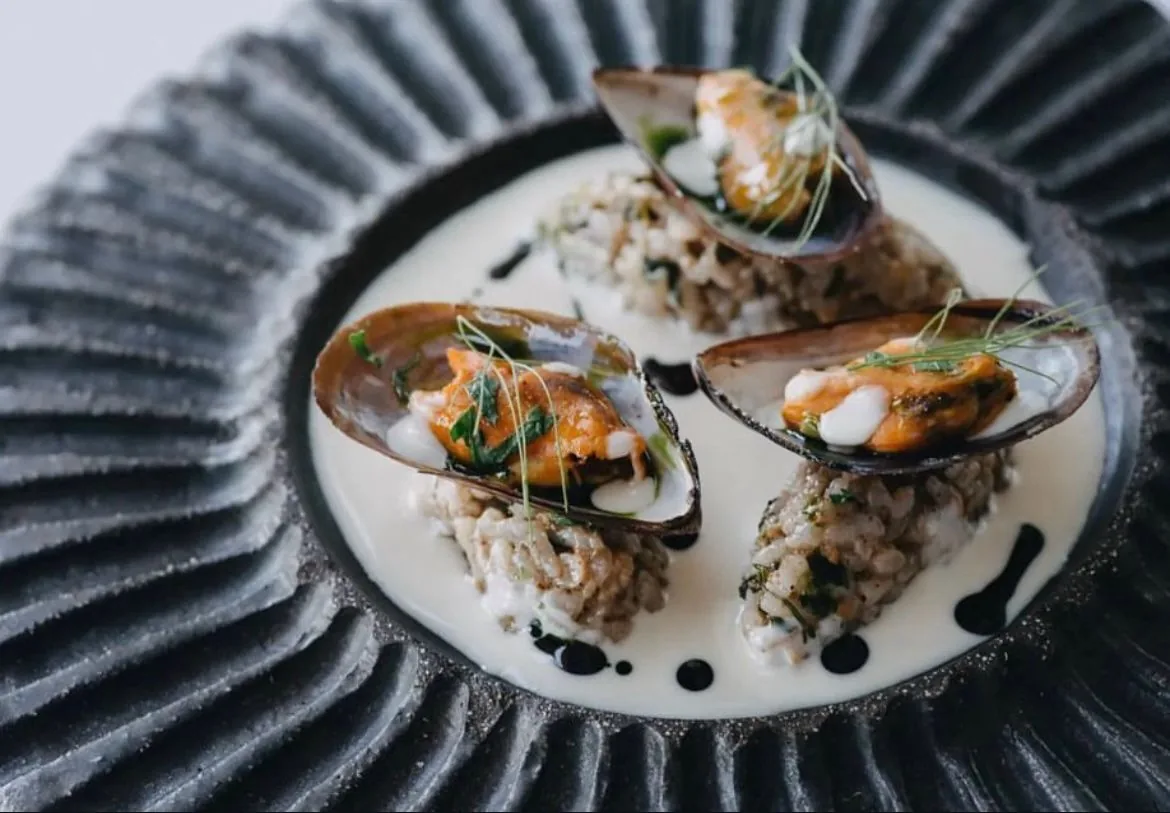

Why Seasonal Menus: Quality, Cost, and Narrative
A seasonal menu delivers three distinct advantages through a single decision: it raises raw material quality, reduces cost, and refreshes the narrative. When these three effects occur together, the restaurant wins on both profitability and experience.
Seasonal ingredients are harvested at peak ripeness — the intersection of maximum flavour intensity and minimum supply cost. Ingredients imported from afar or stored for extended periods raise logistics costs and suppress flavour potential.
In fine dining, guests largely base their decision to revisit on the answer to "what's new?" Seasonal rotation continuously generates new answers to that question; the restaurant renews itself each season.
The Seasonal Change Calendar
Four core seasonal rotation windows for the Turkish climate:
Spring rotation (March-April): fresh herbs, first vegetables, lamb, seafood. A period of high demand that aligns with European markets.
Summer rotation (June-July): tomato, pepper, aubergine, fresh almonds. Hot-climate demand lightens protein; cold starters and fresh salads move to the fore.
Autumn rotation (September-October): mushroom, pomegranate, grape, game. The year's richest aroma window.
Winter rotation (December-January): root vegetables, citrus, fermented products, slow-cooking techniques. The menu becomes deeper, more intense.
For each rotation, define a start date, final testing date, and launch date. This calendar is one of the kitchen's core planning documents.
Cost Optimization and Portfolio Planning
Seasonal rotation affects food cost systematically. When raw material seasonality is correctly analysed, a 3-5 percentage point cost reduction is a realistic target.
Three categories are managed in portfolio planning: core items (signature elements present every season), seasonal components (items that rotate in and out), and single-source specials (short-window items tied to specific seasonal supply).
Seasonal components provide the menu's dynamism while core items preserve guest familiarity and operational efficiency. This balance is critical from both narrative and cost perspectives.
Seasonal Bridges That Build Guest Loyalty
Loyal guests returning to a restaurant want two things: the familiar experience they know and something new to discover. A seasonal menu addresses both needs simultaneously.
Signature items are never removed entirely — they are updated with small seasonal interpretations each rotation. This approach allows guests to say both "I found my favourite dish" and "this time it was different."
Exclusive seasonal preview invitations for loyal guests create a direct connection built outside social media. The restaurant invests not only in the visit itself but in the anticipation and the memory.
In the first week of the season, the service team narrating the menu change as a story — "this year we used Aegean thyme for the first time" — makes guests part of a discovery and increases the motivation for a return visit.
The Menu Renewal Framework
Practical renewal framework:
- 1Divide the current menu into core, seasonal, and short-window items.
- 2Map the regional supply calendar for the next season: which ingredient reaches peak quality and lowest cost in which month?
- 3Develop interpretations for core items: same product, new technique or component.
- 4Begin test services at least 6 weeks in advance.
- 5Run cost analysis: calculate the food cost percentage for every new item.
- 6Complete the narrative briefing with the service team. If the team doesn't know the story, neither will the guest.
- 7Open the launch with controlled reservations. The first week is reserved for monitoring and rapid adjustment.
This framework turns seasonal change from a surprise into a managed process.