Loading

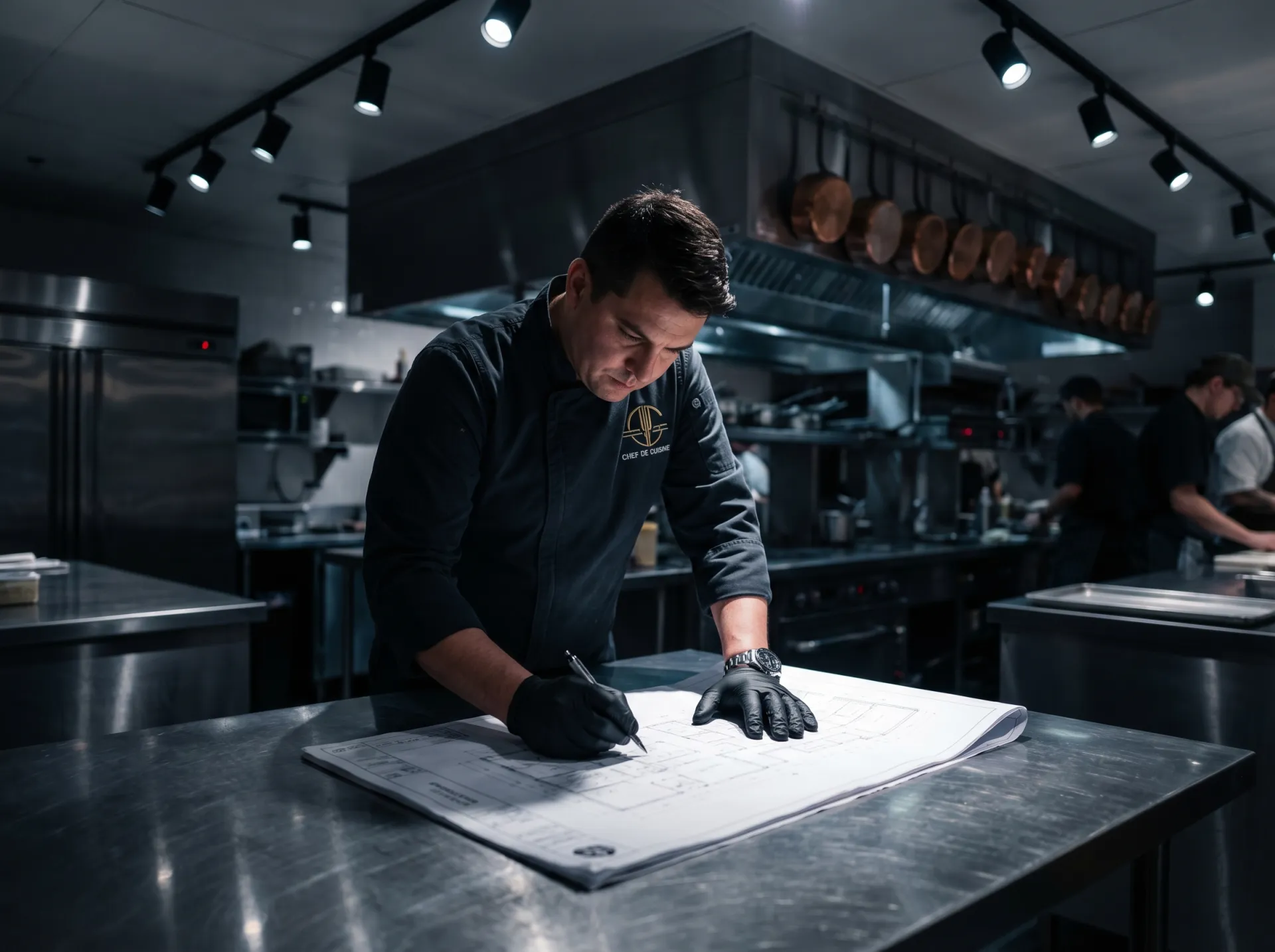
Michelin and premium standardsMichelin and fine dining
A decision hub for Michelin criteria, fine dining discipline, and commercial sustainability
This hub organizes Michelin inspection signals, kitchen and service standards, investment implications, and private dining execution inside one strategy frame.
Direct answer
Why is this topic commercially critical?
Michelin-focused content is most valuable when it is used to manage repeatable quality, operating resilience, and premium profitability together rather than as an awards narrative alone.
Who this is for
Restaurant owners, executive chefs, investors, and high-end private dining stakeholders
articles
39
The total number of decision-focused articles inside this topic.
average read
9
Average reading time across this topic cluster.
words
87,900
Focused content volume built to improve decision quality, not just traffic.
Who this is for
Restaurant owners, executive chefs, investors, and high-end private dining stakeholders
What this hub helps solve
- Michelin ambition is treated as brand image without operating capacity checks
- Kitchen and service standards remain person-dependent instead of system-driven
- Investment decisions confuse visibility signals with durable financial performance
Commercial outcomes to aim for
- Clearer kitchen and service alignment with Michelin-level criteria
- A stronger balance between premium pricing and quality consistency
- Lower strategic error in investment and operating decisions
Michelin readiness brief
Turn star ambition into a measurable operating system
When concept direction, team capability, service rhythm, quality KPI logic, and investment pressure are not aligned in one brief, Michelin ambition fragments quickly. A short readiness intake exposes the highest commercial-risk gaps early.
Data worth sharing
- City and target guest profile
- Concept level and pricing band
- Team setup, training status, and service model
- CAPEX OPEX framework, opening timeline, and targeted standard level
A framework that improves decision quality
Michelin and fine dining
Typical deliverables
- A Michelin readiness decision framework
- Priority map for kitchen audits, service rhythm, and team training
- A commercial roadmap linking premium strategy to execution capacity
What the work covers
- Reordering Michelin and fine dining content into a decision-first sequence
- Building a KPI logic that connects quality, cost, and team standards
- Bringing city-specific and private-dining execution realities into one strategy model
Expected operational outcomes
- More stable dish quality and service flow
- Less quality drift during high-pressure services
- More realistic ROI and working-capital expectations on the investment side
Not the right fit when
- Projects seeking prestige language without operational transformation
- Teams expecting premium outcomes without KPI, training, or process discipline
How decisions change with advisory support
Michelin-focused content is most valuable when it is used to manage repeatable quality, operating resilience, and premium profitability together rather than as an awards narrative alone.
| Decision area | Without advisory | With advisory |
|---|---|---|
| Michelin approach | Read as image-led and short term | Converted into a criteria-led, repeatable operating model |
| Service standards | Shift quality varies by individual performance | Protected across shifts through training and control loops |
| Investment interpretation | Visibility is mistaken for profitability | ROI is tested with CAPEX, OPEX, and operating capacity together |
Related service
Operations Improvement
Efficiency is the foundation of profitability. We identify bottlenecks in your kitchen operations, modernize workflows, and optimize resource utilization. By offering professional solutions at every step—from preparation processes to service speed, and from waste management to staff productivity—we maximize your business performance.
More articles in this theme
A decision hub for Michelin criteria, fine dining discipline, and commercial sustainability




















Michelin and fine dining
Let’s connect Michelin ambition to a durable strategy
Share your city, service format, team setup, and target standard level. In the first call, we can set 30-60-90 day priorities and define the highest-risk gaps.