
What a Signature Dish Is and Is Not
A signature dish is not the chef's favourite recipe. Nor is it the most expensive-ingredient plate.
A signature dish is something that remains in the evaluator's memory after leaving the table — something they would want again on their next visit. Technique, flavour, and identity work simultaneously; if any one is missing, the dish cannot become a signature.
The Three Layers of a Signature Dish
Layer 1 — Geographic identity
The dish must be tied to a geography, a season, or a memory. The Michelin evaluator intuitively recognises local identity. The feeling that "this can only come this way from this chef in this kitchen" is the first layer of the signature.
Layer 2 — Technical differentiation
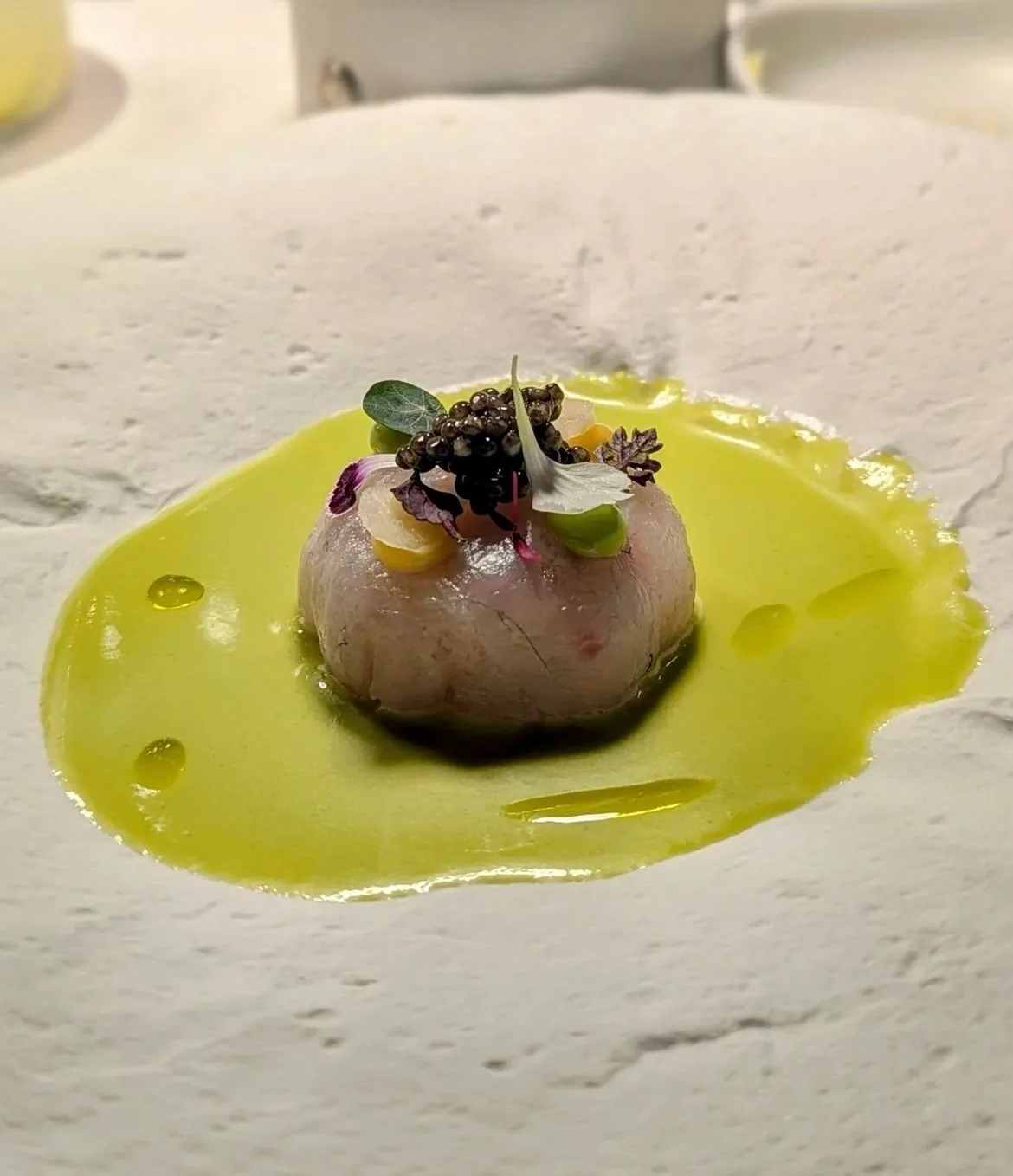
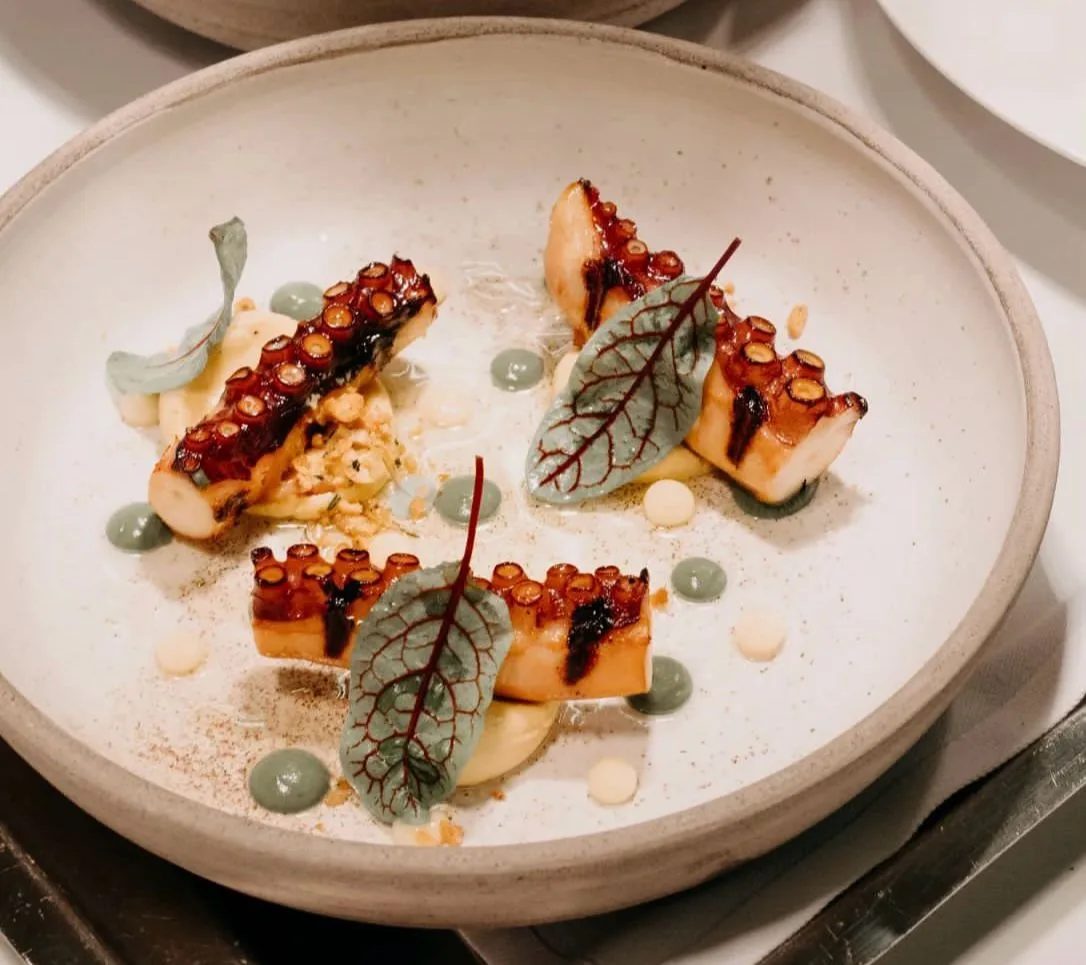
Flavour alone is not enough; technique must also carry signals. Special fermentation, textural transformation, sous vide temperature precision, or the geometry of the plating — these reflect the chef's technical voice.
Layer 3 — Consistent repeatability
The signature dish must come out the same way at every service. Even in a service managed by the sous chef, the same texture, temperature, and visual presentation are expected. This layer depends on SOP discipline.
Development and Testing Process
Signature dish development proceeds in four steps:
- 1Concept: What geography, technique, or ingredient is the inspiration from?
- 2Prototype: First test is done in the kitchen. Cost, flavour balance, and technical viability are evaluated.
- 3Service test: Applied in a live environment over 10 services. Duration, temperature, and presentation consistency are noted.
- 4Calibration: Revised based on feedback and observation. Upon reaching 30 services, it is accepted as standard.
Positioning and Sequence in the Menu
The signature dish should be positioned near the peak of the menu — not at the very peak, but just before it. This position prepares the guest for the summit and the memory effect is strongest.
A signature dish in the amuse-bouche or snack position impacts the evaluator in the first minute; however, it increases the pressure on the courses that follow.
Repeatability and SOP
Every signature dish must have a detailed SOP document:
- Ingredient specifications (supplier, grade, weight)
- Technical steps and temperature values
- Plating template (measurement or photograph)
- Service timing and presentation note
This document must be accessible in the kitchen and transferred to every new team member.
When to Renew the Signature Dish
Changing a signature dish is not natural — it is a strategic decision. Reasons to change:
- Supplier issue (ingredient is no longer accessible or quality has changed)
- Technical obsolescence (the method is no longer competitive)
- Guest fatigue (a loyal guest has seen the same dish for three years)
Seasonal interpretation is the safest path to novelty: update the seasonal ingredient and technique while preserving the essence.