
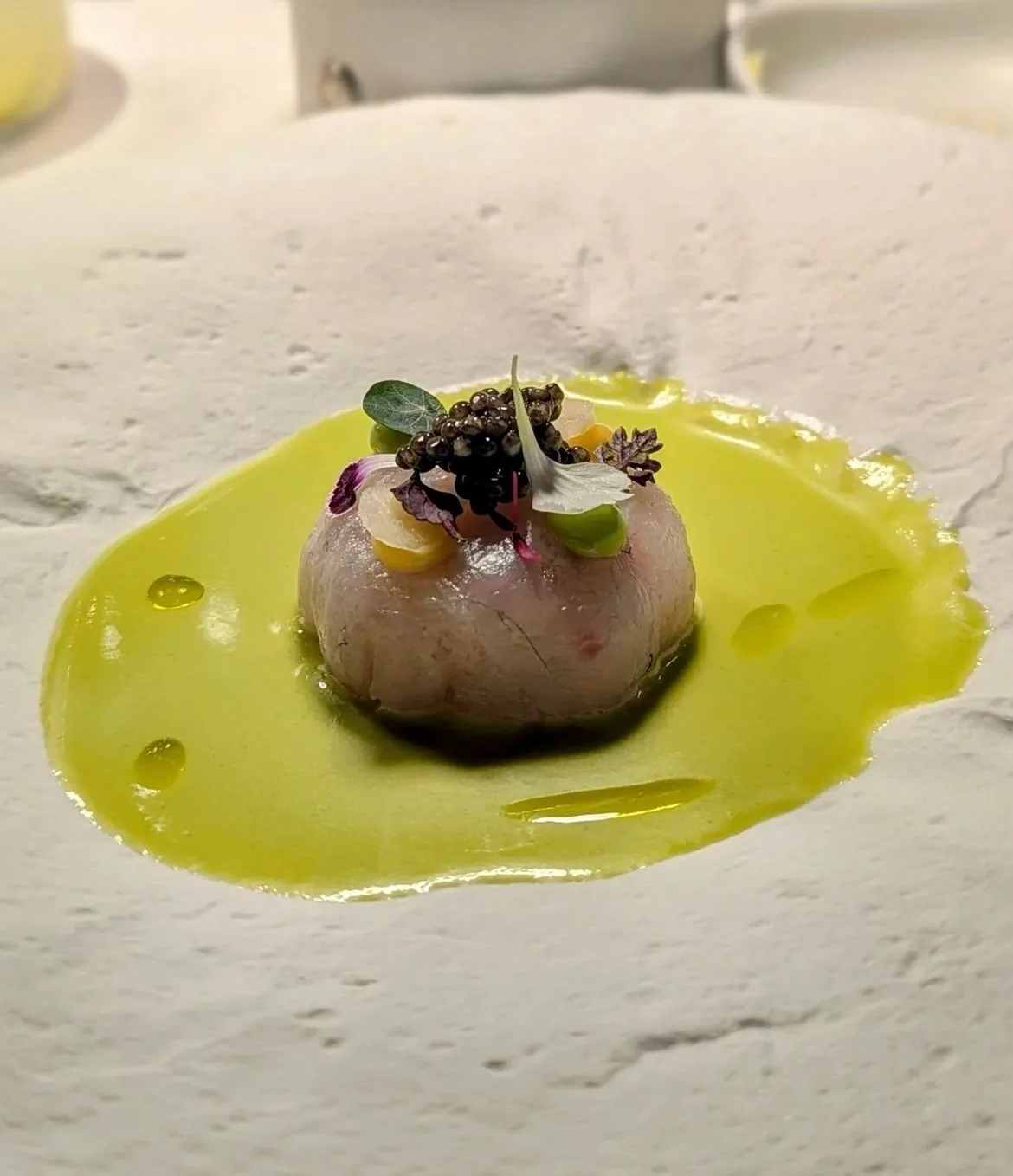
A hub for Michelin tasting menu design, plating, and seasonal rotation
This hub covers Michelin-level tasting menu construction, plating principles, and seasonal menu rotation strategy through applied, practitioner-level content.
Direct answer
Why is this topic commercially critical?
A Michelin menu is functional, not just aesthetic: course flow, taste memory, product selection, and cost discipline must operate as one system. This hub connects menu decisions to strategy.
Who this is for
Executive chefs, menu consultants, and Michelin-focused restaurant owners
articles
6
The total number of decision-focused articles inside this topic.
average read
10
Average reading time across this topic cluster.
words
15,250
Focused content volume built to improve decision quality, not just traffic.
Who this is for
Executive chefs, menu consultants, and Michelin-focused restaurant owners
What this hub helps solve
- Tasting menu construction executed intuitively without systematic methodology
- Plating decisions based on spontaneous creativity rather than consistent principles
- Seasonal menu changes executed without calculating cost and operational impact
Commercial outcomes to aim for
- Stronger alignment between course flow, taste balance, and guest experience
- Repeatable and documented plating standards
- Seasonal menu change calendar matched to COGS and operational capacity
Michelin menu brief
Restructure your menu to Michelin criteria
Without course flow discipline, taste memory logic, plating consistency, and cost control working as one system, a Michelin menu cannot stay coherent. A short menu intake identifies the most critical design gaps first.
Data worth sharing
- Current menu structure and course count
- Target pricing band and guest profile
- Plating standards and team skill level
- Seasonal product access and supply chain
Michelin menu
Typical deliverables
- Tasting menu course flow and balance control framework
- Plating principles and standard documentation
- Seasonal menu change plan and cost impact analysis
What the work covers
- Analysis of current menu on course flow, taste memory, and product selection dimensions
- Documentation of plating standards and creation of team visual reference library
- Modelling of seasonal change calendar alongside COGS impact
Expected operational outcomes
- More consistent plating across shifts
- Fewer cost surprises during seasonal transitions
- Faster team adaptation during menu changes
Not the right fit when
- Projects expecting creative output without investing in menu engineering
- Kitchens seeking short-term recipe solutions without wanting to build systems
A Michelin menu is functional, not just aesthetic: course flow, taste memory, product selection, and cost discipline must operate as one system. This hub connects menu decisions to strategy.
| Decision area | Without advisory | With advisory |
|---|---|---|
| Tasting menu construction | Intuitive course sequencing, no written methodology | Systematic construction using taste flow, portion balance, and guest journey |
| Plating standards | Chef-specific aesthetics, ambiguous reference for the team | Repeatable standard with documented principles and visual references |
| Seasonal rotation | Ad hoc ingredient substitution, cost impact unknown | Scheduled rotation managed with COGS model and team preparation plan |
Related service
Menu Design and Development
A menu is the most powerful communication tool reflecting the chef's philosophy and the restaurant's character. By blending seasonality and modern techniques, we create signature dishes that are both operationally efficient and resonant in the culinary world. This service elevates your kitchen's standards and profitability through detailed cost analysis and precise recipe development.
A hub for Michelin tasting menu design, plating, and seasonal rotation


Let's design your Michelin menu together
Share your current menu structure, course count, target pricing band, and seasonal product access. We can clarify tasting menu construction and plating standard priorities.