Fine Dining: A Culinary Ceremony
This guide covers the service side of fine dining: what happens at the table, in what order, and why. If you are looking for what the term means, the Michelin criteria behind it, or how fine dining differs from a merely expensive restaurant, our fine dining guide answers those questions in full.
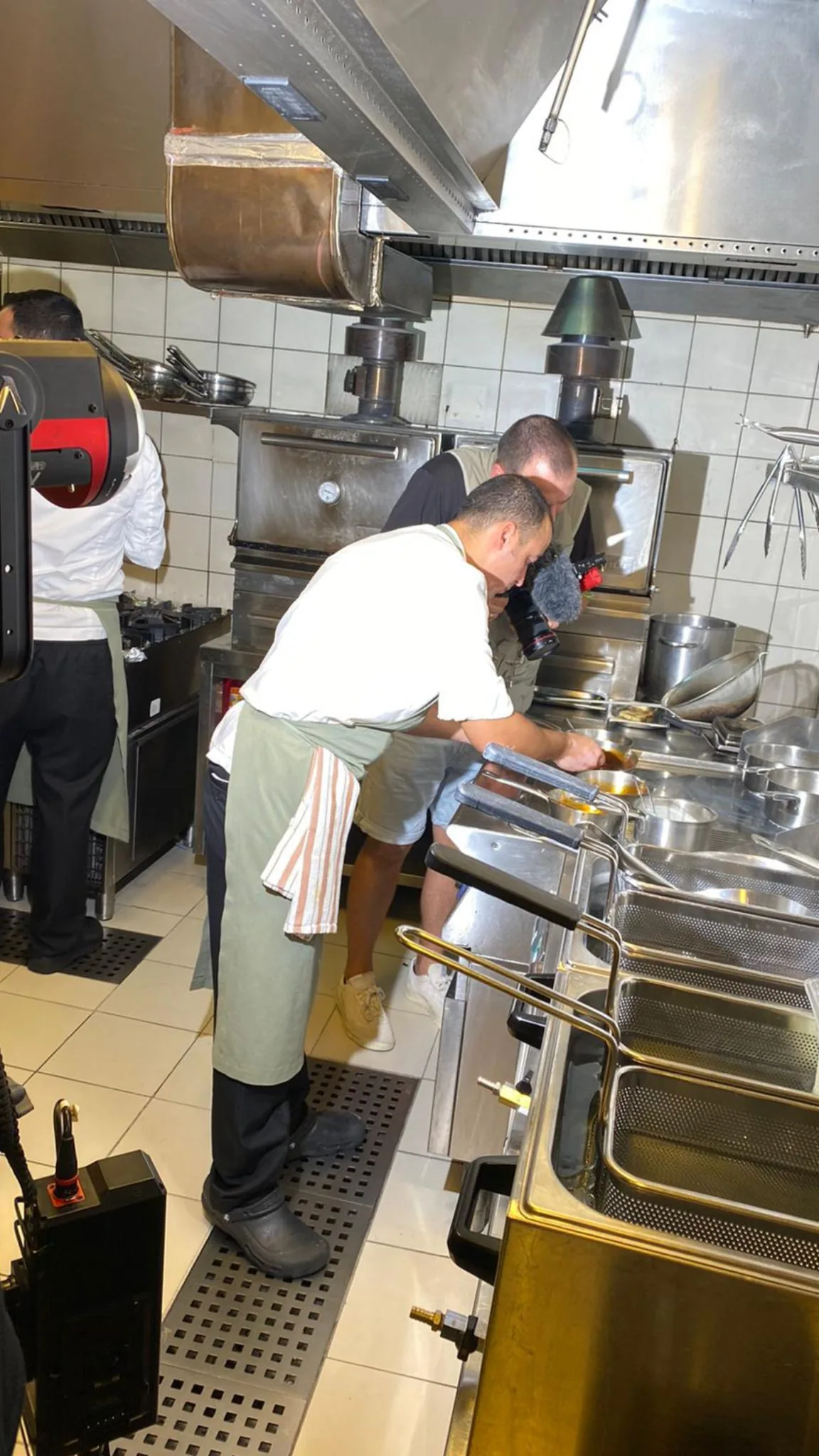
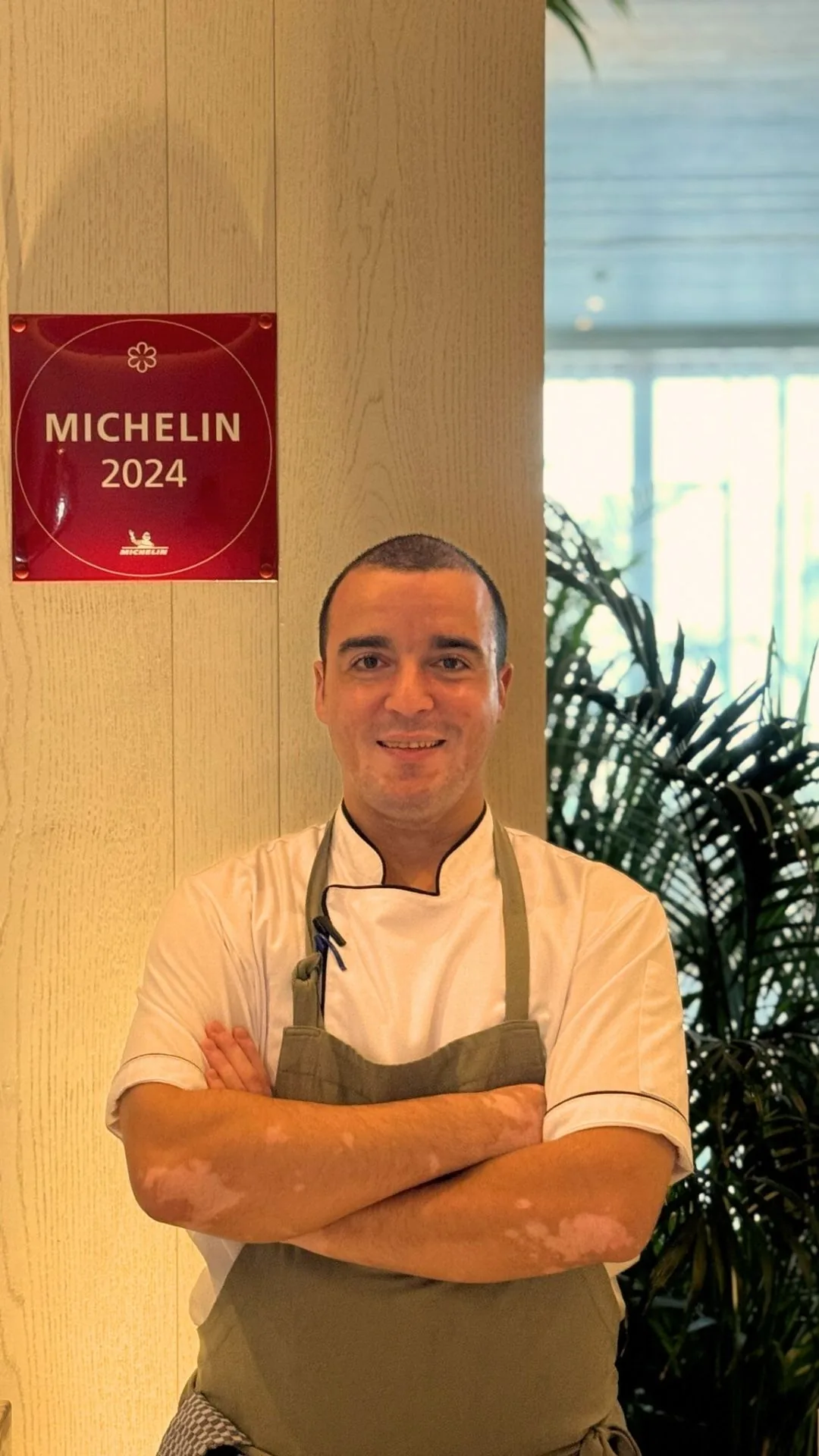
Fine dining is the most sophisticated expression in the world of gastronomy. In this environment, food is not merely sustenance — it is a multi-layered performance that appeals flawlessly to all senses. Drawing from my firsthand experience in Michelin-starred restaurants, I share the core principles and executions of this culinary art.
Defining Elements of Fine Dining
Culinary Excellence: The highest quality ingredients must be processed with advanced, precise techniques and presented flawlessly. Every plate tells a story — bridging the season, the terroir, and the chef's unique vision.
The Service Ritual: In fine dining, service is an inseparable component of the meal. The sequence of plate presentations, wine pairings, the sommelier's profound knowledge, and the server's table approach define the quality of the experience. Serving from the right, clearing from the left, the angle of holding a glass — every microscopic detail matters.
Ambiance Design: Lighting, acoustics, table setting, and decor must collectively forge an immersive atmosphere. Exceptionally bright lighting is the enemy of fine dining; a dim, warm, yet non-straining illumination is vastly preferred.
The Details: The specific fold of the napkin, the alignment of the cutlery, the curation of glassware, the tactile quality of the menu card — the guest forms an irreversible impression before they even sit. This impression must radiate exclusivity and meticulous care.
Principles of Plate Design
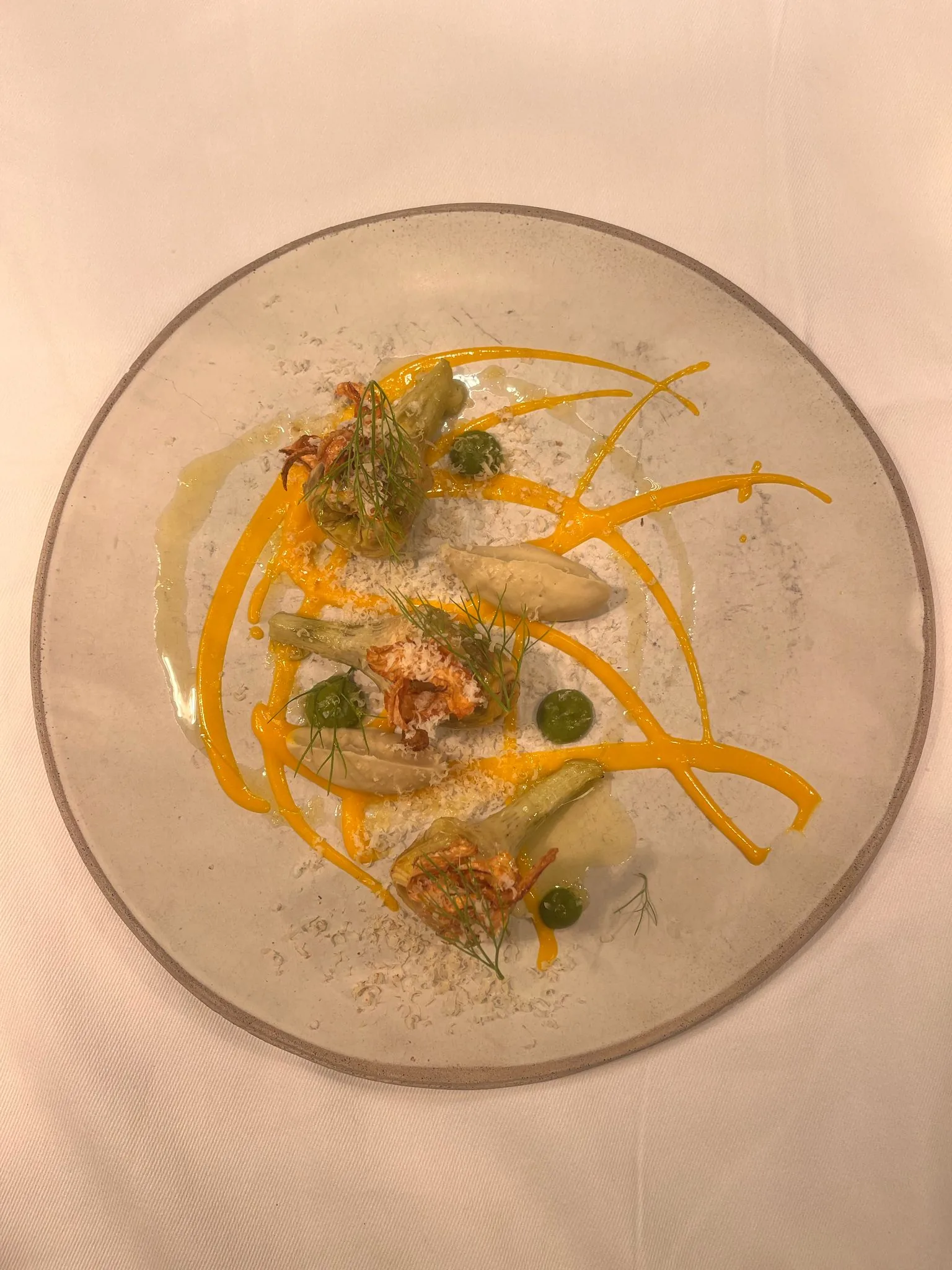
Odd-Number Rule: Visually, placing main elements (proteins, garnishes, sauce drops) in odd numbers creates a much more appealing and balanced perception.
Negative Space: Leaving empty space on the edges of the plate allows the food itself to pop. An overcrowded plate contradicts the minimalist aesthetic of modern fine dining.
Height and Layering: Rather than serving flat on a single plane, using height variations and overlapping components adds dimension and dramatic flair to the dish.
Color Balance: Utilize natural colors to build contrast. A green herb, a purple blossom, an orange coulis — the color palette must be deeply intentional.
Sauce Application: Sauce should never blanket the plate. It should be applied like a masterwork of art in the background, utilizing precise drops, streaks, or abstract forms.
Michelin-Standard Service Flow
- 1Guest Greeting and Seating: Addressing by name, maintaining eye contact, and offering a warm yet highly professional reception.
- 2Beverage Service: Sommelier's aperitif suggestions and water service (expressly asking for chilled or room temperature preference).
- 3Menu Presentation: Briefing on the chef's tasting menu, daily recommendations, and seasonal specialties.
- 4Course Service: Presenting each dish with a concise, poetic explanation. Dropping the plate must sync perfectly with the dining tempo — never rushed, never delayed.
- 5Crumbing (Mid-meal Cleaning): Clearing the table surface meticulously between every single course.
- 6Dessert and Closing: Concluding the ceremony elegantly with petit fours or mignardises alongside coffee or digestifs.
Bringing These Standards to Your Business
While implementing rigorous fine dining standards might not match every casual concept, drawing inspiration from these principles elevates service quality across any segment. In my consulting frameworks, I develop customized service protocols adapted directly to each establishment's unique concept.
Conclusion
Fine dining is the most elevated, elegant form of culinary art. It demands unyielding discipline, absolute mastery of details, and a profound respect for the guest's holistic experience. Adopting this philosophy has the power to transition any restaurant from ordinary to extraordinary.
Next Step
- Definition and criteria: What is fine dining? Michelin standards
- Adapting it to a boutique operation: How to adapt fine dining service standards to a boutique venue
- Implementation support: To build a service protocol around your own concept, see the culinary consulting engagement.