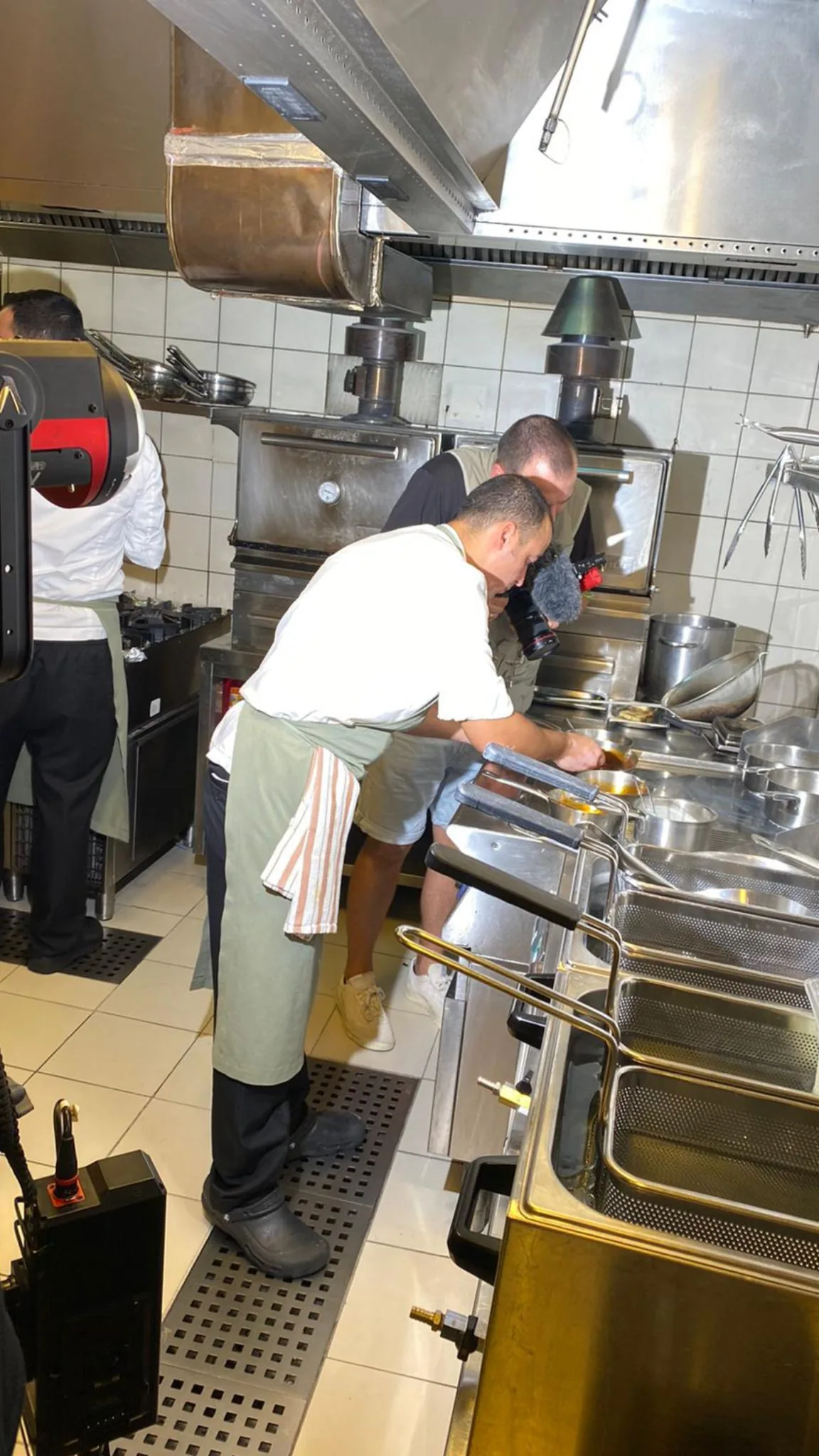
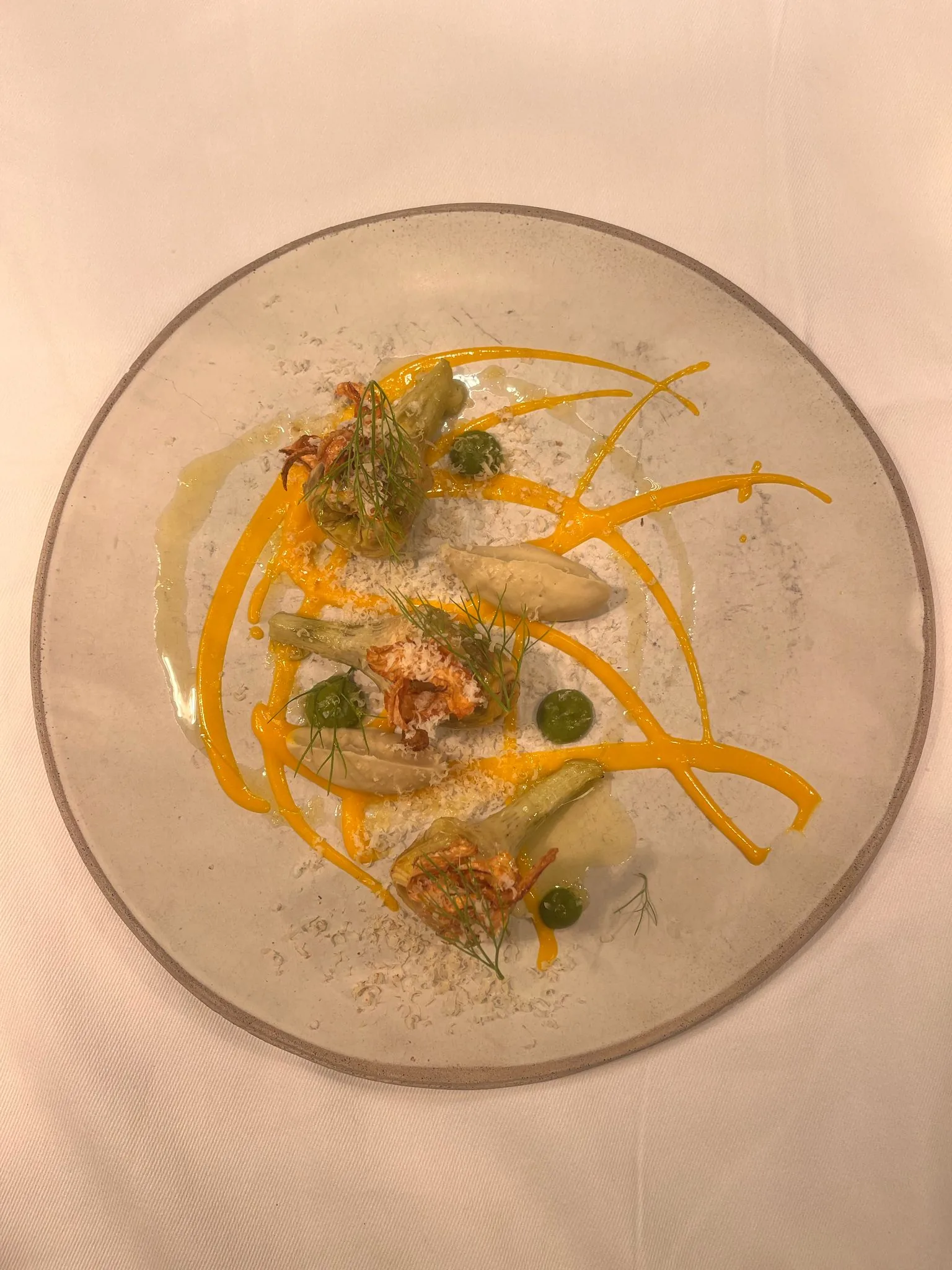
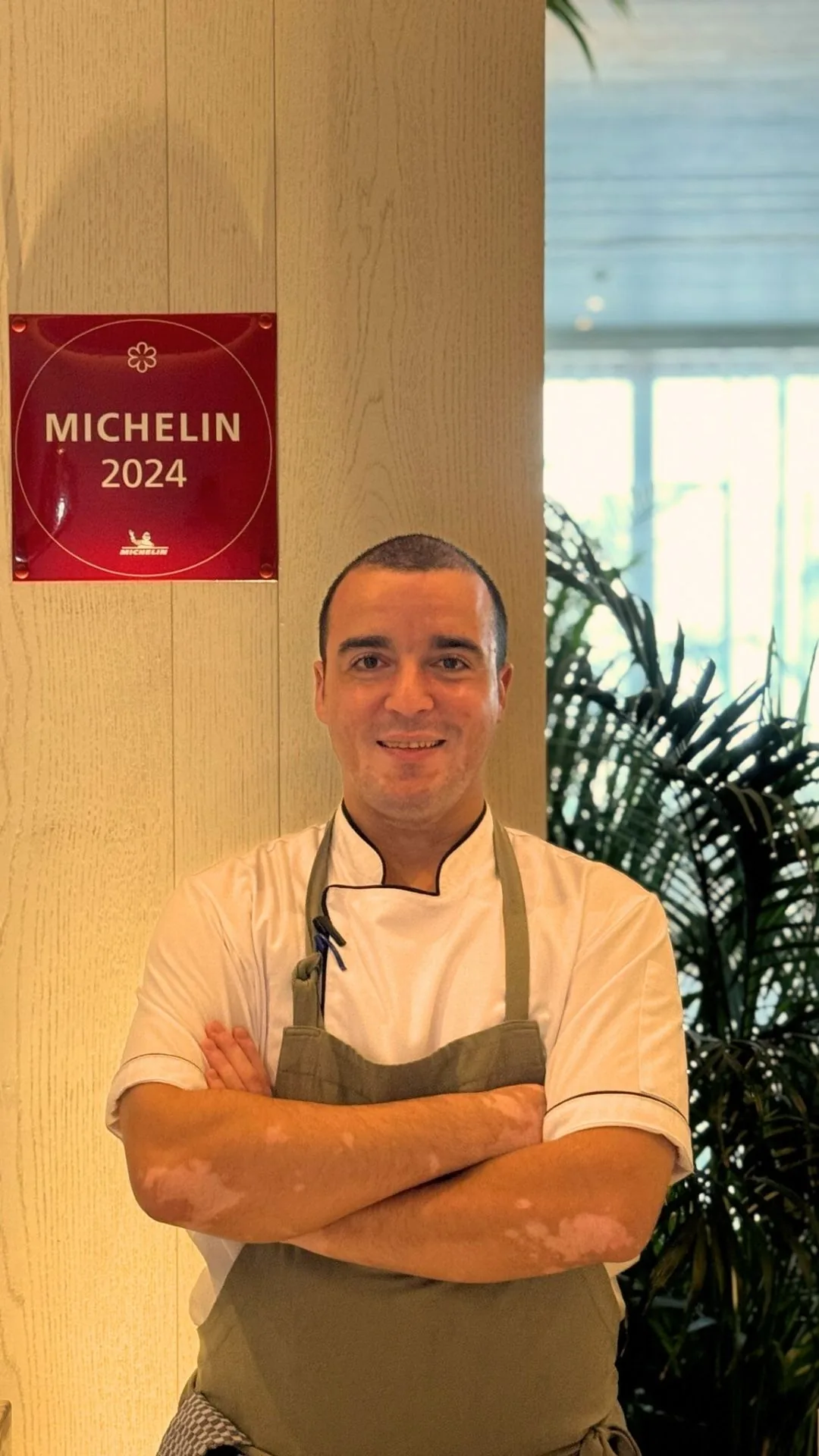
A boutique venue should not copy Michelin ritual. It should translate it.
Many smaller venues mistake fine dining standard for simply becoming more formal. The result is often slower service, less warmth, and a team performing a role it cannot truly carry. The correct move is not imitation. It is translation. The discipline behind Michelin-style service should be adapted to the scale, guest expectation, and rhythm of the boutique business.
What should be borrowed and what should not be copied literally
| Element | What a boutique venue should take | What it should avoid copying literally |
|---|---|---|
| Welcome | Clear, warm, prepared greeting | Cold or overly mechanical distance |
| Menu explanation | Product knowledge and guidance | Overlong speeches and performance |
| Course rhythm | Controlled pacing based on table readiness | Forcing every concept into tasting-menu formality |
| Table awareness | Noticing empty glasses, crumbs, and guest need | Interrupting the guest too frequently |
| Closing | Light and graceful finish | Turning the end of service into a heavy ritual |
The right boutique standard makes the guest feel cared for without tiring them with formality.
Course rhythm is where most boutique venues break
In smaller venues, service often moves either too fast or too slowly. The key lesson worth borrowing from fine dining is that courses should not land before the table is ready, and the kitchen should not lose rhythm while waiting. That requires clean communication between the table and the pass.
This article is the operational continuation of the fine dining service standards guide. It is where theory becomes floor behavior.
Which behaviors the team actually needs to learn
- 1Explaining the product with understanding rather than memorized script
- 2Standardizing table approach and withdrawal timing
- 3Carrying multiple tables without losing rhythm
- 4Detecting the problem before it becomes visible to the guest
- 5Ending the service with grace instead of sales pressure
These behaviors do not transform a venue into a Michelin restaurant overnight. But they do move it from scattered service to controlled service, which is the real gain for boutique operations.
The most expensive mistake: copying the form while missing the substance
Some venues obsess over glass order, napkin folds, or uniform details while keeping product knowledge, table awareness, and pace discipline weak. The room may look polished at first glance, but guests quickly sense that the real standard is missing underneath. That is why this topic should be read together with the Michelin-level kitchen standard guide and kitchen team training. Service standard is not only a dining room behavior. It is a whole-operation behavior.