Michelin standard starts as a system before it becomes a star ambition
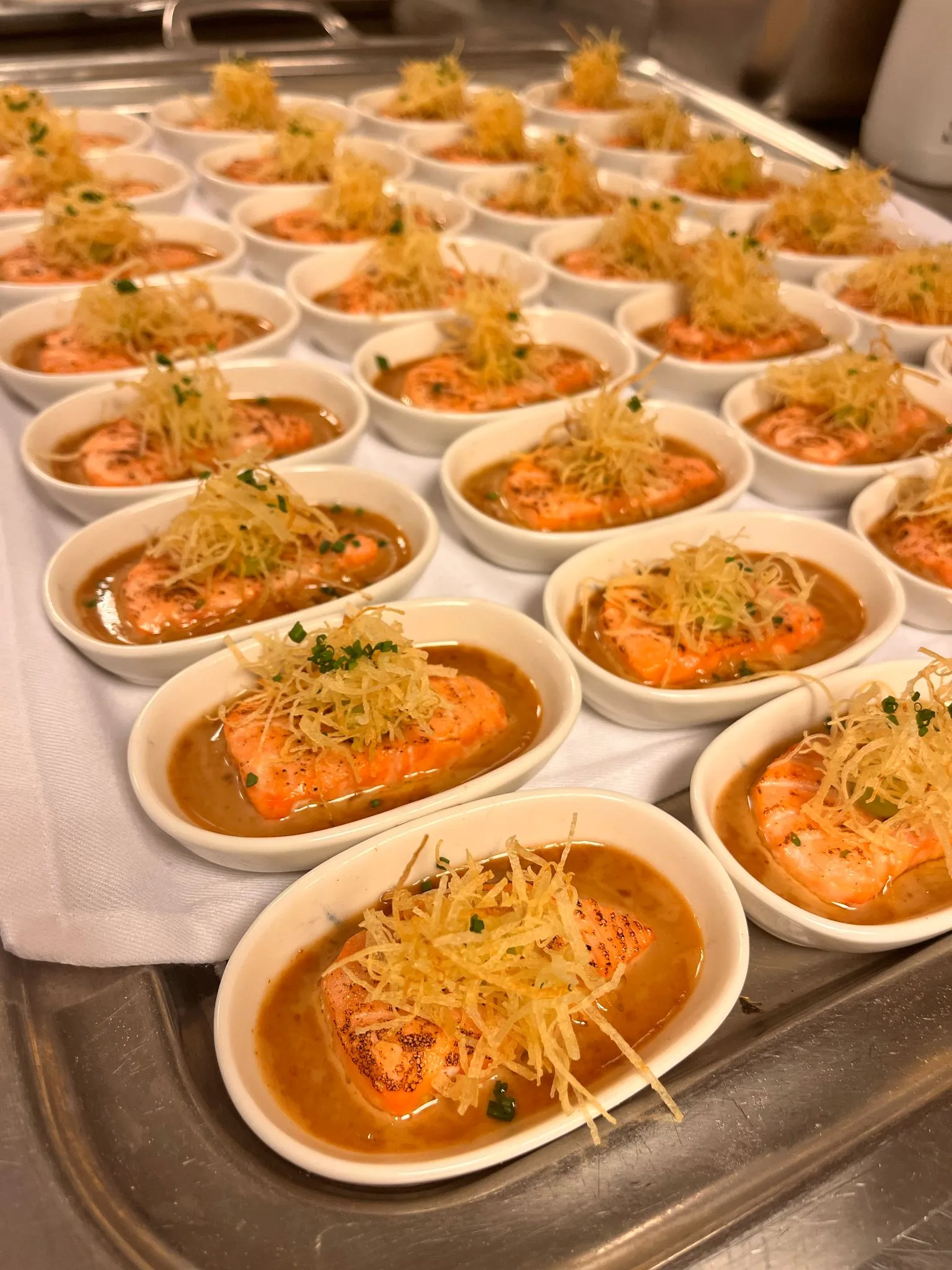
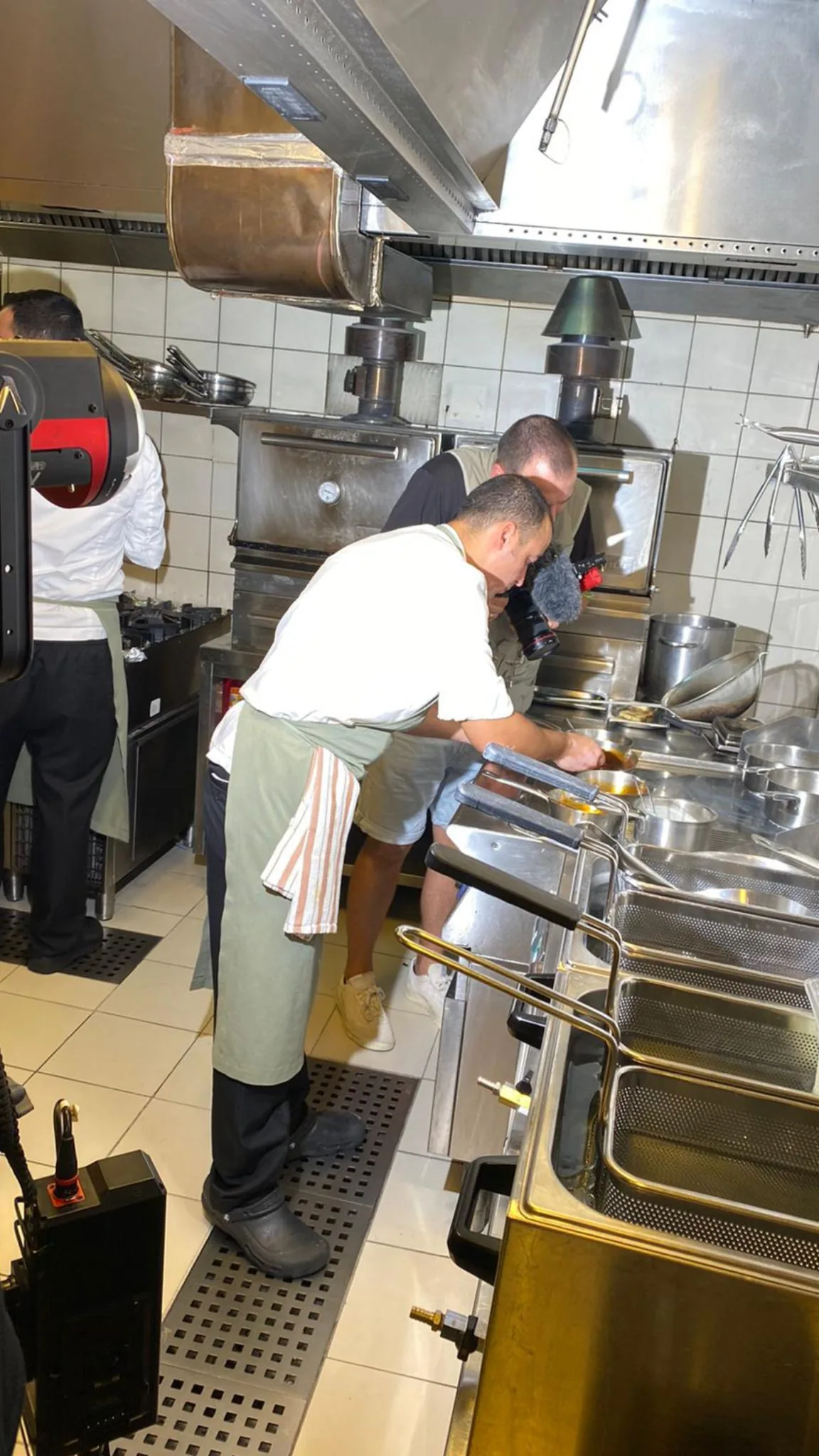
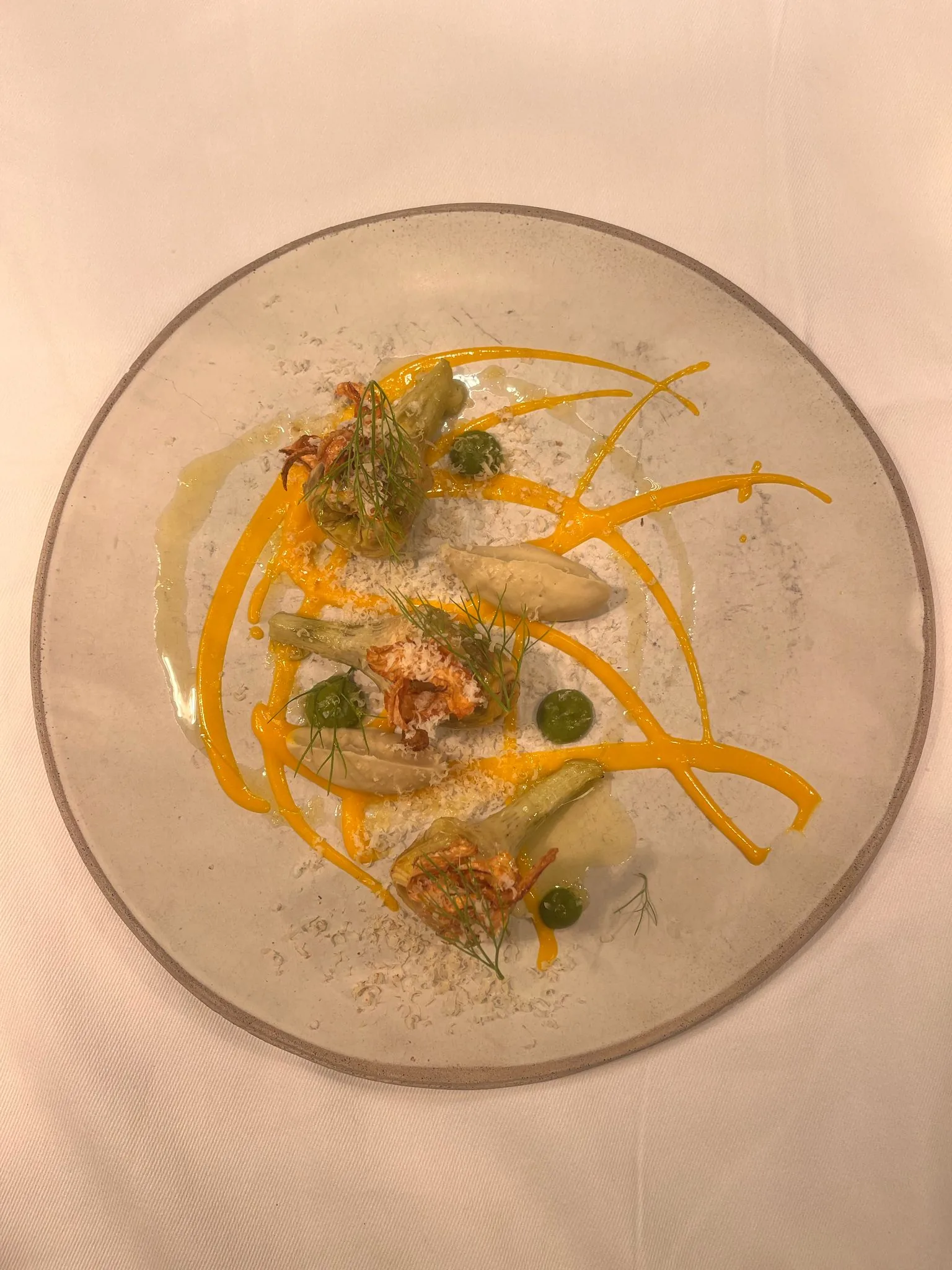
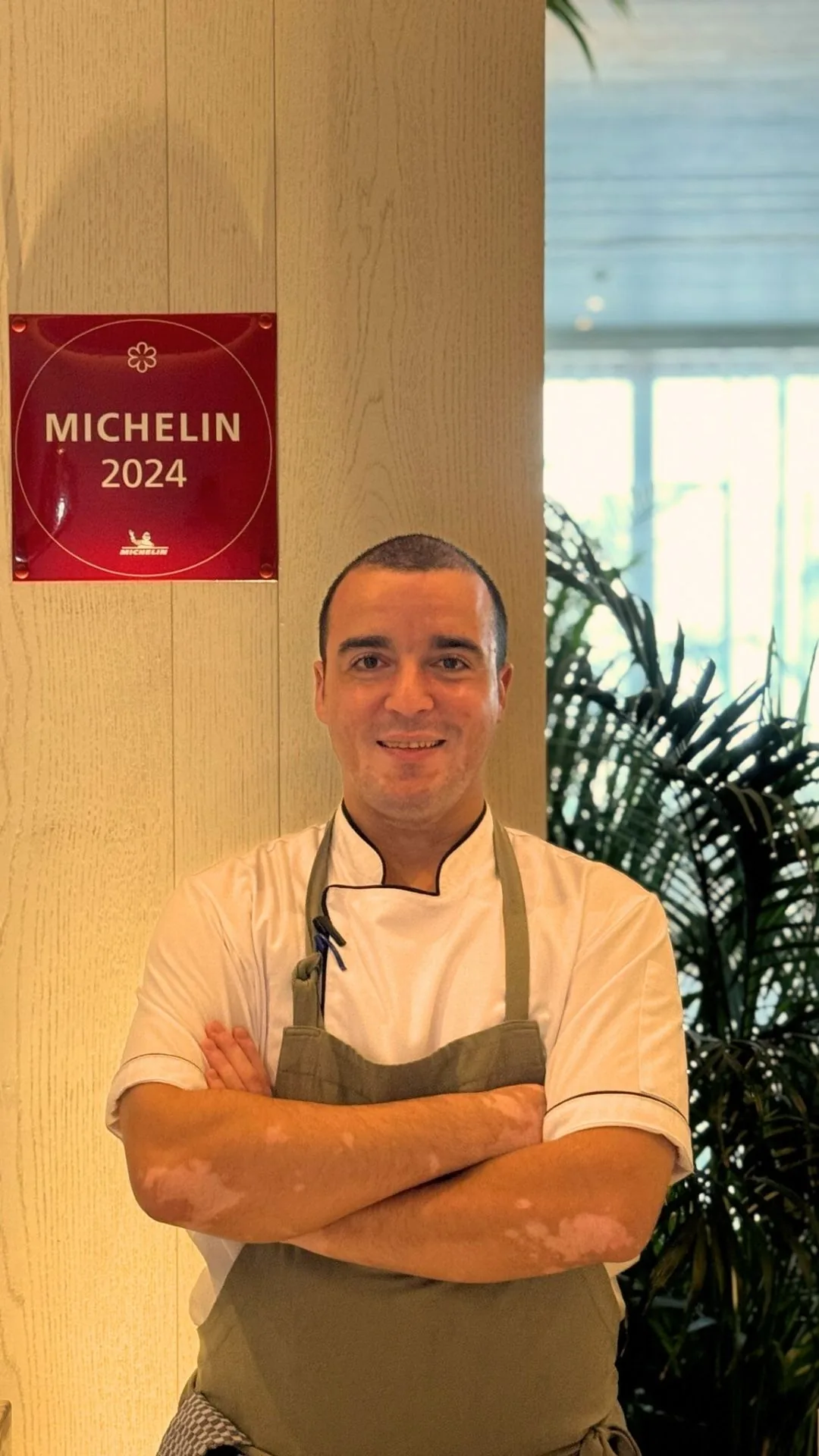
The phrase Michelin level is often misunderstood. Many venues reduce it to plate aesthetics or chef creativity alone. In reality, a Michelin-level standard is an operating discipline where recipe deviation, temperature inconsistency, broken tempo, and quality drift are not accepted even during the busiest service. This guide is written for operators, kitchen leaders, and consultancy-led projects that want to install the standard practically rather than admire it abstractly.
Five pillars need to be built together
| Pillar | What it protects | What breaks when it is weak |
|---|---|---|
| Recipe control | Portion, yield, and finishing consistency | The same plate changes across shifts |
| Mise en place discipline | Makes readiness visible before service | Rush and correction grow at the pass |
| Pass communication | Synchronizes ticket flow and final finishing | Table times stretch and plates land unevenly |
| Product acceptance standard | Protects quality at receiving | The kitchen keeps trying to rescue weak product |
| Post-service review | Prevents yesterday's mistake from becoming tomorrow's habit | The same issue repeats in silence |
A Michelin-level kitchen standard is not created because one of these pillars is strong. It appears when all five move in the same rhythm. That is why the standard must show up first inside the shift, not on a wall.
Which signals prove that the standard is alive
Writing the system down is not enough. You need evidence that it is operating:
- 1The same dish does not drift between the first and last service tables.
- 2New team members integrate into stations faster.
- 3Pass language stays clean when ticket pressure rises.
- 4Off-recipe production is the exception and standard execution is the norm.
- 5Quality does not collapse when the lead chef steps away.
If these signals are weak, the problem is usually not talent first. It is the missing system behind the talent. That is why how to build a professional kitchen team and the 90-day kitchen team training plan belong naturally beside this topic.
Three mistakes that usually destroy the standard
The first is keeping the system inside one strong chef's memory. In that model, quality survives only while that person is physically present. The second is creating SOP files without rehearsing the pass. A written system that has never faced real service pressure is still incomplete. The third is confusing standard with fear. Shouting does not create speed. It contaminates information flow.
Michelin-level execution requires controlled clarity, not theatrical harshness. If every person knows what to do, when to do it, and where tolerance ends, discipline can be built without noise.
Where to start
The cleanest sequence is this:
- 1Write recipe and finishing standards for the critical dishes.
- 2Build mise en place checklists for each station.
- 3Standardize pass language and service calls.
- 4Make receiving criteria visible and non-negotiable.
- 5Use a 10-minute post-service review to stop mistakes from rolling forward.
This framework connects directly to kitchen team training and operations improvement. Michelin-level performance is not one perfect evening. It is a system capable of reproducing quality repeatedly under pressure.