Why the first 90 days are decisive
The quality of a kitchen team is rarely defined on the hiring day itself. It is defined by the rituals installed in the first 90 days. That is the window in which recipe discipline, communication language, hygiene habits, and service behavior become durable. Training is not a one-week orientation. Without repetition, measurement, and shadowing, the team receives information but does not change behavior.
Days 0-30: make the standard visible
The first phase is about clarity, not speed. Every team member should hear the same language around:
- station ownership
- recipe and gram-weight discipline
- mise en place checklists
- hygiene and allergen protocol
- pass communication format
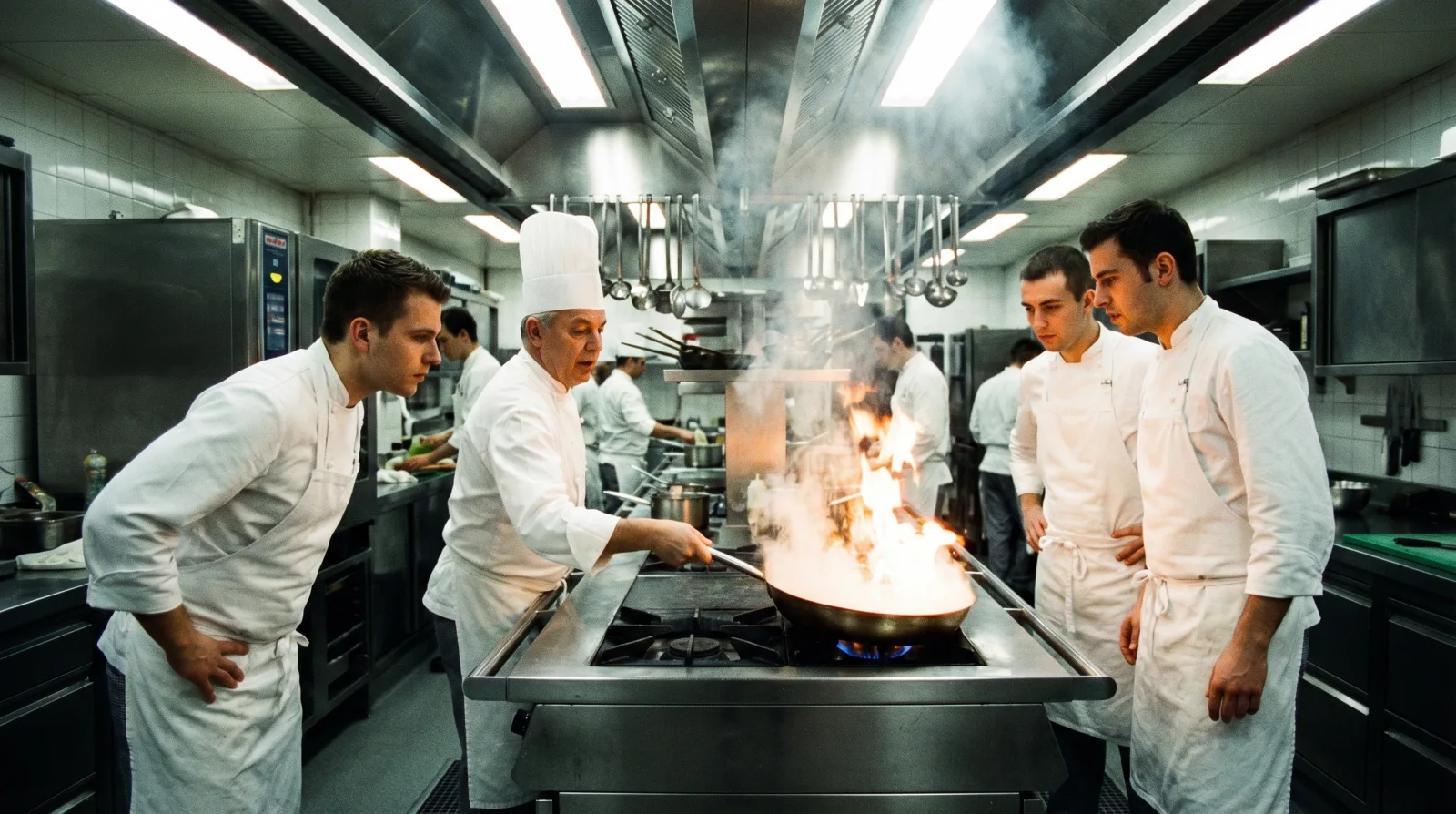
This phase requires close observation and shadowing. The chef or sous chef should not only explain the standard. They need to show it repeatedly.
Days 31-60: build muscle memory through repetition and cross-learning
In the second phase, the team should begin understanding not only its own role but also the rhythm of adjacent stations. Fragile teams break during heavy service when they operate as isolated islands. Strong teams read each other.
| Phase | Main focus | Expected output |
|---|---|---|
| 1-30 | Learning the standard | Error sources become visible |
| 31-60 | Repetition and cross-station work | Support capacity grows between stations |
| 61-90 | Pressure testing and leadership | Consistency becomes durable under service |
Daily briefings, pre-service tasting, post-service review, and weekly mini-evaluations should all become fixed rituals in this phase.
Days 61-90: test consistency under pressure
The final phase is about proving whether the system survives real intensity. Does the recipe drift under pressure? Does pass language break? Does closing discipline collapse when the team is tired? Until these questions are tested, training is not complete.
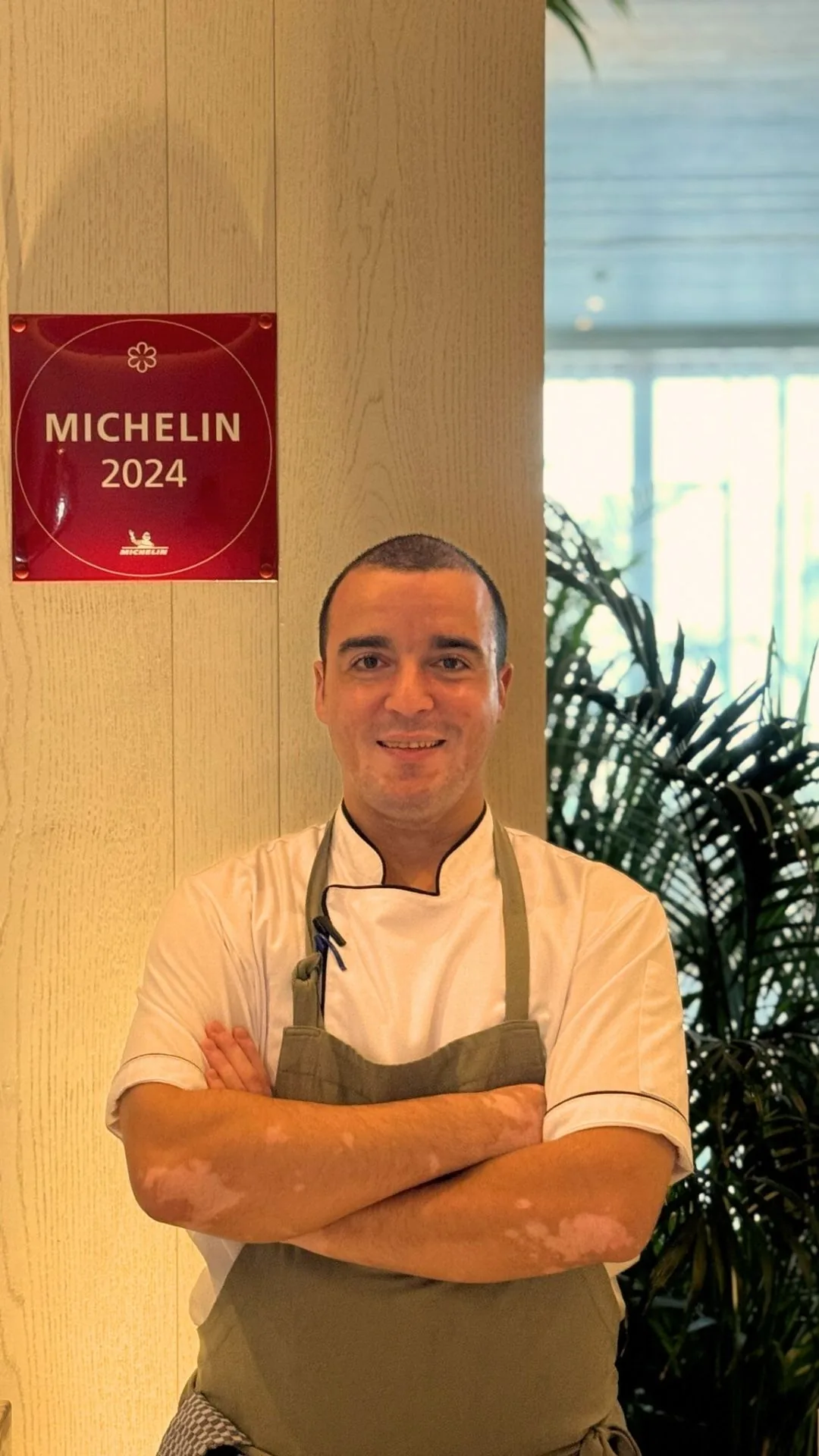
This is where the Michelin-level kitchen standard guide becomes relevant. The goal of the training plan is not only learning. It is making the standard survive beyond the presence of one strong chef.
Which rituals should stay fixed each week
- 1A daily 10-minute briefing
- 2Pre-service tasting and recipe check
- 3A short debrief after every shift
- 4A weekly mini-review of waste and food cost
- 5An individual development conversation every two weeks
Without these rituals, training stays fragmented. Read together with how to build a professional kitchen team and what food cost range is actually healthy, this article makes clear that training is not only a people issue. It is also a margin and service-standard issue.
What should be measured by day 90
The best indicators are:
- off-recipe production rate
- performance loss during station movement
- ticket time deviation
- closing checklist completion discipline
- onboarding speed of new hires
If these metrics are still scattered at day 90, the weakness is often not the people first. It is the way the training system itself was structured.