How to Build a Professional Kitchen Team to Michelin Standards
A restaurant's success depends on the team beating at the heart of its kitchen. Even the most creative menu remains on paper without the right people to bring it to life. The brigade system, refined over more than a century, forms the backbone of professional kitchens and — when adapted for modern operations — lays the foundation for culinary excellence.
The Brigade System: Military Precision in the Kitchen
Developed by Auguste Escoffier, the brigade system divides the kitchen into clearly defined roles and responsibilities:
- Executive Chef: Responsible for menu development, cost control, and the overall culinary vision of the establishment.
- Sous Chef: Manages daily operations and steps in when the Executive Chef is absent. The Sous Chef is the operational backbone — the person who converts vision into daily reality.
- Chef de Partie (Station Chef): Manages a specific station such as hot, cold, or pastry. Each station must run autonomously during service, even under extreme pressure.
- Commis (Junior Chef): Chefs in the learning stage who support the station chefs and develop foundational skills through repetition and observation.
This hierarchy is not about ego — it is about clarity. In a high-volume service, ambiguity kills speed. Every person must know exactly what their job is and execute it without waiting for instruction.
Hiring the Right People
In the recruitment process, character assessment is as critical as technical skill. The ability to stay calm under pressure, teamwork orientation, and a genuine willingness to learn are prerequisites for success in Michelin-standard kitchens.
Trial shifts (stage) are mandatory. Observing a candidate's performance in a live operational environment provides far more valuable insight than any interview. I watch three things during a trial: how they organize their station, how they respond to correction, and how they communicate with the team around them.
Avoid hiring purely on reputation. A chef who thrived in a different kitchen culture may not fit yours. Alignment with your values and standards matters more than a prestigious CV.
Training Methodology
A professional kitchen team develops through continuous training. My training framework operates across four axes:
Technical skills: Advanced cooking techniques, protein handling, sauce preparation, and plating art. The goal is for each individual to master their own station while gaining flexibility through cross-training on adjacent stations. A Commis who only knows one station is a liability during service; one who knows three is an asset.
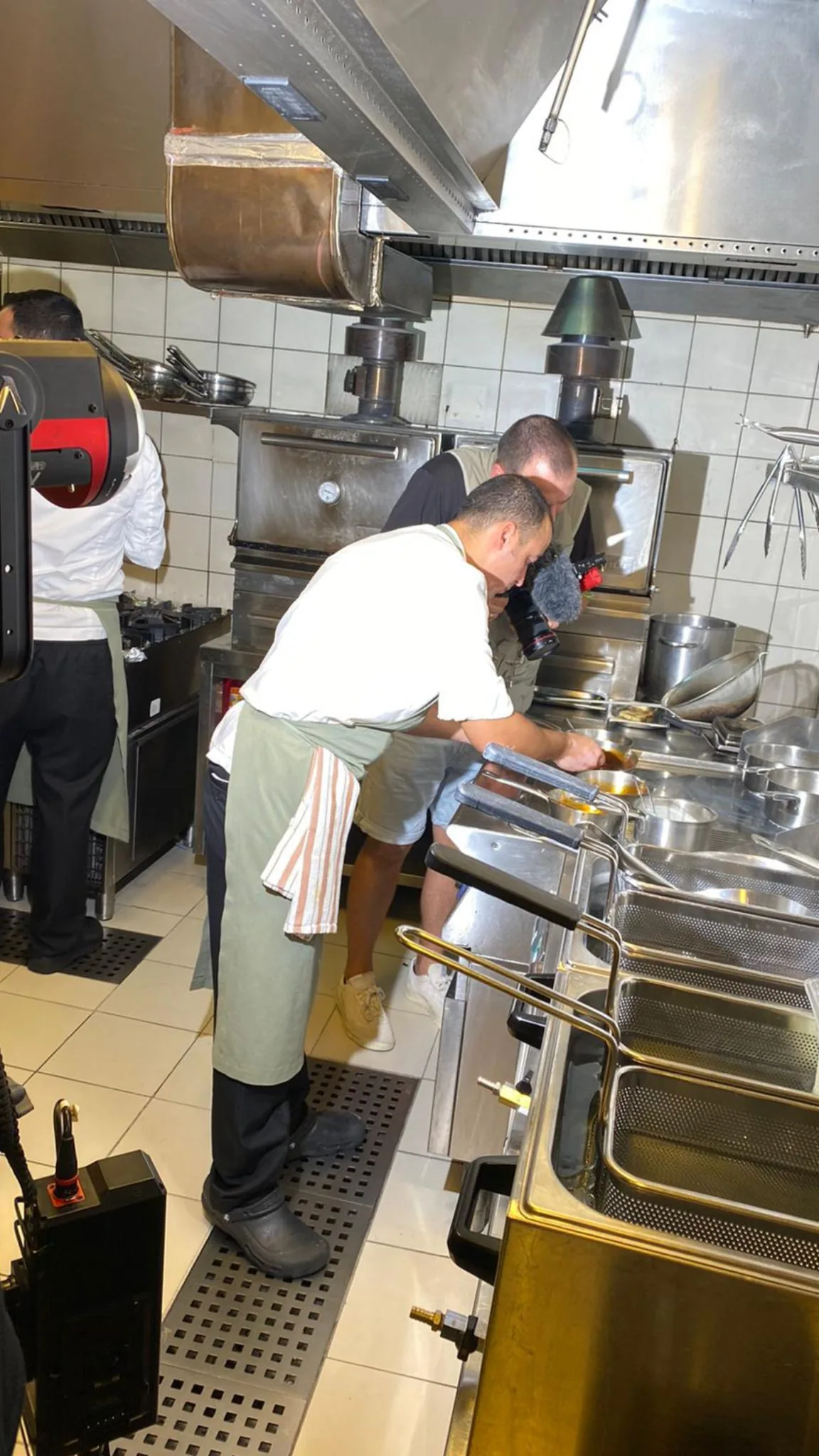
Operational discipline: Mise en place culture, time management, and communication protocols. "Oui, Chef!" is not just a response — it is a system of acknowledgment that prevents orders from being lost or duplicated during high-pressure service. Clear callouts, clean pass management, and timed prep schedules are all part of this discipline.
Hygiene and safety: HACCP procedures, temperature controls, allergen management, and cleaning standards. There is zero tolerance in this area. A single food safety failure can destroy a restaurant's reputation overnight. Every team member must understand not just what the rules are, but why they exist.
Personal development: Leadership skills, stress management, and career planning. A good chef manages not only today's performance but also each team member's future potential. I allocate time for one-on-one conversations about career goals because a cook who sees a growth path will give you their best work.
Motivation and Team Culture
The kitchen is an inherently high-stress environment. Building a sustainable team culture means replacing the old shout-and-shame model with one built on respect, accountability, and earned trust.
Regular performance reviews, individual development goals, and consistent recognition of achievement keep motivation and team loyalty at the highest level. Celebrate the small wins — a perfect service, a new technique mastered, a personal best on prep speed. These moments compound into a culture where people want to stay and improve.
The financial cost of replacing a trained cook — recruitment, trial, onboarding, speed-to-full-capacity — is far higher than the cost of retaining one through fair treatment and growth opportunities.
My Personal Experience
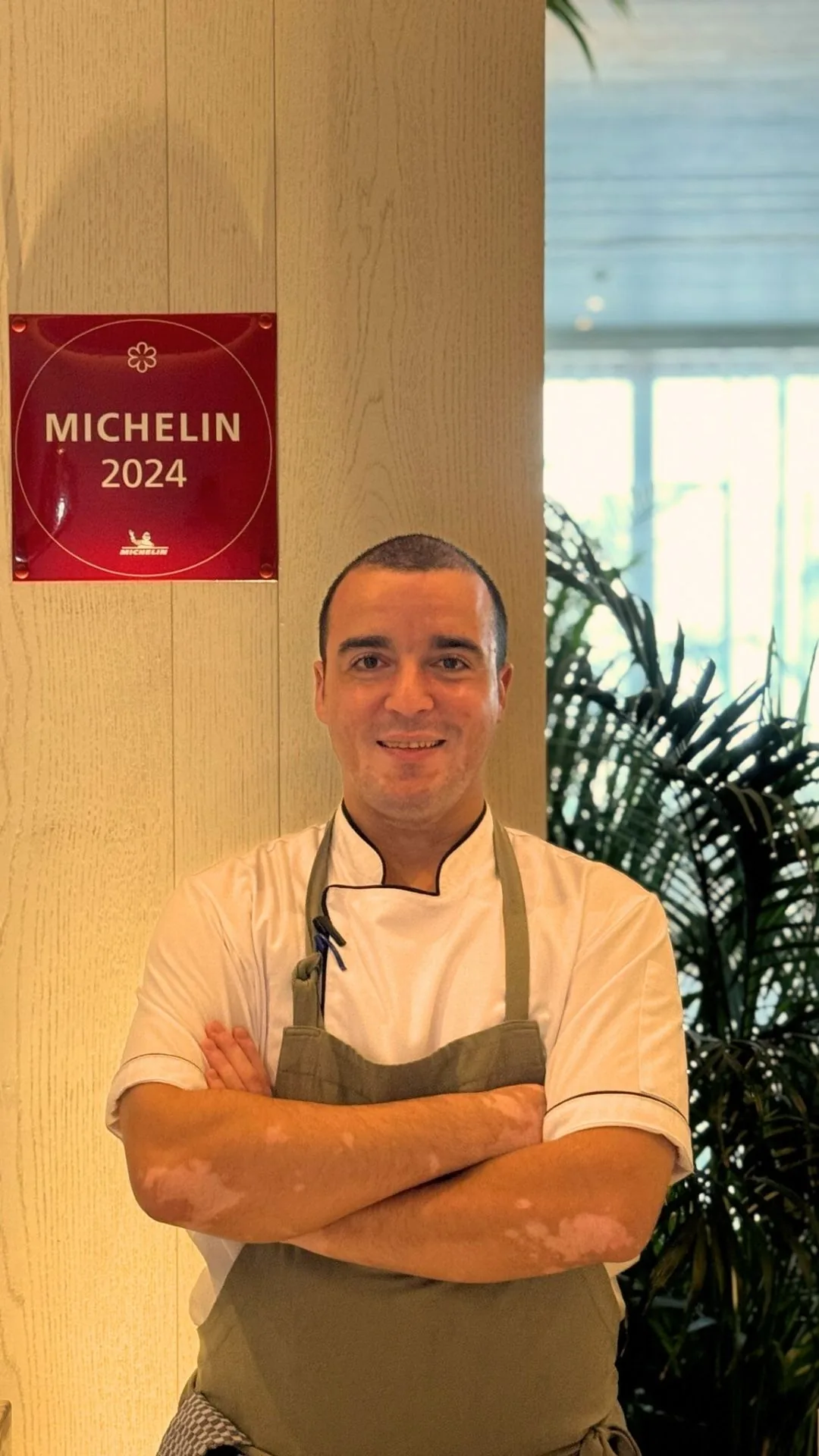
Working in Michelin-starred kitchens showed me firsthand that the dishes earning the star and the team harmony behind them are equally decisive. At OD Urla by Osman Sezener, I experienced how maintaining a star is often harder than earning one — it demands relentless consistency from every team member, every service, every day.
This is why I place special emphasis on team structure in every consulting project I undertake. A well-built team can handle any menu change, any unexpected guest count, and any operational challenge. The menu is the plan; the team is the execution.
Key Takeaways for Restaurant Operators
- 1Hire for character, train for skill. Technical gaps can be closed through coaching; attitude cannot be taught.
- 2Systematize everything. Standard recipes, prep timelines, and communication protocols remove ambiguity and protect quality.
- 3Invest in cross-training. A team with station flexibility survives busy services and sick days without collapsing.
- 4Build a feedback culture. Daily briefings and post-service debriefs turn every shift into a learning opportunity.
- 5Retain through growth. The best kitchens are the ones people do not want to leave.