Fine Dining Service: Mastering Technique and Psychology
Fine dining service is not merely a server delivering plates. It is an art form that transforms the chef's creativity and kitchen's technical mastery into the guest's perception and emotion.
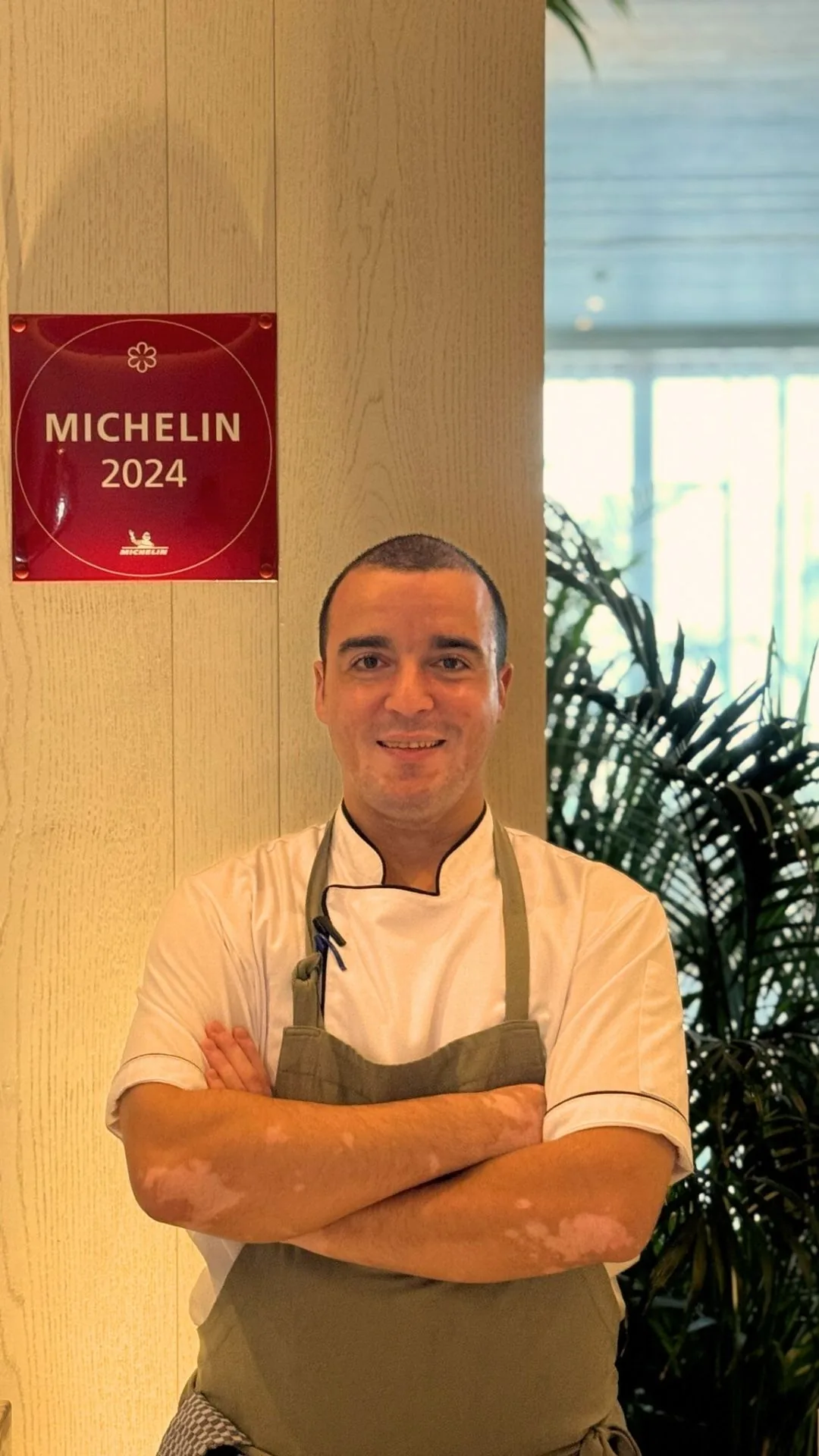
Servers in Michelin-starred kitchens know: if service quality doesn't match food quality, the inspector doesn't award a star. Michelin measures not just technique; it measures the entirety of experience.
Service Protocol: Right and Left Service
Fine dining's fundamental principle: right-hand service, left-hand clearing. Why? Because this motion signals excellence and professionalism.
Right-Hand Service Protocol:
- Plate is presented from the guest's right
- Plate is positioned at arm's length
- Service fork supports the plate on the left
- Each plate is presented individually
Left-Hand Clearing:
- Empty plates are cleared from the left
- Server never turns to the guest's right
- Clearing never touches remaining food
These protocols build trust through controlled movement.
Guest Psychology: Reading and Adaptation
Fine dining service is psychology reading and quick decision-making. Some guests are talkative, others silent. Some are hungry, others immersed in experience.
Observation Cues:
- Guest pausing conversation? Slow service rhythm
- Making eye contact? Wants more interaction
- Plate finishing before new course? Accelerate
- Silence—peaceful or bored? Critical distinction
Service Pace and Timing: Creating Rhythm
A tasting menu requires 3-4 hours of planning. Waiting time between courses, service speed—all affect guest mood and satiation.
Timing Rules:
- First course: 15-20 minutes (guest excited)
- Middle courses: 20-25 minutes (conversation and digestion balance)
- Final courses: 10-15 minutes (satiation rising)
But formulas never fit all situations. If guest is hungry, accelerate. If deep in conversation, extend the wait.
Crisis Management: Handling Errors
Server professionalism is measured by reaction to error. Correct response builds trust.
Correct Crisis Management:
- 1Notice immediately
- 2Never apologize; say "This plate isn't at the chef's desired temperature"
- 3Offer solutions proactively
- 4Trust is won not by avoiding error but responding correctly to it
Server Training: Personalization
Protocol-bound service isn't hospitality. Protocol is foundation only. A good server knows protocol yet makes it invisible.
Successful Server = Invisible Server
Fine dining experiences aren't remembered for "amazing servers." They're remembered for the food and experience itself. When guests leave, they don't say "that server was brilliant"; they say "that evening was one of my life's best."