The Narrative Foundation of Tasting Menus
A tasting menu is not a list of dishes served across an evening. It is a dramatic structure: opening, tension, climax, and closing. A chef who does not embrace this framework produces an experience that may be technically flawless yet emotionally hollow.
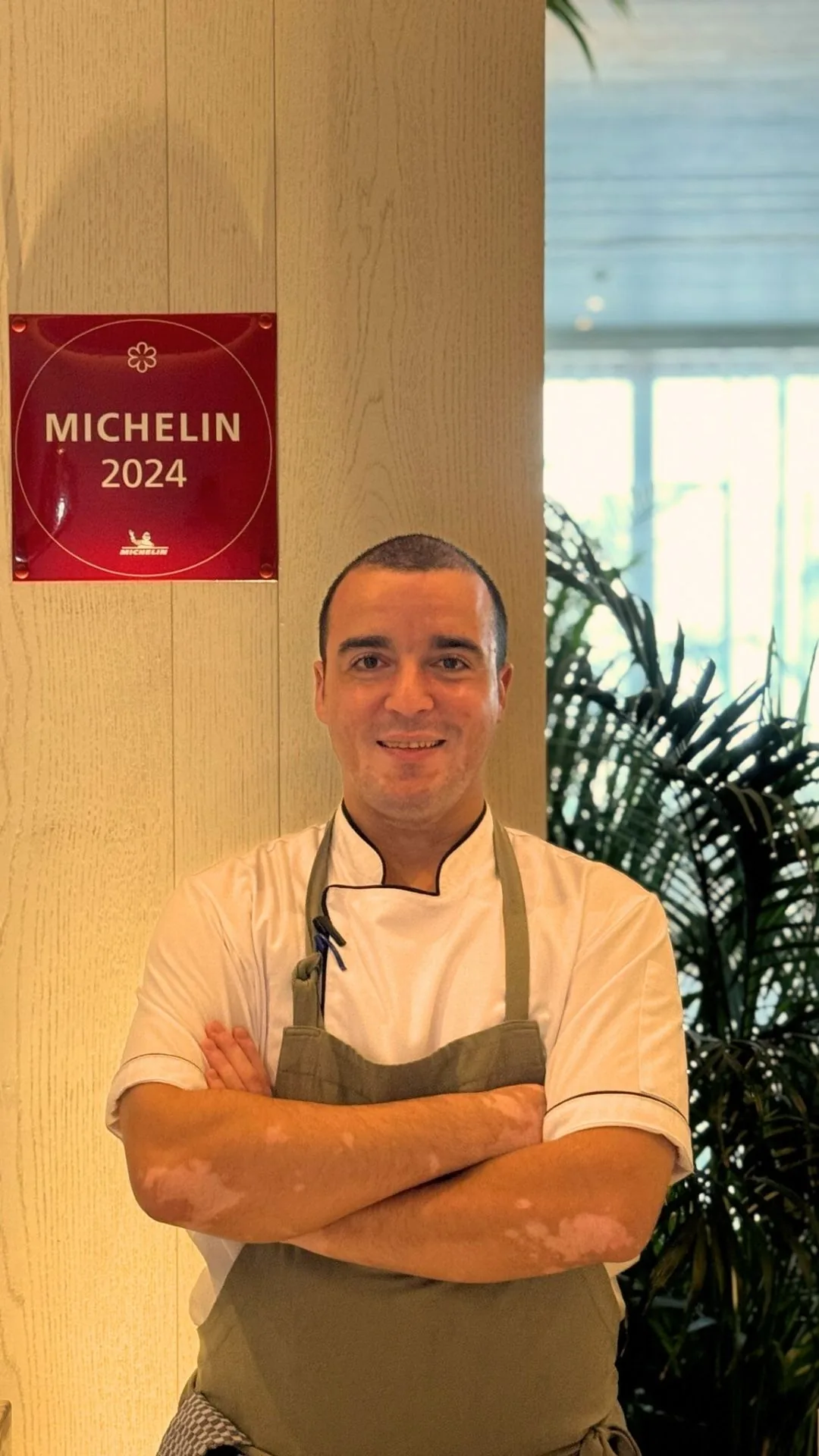
Michelin inspectors, when evaluating a menu, look for a coherent narrative thread. Does the expectation set at the first bite find its resolution in the final mouthful? Does the menu have its own internal logic and flow? The answers to these questions form the implicit criteria that shape the evaluation score.
The narrative foundation is built by asking: What is this menu about? Which ingredient, technique, or cultural reference carries the central theme? How should the guest feel when the menu ends?
Progression Principles: Light to Intense
The general rule is to open with light, fresh flavours and close with intense, umami-rich ones. But this rule should not be applied dogmatically. The amuse-bouche sequence already completes the mental and palate preparation; the first formal course that follows must be delicate.
Classic progression scheme:
Courses 1-3: light, refreshing, seasonal signal
Courses 4-6: developing intensity, primary technique showcase
Courses 7-9: protein and umami peak, signature dish
Courses 10-12: palate reset, dessert transition, close
The goal is not to follow this schema every time. The goal is for guests to feel carried by a current — curious about what comes next, never questioning why.
Rhythm, Tempo, and Breath Points
Tempo management directly shapes a physical experience. If course intervals are too short, the guest becomes overwhelmed; too long and the connection breaks. The optimal interval is 12 to 18 minutes.
Plan a breath point every three courses. This is typically marked by an amuse, a signature service ritual, or a wine pairing moment. Bread presentation, a small palate cleanser, or a tableside preparation can all serve this function.
The service team's plate-clearing, resetting, and narration times are a real component of kitchen tempo. Menu design should plan for service intervals, not only what is on the plate.
Where the Signature Dish Lives
The signature dish must be placed at a decisive point in the menu's anatomy. Too early, and every other course pales by comparison. Too late, and the guest's evaluative capacity has diminished under fatigue.
Optimal placement: the 50-70% mark of the menu. In a ten-course menu, that is the fifth to seventh course. This is the moment when guest concentration peaks and fatigue has not yet set in.
The courses immediately before and after the signature must also be designed with intent. The course before should build toward it. The course after should resolve it.
A Practical Menu Architecture Framework
When designing a new tasting menu, use this framework:
- 1Identify the central theme and three key ingredients.
- 2Determine course count and estimate total service time. 90 minutes is the floor, 3 hours the ceiling.
- 3Map the progression scheme on paper, assigning each course a colour, intensity level, and technique category.
- 4Lock the signature dish's position. Design the surrounding courses around it.
- 5Define a "why" for each course: what part of the story does this course tell?
- 6Run test services and record tempo data.
- 7Share the narrative of the menu with both kitchen and floor teams in briefings.
This framework is the disciplined path to embedding technical detail inside a coherent narrative structure.