
What Is a Tasting Menu?
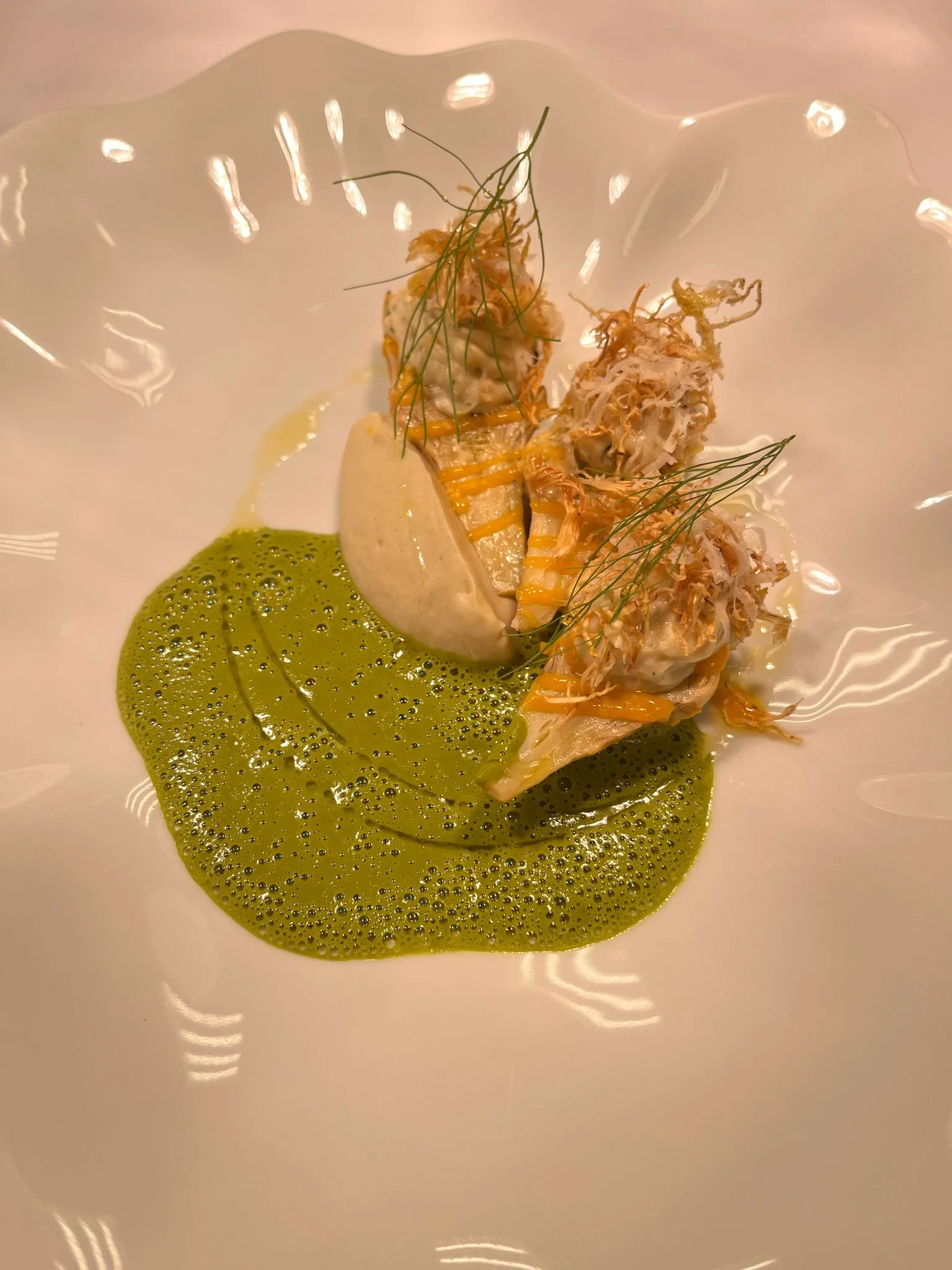
A tasting menu is a fixed-price, multi-course menu format entirely composed by the chef and served in a specific sequence. It is also called a "degustation menu" or, in Turkish, "fix menü" — all three describe the same format. Unlike à la carte, the guest does not choose individual dishes; instead, they follow the experience the chef has designed for that season or evening, course by course.
How Many Courses Does It Have?
Tasting menus typically run between 5 and 12 courses, depending on the restaurant's concept and the intended length of the experience:
| Course Count | Typical Duration | Common Use |
|---|---|---|
| 5-7 courses | 1.5-2 hours | City fine dining, evening dinner |
| 8-10 courses | 2.5-3 hours | Michelin-level experience, private event |
| 10+ courses | 3+ hours | Signature experience, celebration menu |
Tasting Menu vs À La Carte
In à la carte dining, the guest selects each dish individually and service pace follows their choices. In a tasting menu, sequence, pace, and portion size are all pre-composed by the chef — which demands a far higher level of prep discipline and kitchen synchronization. This is why the tasting menu format is considered the most demanding real-world test of mise en place discipline.
When Is a Tasting Menu the Right Choice for a Private Event?
For private events held in a villa, yalı, or residence, a tasting menu is the strongest format when guest count is controlled and the food itself should be the center of the experience. Because service flow is more predictable than à la carte, it also works well in home kitchens or venues with limited equipment.
Conclusion
A tasting menu is a fixed-price, sequential format the chef composes like a narrative. The course count and pace vary, but the goal stays the same: freeing the guest from decision-making and handing them the experience instead.