We eat first with our eyes
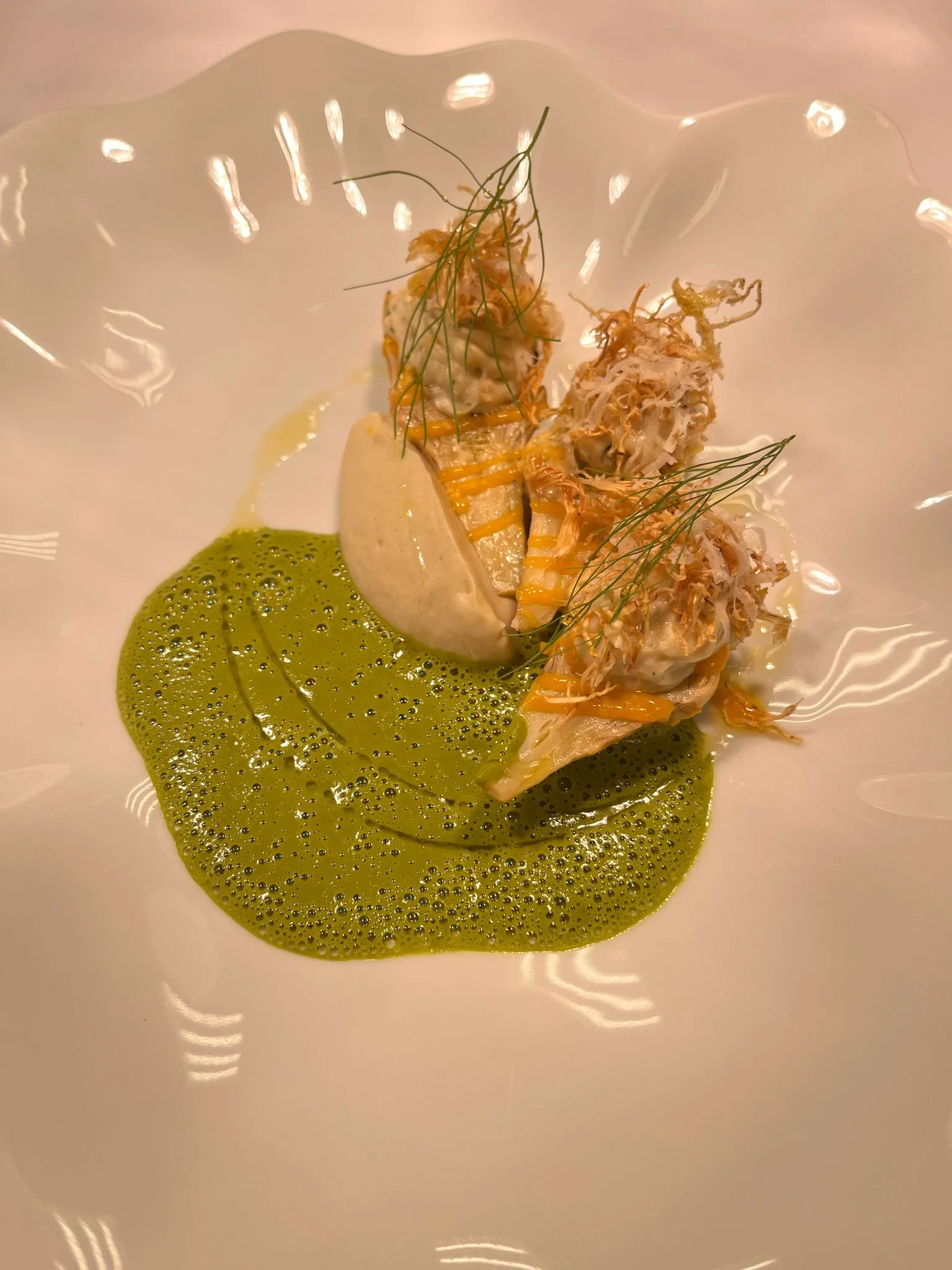
In modern gastronomy, flavor can never fully reach its potential without strong visual presentation. Plating is the most direct way to communicate with the guest and deliver the chef's vision from plate to palate. At Michelin level especially, plate design carries as much weight as technical execution.
Five foundational plating principles
Drawing from years of experience in Michelin-level kitchens, successful plate design rests on five principles:
1. Negative space: Filling every centimeter of the plate creates visual fatigue. Empty space lets the eye breathe and positions the hero ingredient more powerfully. Leaving at least 40% of the plate open is the baseline of professional plating aesthetics.
2. Hero ingredient focus: Every element on the plate — sauce, garnish, salt crystals — exists to support the hero ingredient. The hero is positioned in the most visually prominent spot, at the highest point, or in its purest form.
3. Color contrast: Placing contrasting colors side by side generates visual energy. Purple beetroot purée against white curd cheese, vivid green herbs on a dark sauce, black sesame on a golden prawn — all of these activate the eye-brain relationship in the guest.
4. Texture balance: A single texture fatigues both eye and palate. A creamy plate needs crunch or roughness. Veloutée and crumble, emulsion and fresh herb, roasted vegetable and gel — texture combinations keep the plate alive from first look to last bite.
5. Height and architecture: Flat plates lose energy. Gentle height and layering (sauce base — protein — garnish — herb tip) create a three-dimensional quality that elevates even simple ingredients.
Equipment and tools
Standard plating tools used in Michelin kitchens:
| Tool | Primary use |
|---|---|
| Tweezers (pinset) | Micro-garnish, flowers, and fine-component placement |
| Squeeze bottle | Sauce dots, droplet patterns, lines |
| Offset spatula | Purée smears, swipes, and spreading effects |
| Ring mold | Tall, cleanly layered portions |
| Micro planer | Shaved finishing elements (citrus zest, vegetables, parmesan) |
The most common plating mistakes
- Over-saucing: Sauce running across the plate looks chaotic and pulls focus from the hero.
- Non-functional garnish: Decorative elements with no flavor relationship to the dish (roe on a meat plate, pomegranate on a fish dish) weaken meaning without adding value.
- Single texture: Soft on soft plates create visual and palate monotony.
- No visual anchor: Without a dominant hero element, the eye has nowhere to land and the plate reads as confused.
Michelin-level plating and flavor coherence
In Michelin criteria, presentation alone does not earn points — but if it fails to integrate with flavor, it costs them. A plate is a design success when it can tell the story of what is inside it. This is why reading fine dining service standards and Michelin star criteria alongside plating principles is important. Strong plating alone will not carry a dish to star level, but weak plating will definitely block it.