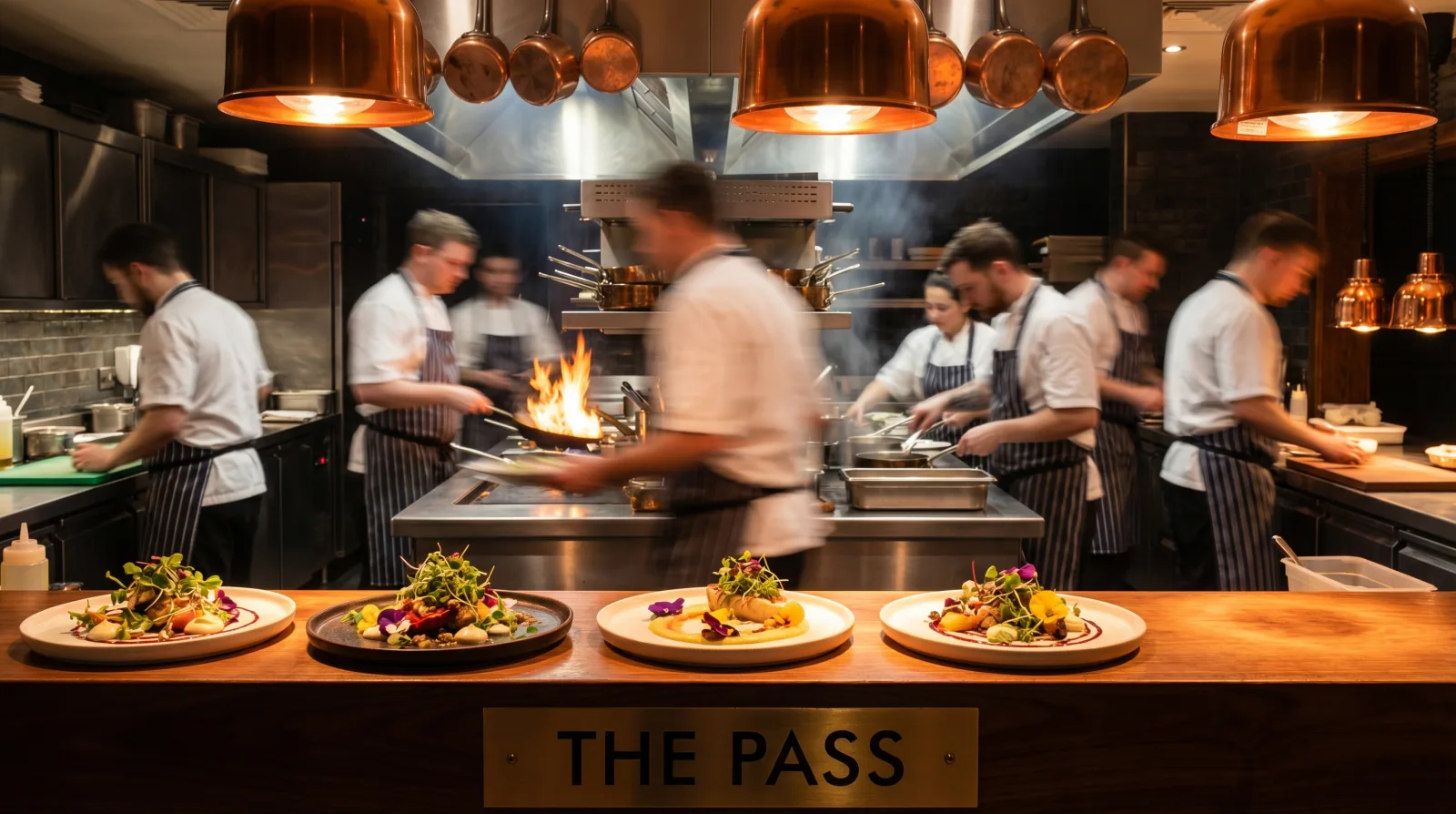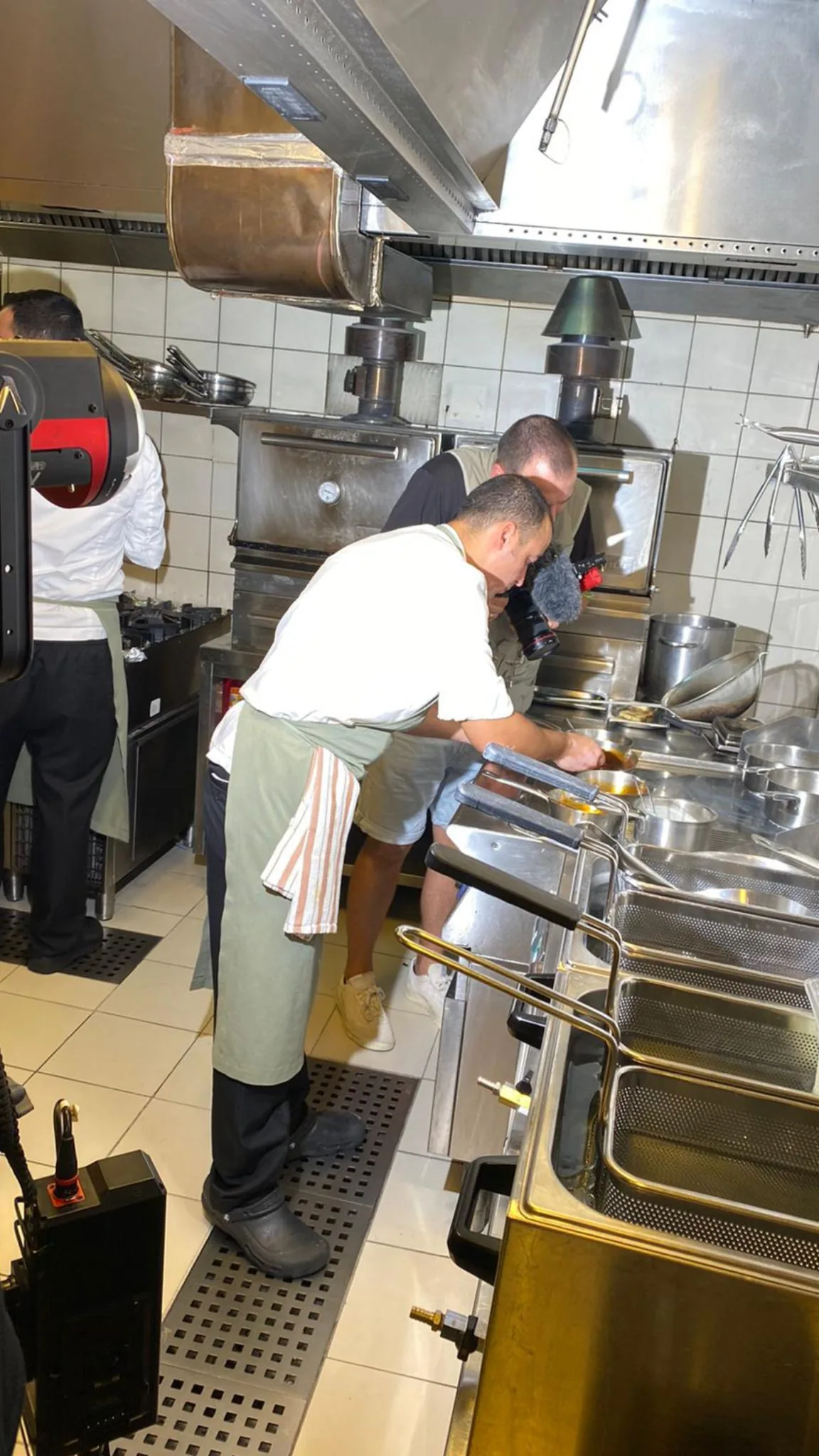


Why Closing Is as Important as Service
Many kitchen teams do not give the closing routine as much importance as opening or service. Yet the quality of closing directly determines the next day's opening. A disorderly closing means storage errors that break the cold chain, hygiene risks from uncleaned equipment, and staff working harder during lunch service because of incomplete prep.
In professional kitchens, the closing protocol is written, task division is clear, and handover is documented.
The Three Blocks of the Closing System
Block 1: Food Safety and Storage
The first block of the closing process concerns food safety. This block includes:
Temperature Check: Have all items entering the cold chain been stored at the correct temperature? Surface temperatures should be measured one by one and recorded.
Labelling: Every container should have a date and contents label. An unlabelled container becomes unknown to the next shift; this means both waste and risk.
Separation of Ready-to-Eat Foods: Raw proteins and ready-to-eat foods must be stored on separate shelves. The closing check confirms this separation.
Waste Management: Disposing of or marking materials that will not be used supports both cost control and hygiene.
Block 2: Equipment Maintenance and Cleaning
Equipment cleaning is not just a visual standard; it is a guarantee of long-term equipment life and hygiene.
Grill and Hob Surfaces: Surfaces used for high-heat cooking should not retain accumulated carbonised residues. Daily cleaning protects both the next day's flavour and equipment life.
Fryer Oil: When fryer oil should be changed must be measured with a defined criterion. Colour and smoke point are standard indicators.
Cold Storage Equipment: Cabinet interiors, seals, and fans should be regularly checked. A malfunction may not be noticed until morning staff arrive.
Surface Disinfection: Preparation counters and cutting boards must be cleaned with food-approved disinfectant at every close.
Block 3: Early Preparation for the Next Day
The last block of the closing process is part of the opening. What is done here determines the morning team's first hour:
Stock Count: A brief stock assessment at closing allows missing items to be listed in the morning. Shortfalls are noted and converted into orders.
Mise en Place Completeness: How many of the pre-preparations to be used in morning service have been completed is noted; any missing items are completed according to the shift's capacity.
Equipment Preparation: Steps that shorten the next day's opening time, such as oven programming, bain-marie filling, or fryer preparation, are standardised.
Task Division and Accountability
The closing system requires clear task division within the team. A responsible person and completion time should be defined for each section; completed tasks should be recorded by signature or digitally.
In kitchens without a closing form, what was done at night cannot be communicated to the morning team. Information gaps return as recurring errors and declining efficiency.
Optimising Closing Time
The closing process in an average restaurant kitchen takes 45-90 minutes. The way to reduce this time:
- Starting parallel cleaning as service ends
- Ensuring each station does its own cleaning (avoiding dependence on a centralised cleaning team)
- Tying closing steps to sequence rather than time
Conclusion
The closing system is the invisible backbone of kitchen efficiency. The quality of the morning is determined by the previous evening's discipline. Written protocol, clear task division, and documentation habits form the foundation of opening slightly better each day and each service running slightly more smoothly.