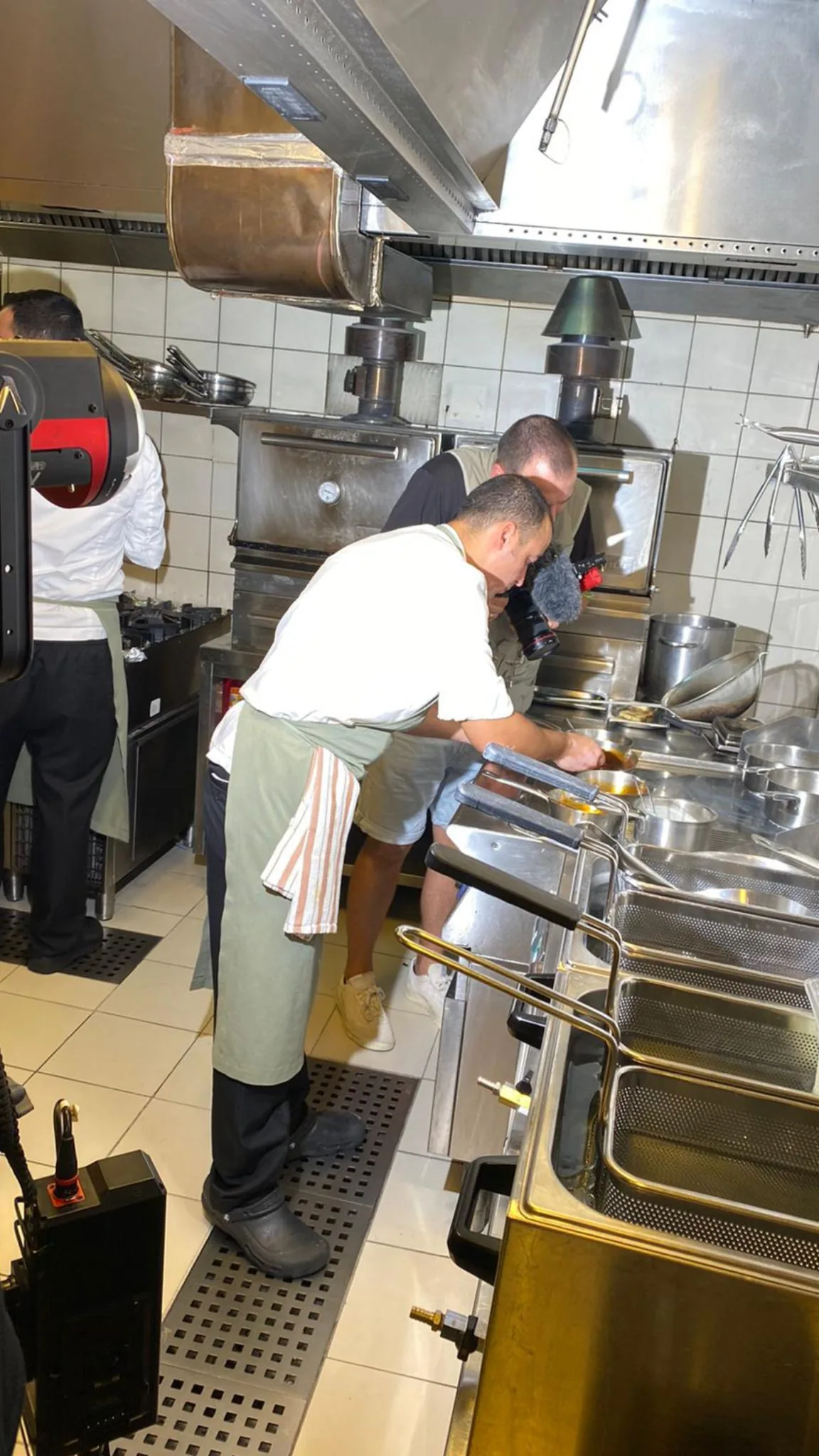

Kitchen CAPEX should not be built like a showroom
Many investors read kitchen investment as a hidden display of strength. A larger hot line, more equipment, heavier ventilation, and a fuller back-of-house footprint can all look professional at first glance. But if revenue logic cannot carry that setup, it is not a strength signal. It is capital locked in the wrong place. This article is for restaurant owners, hotel operators, and investors making kitchen decisions before opening.
Healthy kitchen investment builds the core that carries the menu and the service. It does not build the most expensive version of the room.
The most common capital mistakes
| Mistake | Why it happens | Effect on the business |
|---|---|---|
| Overspending on the hot line | Bigger kitchens are mistaken for stronger kitchens | CAPEX rises while energy and maintenance pressure grow |
| Choosing equipment from catalog logic instead of menu logic | Purchasing gets pulled forward too early | Cash is tied up in underused equipment |
| Underestimating cold prep and storage | The visible equipment gets prioritized first | Prep rhythm and stock control stay weak |
| Testing ventilation and mechanical needs too late | Kitchen flow is assumed from drawings | Expensive retrofit risk appears later |
| Buying every possible future need on day one | Future volume is built prematurely | Early months carry unnecessary capital pressure |
This is the kitchen-side expression of the broader CAPEX, OPEX, and working-capital guide. The problem is rarely equipment quality. It is equipment logic.
Which line items should be validated first
The first items to validate are the core stations that produce revenue, the hot-cold touchpoints that protect service pace, and the support equipment that protects hygiene and clean flow. In other words, the operation should fund the core that creates rhythm before it funds the optional devices that look impressive in a specification sheet.
That is why the restaurant feasibility checklist and operations improvement matter here as well. Kitchen investment is not only a purchasing file. It is an operating-rhythm file.
Why purchasing sequence matters as much as budget
In a kitchen project, what is bought matters less than many investors think compared with when it is bought. Orders placed before menu scope is clear, mechanical commitments made before station flow is validated, and capacity-heavy devices acquired before staffing logic is confirmed all weaken the model quietly. The healthier sequence is usually this: menu and production model first, station flow second, mechanical requirement third, core equipment fourth, optional support equipment last.
Every early purchase made in the wrong order later creates a dangerous sentence: “we already bought it.” That is exactly where investment consulting adds value, by making kitchen CAPEX defensible rather than decorative.