Why Cost Control Must Be Systematic
Most restaurant owners cannot understand why so little profit remains when month-end figures arrive. Identifying the reason is only possible after tracking costs bucket by bucket, on a weekly basis.
Unsystematic cost management produces a vague feeling of "too many expenses." Systematic cost tracking allows you to say "this week's food cost rose to 38% because meat prices increased and our waste rate is high." The first is a feeling, the second is knowledge; knowledge converts into action.
The Four Cost Buckets
Bucket 1: Food and Beverage Cost
Target range: 28-33% of sales.
This ratio is calculated by dividing the raw material amount purchased by the F&B revenue generated in the same period. Reasons for the ratio exceeding the target:
- Waste and spoilage (high waste signals a process problem)
- Portioning inconsistency (large portions = food cost increase)
- Unpriced consumption (staff meals, music club syndrome)
- Supply price increases (lag in reflecting market prices to the menu)
Measure: Weekly food cost tracking + monthly actual stock comparison against recorded inventory.
Bucket 2: Labour Cost
Target range: 25-30% of sales.
Staff cost is the total of gross wages, insurance, travel, meals, and additional payments. Two ways to reduce this ratio:
- 1Increasing revenue to grow the denominator (the better approach)
- 2Cutting unnecessary hours through shift optimisation (an efficiency tool)
Dismissing quality staff reduces cost short-term but reduces both service quality and revenue long-term. For this reason, system improvement comes first, then workforce adjustment.
Measure: Synchronise shift planning with sales forecasts. Offer voluntary early departure during low-traffic periods.
Bucket 3: Rent
Target range: 8-12% of sales.
When this ratio is exceeded, the profit margin narrows even if all other costs are perfect. Since rent is a fixed cost, the only way to improve the rent-to-revenue ratio is to increase revenue.
Protection against rent increases: the annual increase rate (inflation-linked or fixed cap) should be negotiated and clearly specified in the lease contract.
Bucket 4: General Expenses
Target range: 8-12% of sales.
This bucket, comprising electricity, water, gas, marketing, software subscriptions, maintenance, and insurance, typically experiences "invisible inflation."
Most common waste items:
- Energy: Equipment left running outside peak hours
- Marketing: Unmeasured channels (press, distribution)
- Software: Unused subscriptions
Measure: Question general expenses from zero monthly: the question "what would happen if this expense disappeared?"
Weekly Cost Tracking System
Effective cost management operates on a weekly rather than monthly rhythm. Recommended weekly cycle:
- Monday: Previous week's sales and cost summary
- Tuesday: Food cost calculation and stock assessment
- Thursday: Shift efficiency and labour cost review
- Friday: Forecast and action plan for the following week
This cycle detects and addresses problems week by week rather than letting them drag on for months.
Waste Management: The Invisible Cost
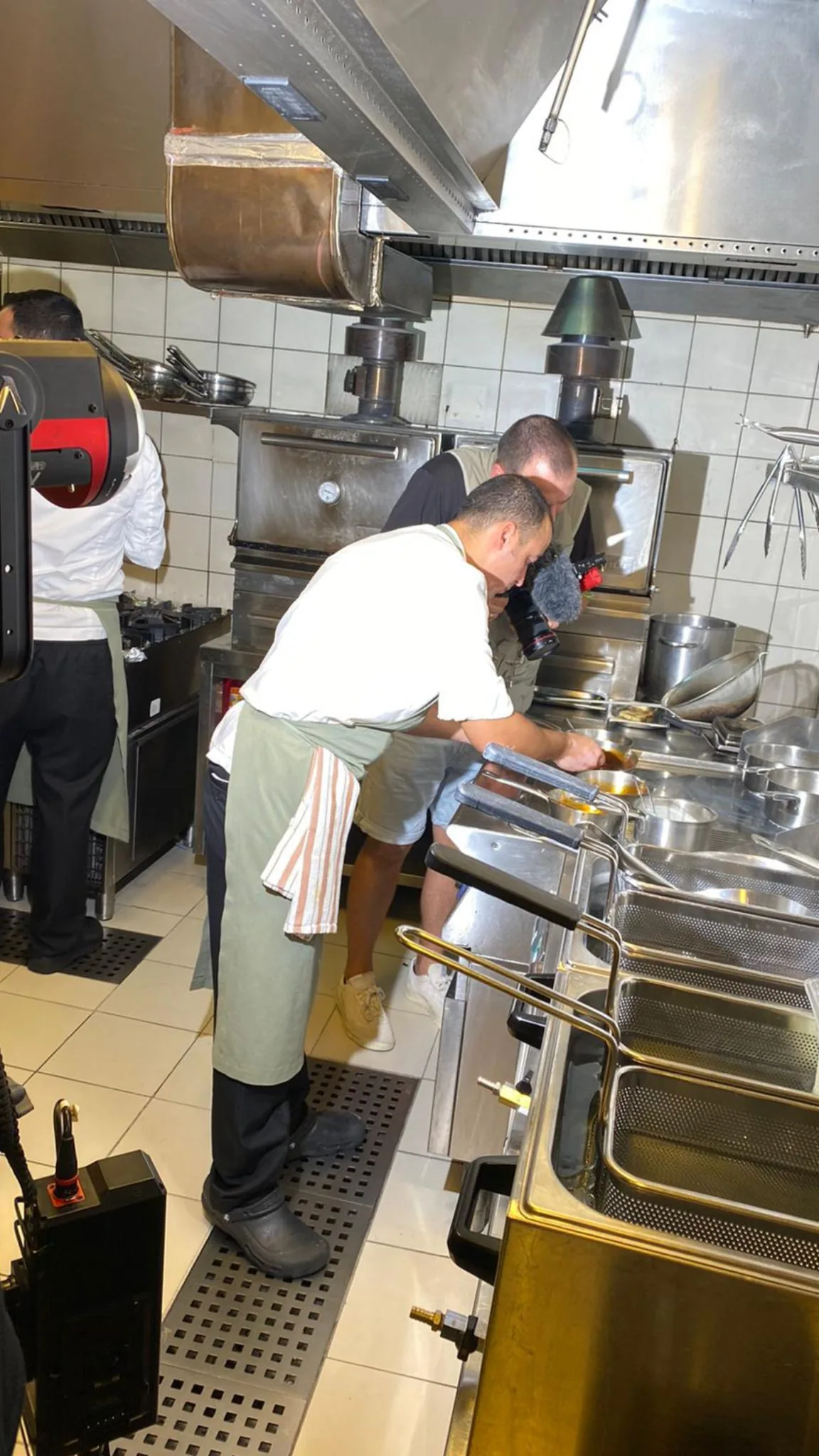
Kitchen waste (raw material loss) is an indicator to be monitored from both food safety and cost perspectives. It is accepted that the average restaurant experiences raw material waste of 3-8%.
What kitchens exceeding this ratio must do:
- 1Personal shadow operation: Record how waste occurs over one week
- 2Portioning standardisation: Make weight measurement mandatory
- 3First-in first-out (FIFO) practice: Old stock is used first
Cost Optimisation Through Menu Engineering
Knowing which products bring high margins and which bring low margins is an aggressive tool of cost management.
The four categories of menu engineering:
- Stars: High margin + high sales — promote to the front
- Ploughs: High margin + low sales — increase visibility
- Puzzles: Low margin + high sales — optimise through price or cost
- Dogs: Low margin + low sales — remove from menu
Conclusion
Restaurant cost control is not a one-time clean-up but a weekly cleaning habit. Operations that regularly track the four buckets, evaluate on a weekly rhythm, and support with menu engineering can generate significantly higher profitability at the same revenue level.