
The terms used most often in commercial kitchen consulting
When investors, operators, and chefs sit around the same table, one of the biggest problems is that the same term often means different things to different people. One side says CAPEX and thinks about equipment. Another side hears the same word and thinks about how that choice will affect payroll, service pace, or opening risk. This glossary is built to create a shared language for those decisions.
| Term | Plain meaning | Why it matters |
|---|---|---|
| Feasibility | A framework that tests whether the project can work commercially | Makes risk visible before capital is committed |
| CAPEX | Opening and asset investment | Forces the team to question what is truly necessary |
| OPEX | Day-to-day operating cost | Shows which pressures will challenge margin after opening |
| Working capital | The cash runway for the first months | Prevents early-stage panic |
| SOP | Standard operating procedure | Moves quality from individuals into the system |
| Food cost | The food-cost ratio | Measures menu and purchasing discipline |
| Ticket time | The time it takes an order to leave the kitchen | Reveals service pace and bottlenecks |
| Soft opening | A controlled trial opening | Used to collect mistakes before the real launch |
Which terms matter most for the investment decision
On the investment side, feasibility, CAPEX, OPEX, and working capital form the core set. If one is missing, the project may look attractive on paper while becoming fragile after opening. That is why the restaurant feasibility checklist and the CAPEX OPEX capital guide sit naturally beside this page.
Which terms define the operational side
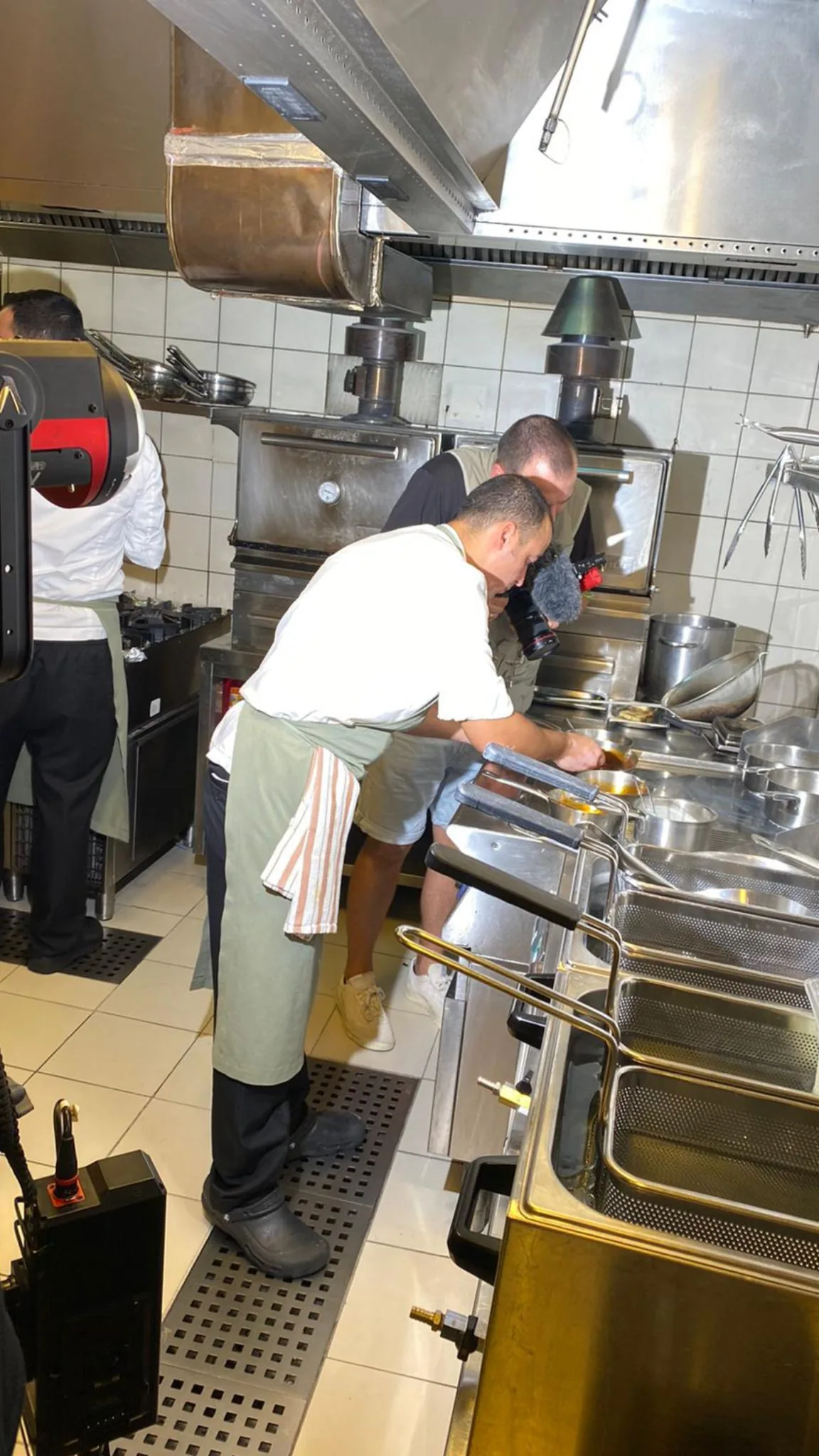
On the operating side, SOP, food cost, ticket time, waste, and mise en place become more important. These are not kitchen-only terms. They also shape guest experience and margin. When ticket time stretches, the issue is not confined to the pass. It appears in review scores, team psychology, and repeat preference.
How should this glossary be used
This page should be used as a shared reference in project meetings. When the investor side and the operator side mean different things by the same word, clarifying the term first improves the quality of the decision. That is where commercial kitchen consulting creates value: not by decorating the vocabulary, but by connecting the capital logic and operating logic behind the words.
If the project still lacks that shared language, investment consulting and operations improvement should be considered together.