2025 Turkey F&B Investment Trends and Opportunities
Turkey's gastronomy sector has undergone a fundamental transformation over the past five years. The Michelin Guide's arrival in Turkey, growing international media interest in Turkish cuisine, and record tourism revenue growth have positioned the sector as a strategic investment target. But every opportunity carries risk. In this article, I share the investment trends, opportunity areas, and pitfalls to avoid in Turkey's 2025 F&B landscape — informed by real data from my consulting projects.
Macro Trends: The Big Picture
Tourism boom and gastro-tourism: Turkey surpassed 60 million tourists in 2024. A significant portion of these visitors now rank gastronomy experiences among their top travel motivations. Gastro-tourism is no longer a niche — it is a mainstream travel driver.
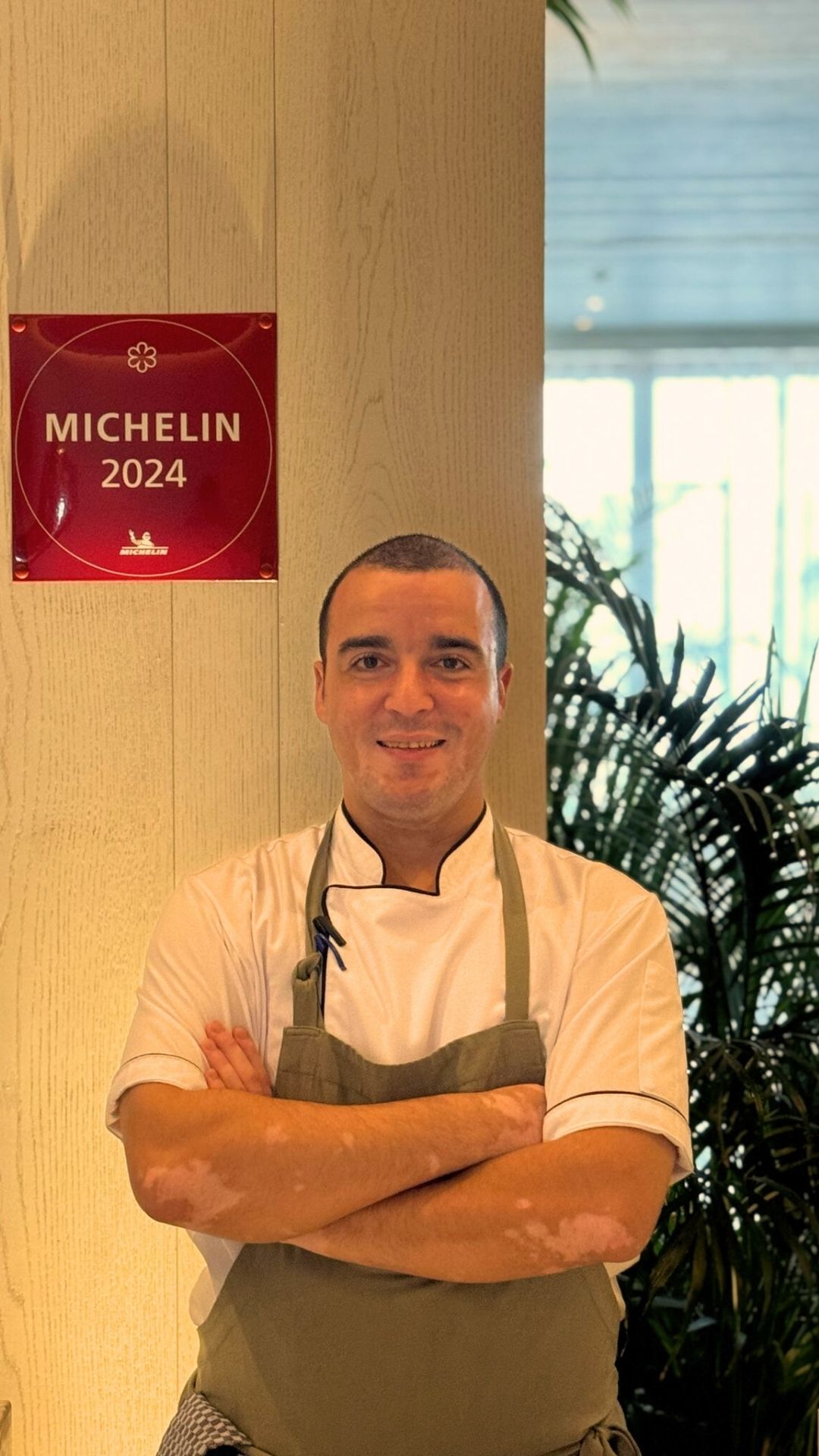
The Michelin effect: The Michelin Guide's entry into Turkey in 2023 radically raised the quality bar across the sector. Regions with starred restaurants have landed on the radar of both domestic and international investors. Bodrum, Istanbul, and Urla are the destinations where this effect is felt most intensely.
Domestic investor interest: Family offices and individual investors in Turkey are increasingly looking beyond real estate and finance for alternative investment categories. Gastronomy stands out as a "lifestyle investment" that offers both passion alignment and profit potential.
Opportunity Map: Where to Invest
1. Destination restaurants (Aegean and Mediterranean coast)
In destinations like Bodrum, Çeşme, Alaçatı, and Kalkan, the "destination restaurant" concept targeting high-spending domestic and international tourists presents a strong investment opportunity. Average check sizes range from $15-40 per person, and seasonal occupancy rates run between 70-90%.
Critical success factors: A strong chef brand, locally sourced menu identity, experience-driven venue design, and an active social media strategy.
2. Boutique hotel F&B operations
Turkey's boutique hotel sector is growing rapidly, and the strongest differentiator for these properties is the dining experience. The most impactful factor in a boutique hotel's Tripadvisor and Google rating is breakfast and dinner quality. Upgrading existing kitchen operations through F&B consulting offers a high-return, low-capital model.
3. Franchise and multi-location models
In the fast-casual and casual dining segment, chain brands growing through "concept standardization plus local adaptation" offer scalable investment opportunities. However, this model requires a robust kitchen operations system, training program, and centralized procurement structure as prerequisites.
4. Private chef and private dining services
With villa tourism, the yacht charter market, and the corporate events sector all growing, demand for private chef services is increasing rapidly. This segment offers a low-fixed-cost, high-margin business model. For investors, building a branded "chef network" to formalize this service represents a scalable opportunity.
Pitfalls to Avoid
Trend-chasing: Assuming every popular concept will be profitable is the most common mistake. Trend-driven investments — açai bowl cafes, ramen bars, bubble tea brands — lose value quickly when the trend fades. Sustainable investment does not chase trends; it serves fundamental demand.
Location fallacy: "This area is so popular, it will definitely work" is one of the most expensive assumptions in the sector. No investment decision should be made without detailed analysis of rent sustainability, market saturation, and seasonality effects.
Underestimating operational costs: 60% of new operators find that first-year operational costs exceed their budgeted amount by 30-50%. Staff turnover rates, energy costs, food inflation, and maintenance expenses must be realistically built into the business plan.
Launching without a chef brand: In 2025 Turkey, a fine dining restaurant without a chef brand is not sustainable. Guests come for a "chef experience," not a "restaurant." Starting with a chef partnership or a strong chef-consultant is the most critical differentiator for the investment.
The Feasibility Process: Getting It Right
A proper F&B investment feasibility process follows these steps:
The Role of Consulting
Professional consulting in a gastronomy investment is not a luxury expense — it is insurance that protects your capital. A consultant prevents you from committing to the wrong location, launching with an unprofitable menu structure, and building an operationally unsustainable model.
In my own consulting projects, the interventions that protect investors the most are usually "don't do it" recommendations — eliminating a wrong location, making an inflated budget realistic, identifying misalignment between concept and target audience. Each of these interventions represents savings of hundreds of thousands of lira.
Conclusion
Turkey in 2025 offers a unique window of opportunity for gastronomy investors. The Michelin effect, tourism growth, and evolving consumer expectations are maturing the sector and creating space for professional investors. But this opportunity can only be captured with the right analysis, the right concept, and the right operational infrastructure. Conducting a professional feasibility process before entering the sector is the most critical step in determining your investment's success.