2026 Turkey F&B Investment Trends and Decision Framework
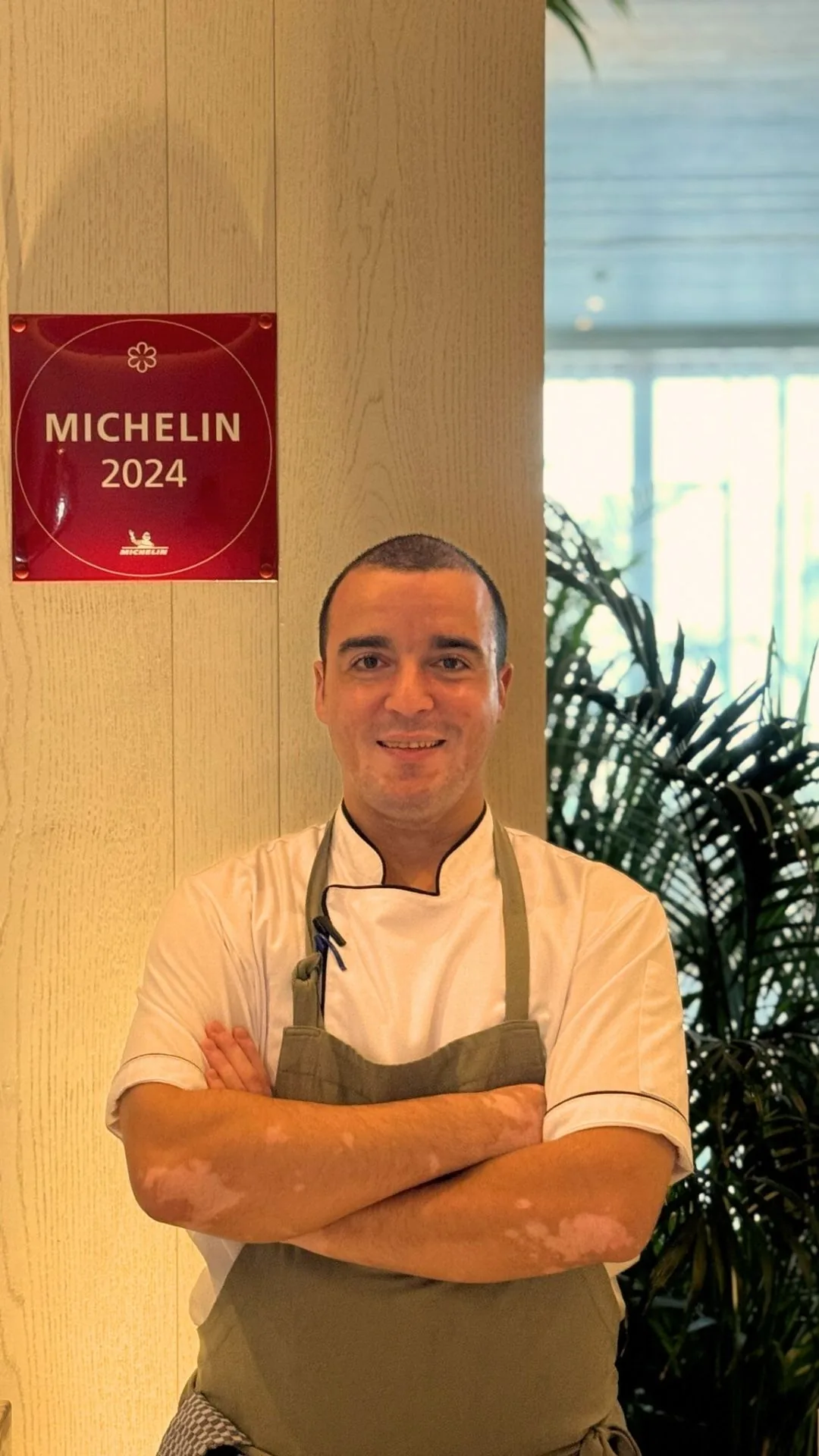
Turkey remains a compelling F&B investment market in 2026, but the game is no longer won with a stylish idea alone. Rent pressure, labor and energy costs, service standards, tourism flow, and working capital have to be read inside the same model. Michelin-driven visibility still helps premium positioning, but a strong investment decision should rely less on awards speculation and more on location logic, average check discipline, and operator quality.
The investment lanes standing out in 2026
| Segment | Why it stands out | Where investors misread it |
|---|---|---|
| Destination restaurants | Experience-led spending and strong seasonal demand | Ignoring winter demand and annual occupancy cost |
| Boutique hotel F&B repositioning | Creates ADR, review-score, and repeat-visit impact inside an existing asset | Treating breakfast, dinner, and the operating system with different levels of discipline |
| Controlled urban concepts | Clearer brand promise, leaner team structure, and more manageable CAPEX | Opening with an oversized kitchen and too much menu scope |
| Private dining and chef-network models | Lower fixed-cost base and flexible scaling potential | Failing to systemize quality, sourcing, and logistics |
Buy a working model, not a trend
The most expensive mistake investors make in 2026 is confusing a visible concept with a viable one. A fashionable district, a dramatic design language, or a social-media-friendly plate is not a business model on its own. The real question is this: in that location, on those days, at those dayparts, for that guest profile, can the operation sustainably produce the required average check?
That is why every decision needs to be tested on three levels: demand validation, operating capacity, and capital endurance. Without the first, the story falls flat. Without the second, service quality breaks. Without the third, the opening happens but the rhythm never settles.
The most expensive mistakes of 2026
Treating rent optimism as fact. In high-demand districts, occupancy cost becomes the weakest point in the model very quickly. Rent must be supportable not only in strong season, but also across weak months and low-volume scenarios.
Building the kitchen like a showroom. Not every piece of opening spend creates revenue. Unnecessary hot-kitchen equipment, inflated ventilation decisions, and excessive service equipment lock capital into CAPEX and weaken working-capital resilience.
Confusing a chef brand with an operating system. A strong chef identity can create demand, but without SOPs, purchasing discipline, recipe control, and service training, that demand will not turn into profit.
Underestimating the first six months. The real gap in 2026 does not appear on opening night. It appears during ramp-up. Soft opening, training lag, waste, promotional activity, and post-launch revisions all need to be funded from the start.
What must exist inside the feasibility file
- 1Daypart-level demand profile for the target location
- 2Clear fit between price point and guest profile
- 3An OPEX frame that reads rent, labor, and energy together
- 4A real match between menu scope and kitchen-equipment need
- 5A working-capital plan covering at least three to six months
- 6Operator structure, lead-chef profile, and training logic
Without this frame, investors confuse concept preference with commercial validation. That is why the restaurant feasibility study checklist and the CAPEX, OPEX, and working-capital guide should be read together.
Where consulting actually protects capital
Consulting is not valuable only because it identifies opportunities. Its real value is eliminating weak locations, stopping unnecessary CAPEX, narrowing inflated menu scope, and defining operator needs early. In many projects, the move that protects capital most is not saying yes. It is revising a fragile model before the opening makes it expensive.
The projects that win in 2026 are not the ones that look brightest from the outside. They are the ones read most clearly from the inside. When location logic, capital discipline, and operating design sit on the same table, the investment is genuinely protected.