Where premium opportunity is concentrating in 2026
The first mistake investors make when looking at premium F&B in Turkey in 2026 is treating premium as a synonym for looking expensive. Today's healthier premium model is built on controlled CAPEX, a clear guest promise, defensible average checks, and a service standard the team can actually repeat. This article separates the formats where opportunity looks strongest from the projects that only appear glamorous from the outside.
Premium becomes a real opportunity only when location logic and operator quality hold the concept together.
The healthiest opportunity lanes
| Opportunity lane | Why it looks strong | Main risk |
|---|---|---|
| Boutique hotel F&B repositioning | Premium dining can be built on top of existing demand and physical assets | The menu alone cannot save a weak back-end system |
| Controlled urban premium-casual concepts | Clearer price logic and a more manageable staffing model | Menu sprawl can quietly break margin |
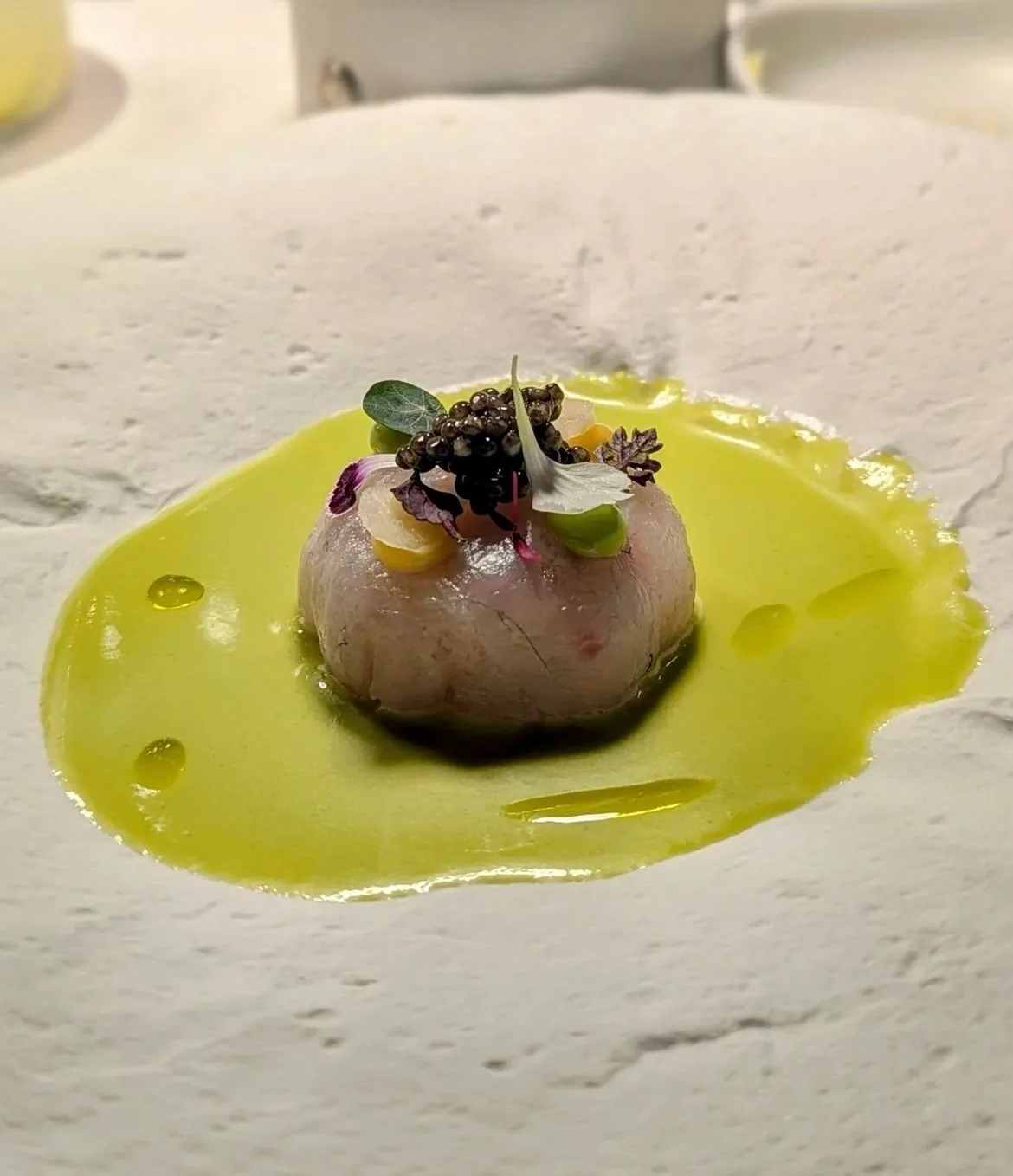
| Chef-led limited-seat or counter experiences | High perceived value with tighter service control | Weak demand validation can leave the model underfilled |
| Premium breakfast and all-day dining formats | Broader daypart mix can create more balanced revenue | Weak prep and purchasing discipline quickly raise waste |
| Special-event and branded dining formats | High perceived value with more flexible pricing and selected timing | Non-standardized execution fatigues the model fast |
The broader market context still sits inside the 2026 Turkey F&B investment trends article. But on the premium side, the real difference comes from whether the format stays aligned with capital discipline and operator reality.
Which projects only look bright from the outside
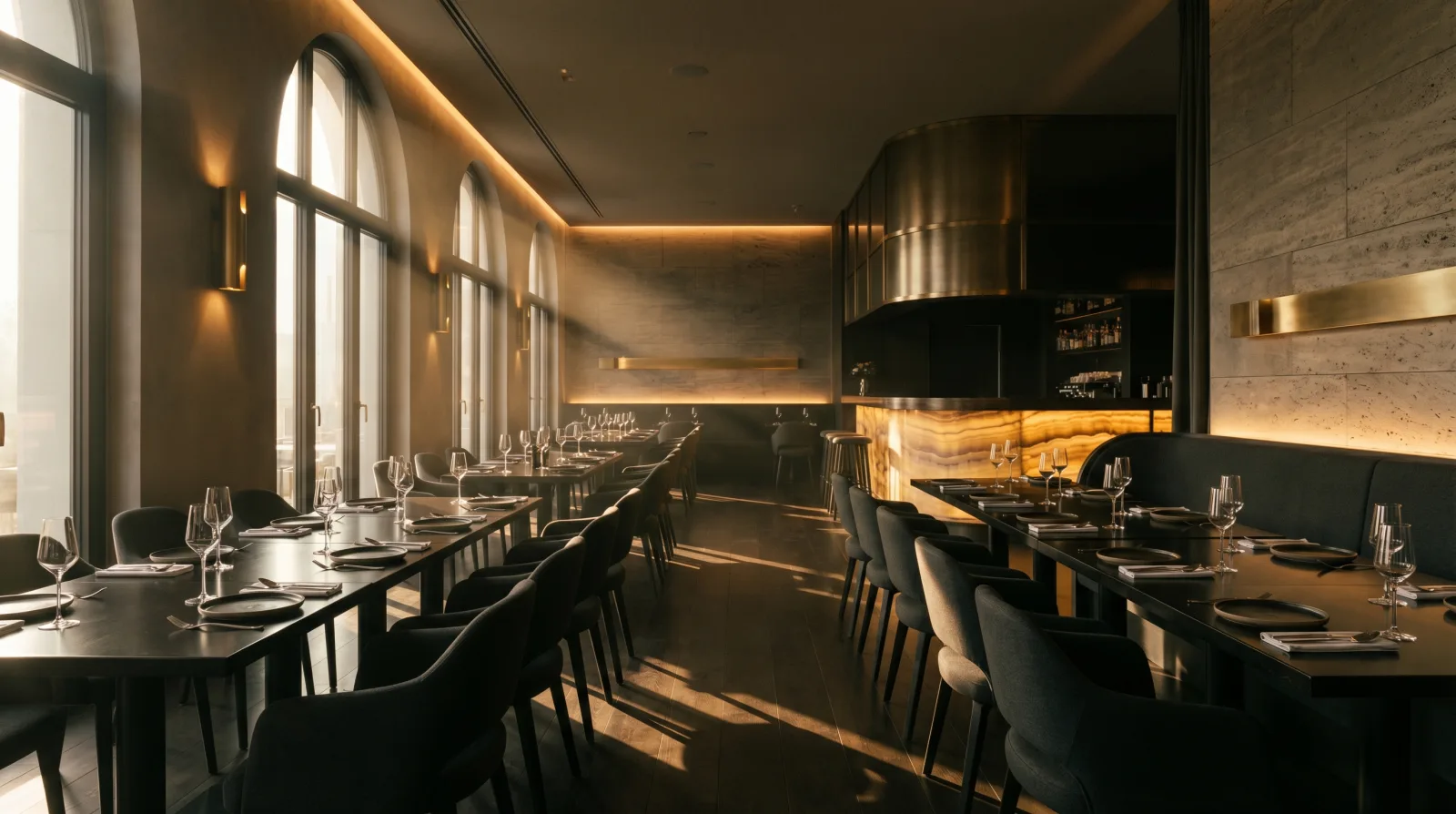
Projects that look impressive on social media, open with oversized kitchens and heavy decor, but never prove demand-cost balance are the weakest premium candidates. Premium pricing cannot be carried by architecture or expensive product alone. If the team cannot explain why the guest will pay more, how the experience will be repeated cleanly, and how weekday revenue will be protected, the project is not premium. It is fragile.
That is why new brand or reposition an existing venue and how to know if an F&B concept will work commercially are natural follow-up reads here.
Location operator quality and capital decide the opportunity together
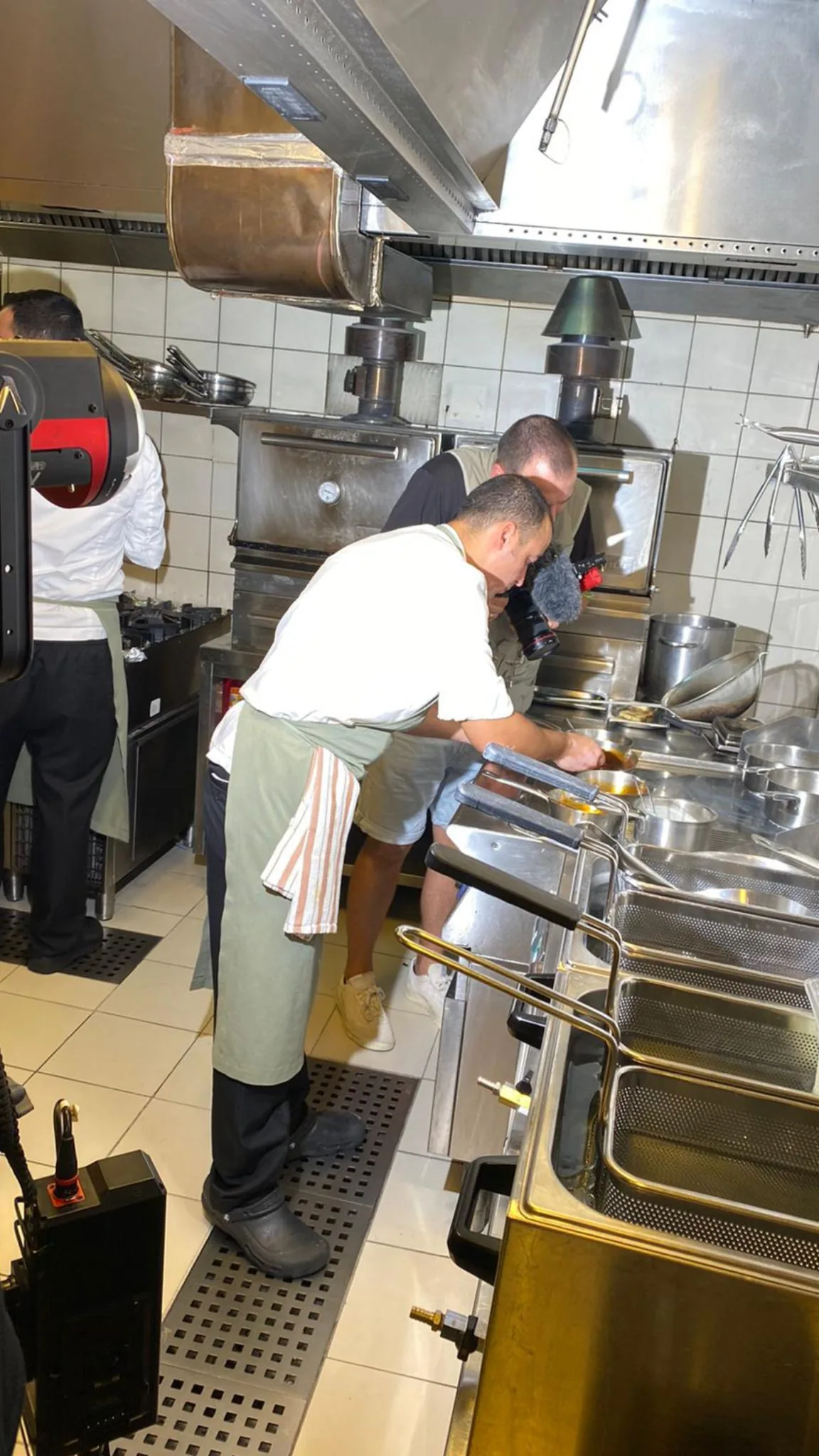
Premium F&B opportunity never depends on one variable. Location demand, operator quality, kitchen investment, menu carry capacity, and service standard all have to hold together. If that alignment breaks, the same project becomes either too expensive or too small to justify itself. That is why the smartest premium investors study not only the look of the opportunity, but the system that will carry it.
This is where investment consulting and restaurant concept development belong on the same decision table. In the premium segment, the winners are rarely the ones who spend the most. They are the ones whose promise is carried most cleanly.