Fine Dining on Yachts: From Galley Constraints to Luxury Flow
A yacht galley is one of the most challenging and rewarding environments a chef can encounter in their career. Limited space, variable sea conditions, constrained storage, and a supply chain that changes from port to port — yet guests expect restaurant-quality dining, often surpassing what land-based restaurants can deliver. In this guide, I share how to architect Michelin-standard yacht dining, turn galley constraints into advantages, and master route-based menu planning.
Galley Realities: Unlimited Quality in Limited Space
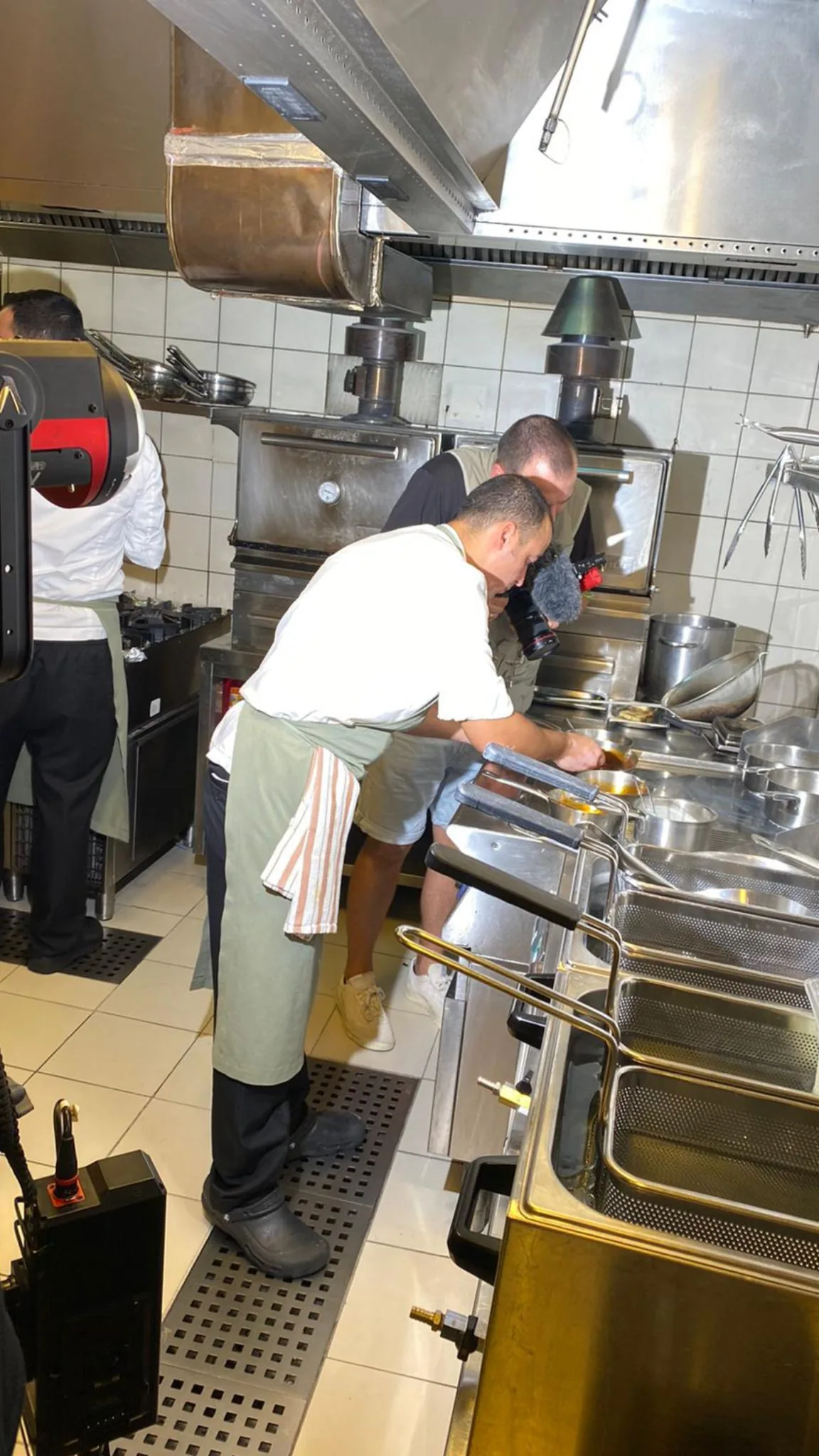
A yacht galley typically has one-tenth the floor space of a standard restaurant kitchen. But with the right approach, this constraint becomes a catalyst for discipline and creativity.
Space optimization: Every square centimeter must be planned. Multi-functional equipment (combi oven, induction burners, vacuum sealer) is essential. Storage is maximized through vertical organization and modular container systems.
Mise en place discipline: In a yacht galley, preparation is everything. In my approach, every component for every service is portioned, labeled, and sequenced before the first plate is fired. Zero waste, zero searching — this system is the only way to deliver restaurant-speed service in a confined space.
Temperature control: At sea, refrigerator and freezer capacity is limited. Sous vide plays a critical role here — proteins can be pre-cooked and safely stored, then finished rapidly at service time. This method guarantees quality while easing storage pressure.
Provisioning: The Art of Supply
The most strategic dimension of yacht cuisine is provisioning. A land-based restaurant can receive fresh deliveries every morning; on a yacht, supply depends entirely on route and port schedule.
Route-based planning: The menu is shaped by the ports on the itinerary and the seasonal products available at each stop. Aegean herbs and seafood for a Bodrum departure, olive oil and cheese variations on Greek island routes, fresh pasta and stone fruit on Italian coasts — every port is a menu opportunity.
Supplier network: An experienced yacht chef must maintain trusted supplier contacts across multiple Mediterranean ports. For my own projects, I map suppliers for every route in advance — what to source at which port, what to carry aboard, what to procure fresh on arrival.
Inventory management: On extended passages, dry stock and preserved product alternatives should always be available. But these should not be "emergency meals" — they must be delicious and presentation-worthy options in their own right.
Service Formats: Structured Around Guest Profile
There is no single format for yacht dining. The guest profile and charter type determine the service flow:
Private owner yachts: The owner and family are aboard continuously. The menu is shaped by habits and personal preferences. Full-day service runs from breakfast through dinner. The expectation is intimate, personalized, and non-repetitive.
Charter yachts: Guests change weekly. The chef must quickly learn each new group's profile and adapt the menu accordingly. Starting the first evening with an "introduction menu" and adjusting subsequent days based on feedback is the most effective approach.
Corporate events: Business dinners or brand activations hosted aboard. Presentation and timing are critical — food serves as a business tool and must align precisely with the guests' schedule.
Service at Sea: Managing Variables
Sea conditions directly impact kitchen performance. Swell can shift plates, make liquids precarious, and test the chef's balance and composure.
Practical solutions:
- Non-slip mats on all work surfaces are mandatory
- Liquid-based sauces are prepared in deep vessels
- Service plates should be weighted or have raised edges
- Critical plating work is ideally performed in sheltered waters or at anchor
Menu Design Principles
Five core principles guide my yacht menu development:
- 1Flexibility: Every menu plan should have B and C versions. Supply disruptions or sea conditions can force changes at any moment.
- 2Lightness: Heavy dishes are rarely welcome at sea. Mediterranean cuisine — olive oil based, fresh herbs, light proteins — is naturally suited to the yacht format.
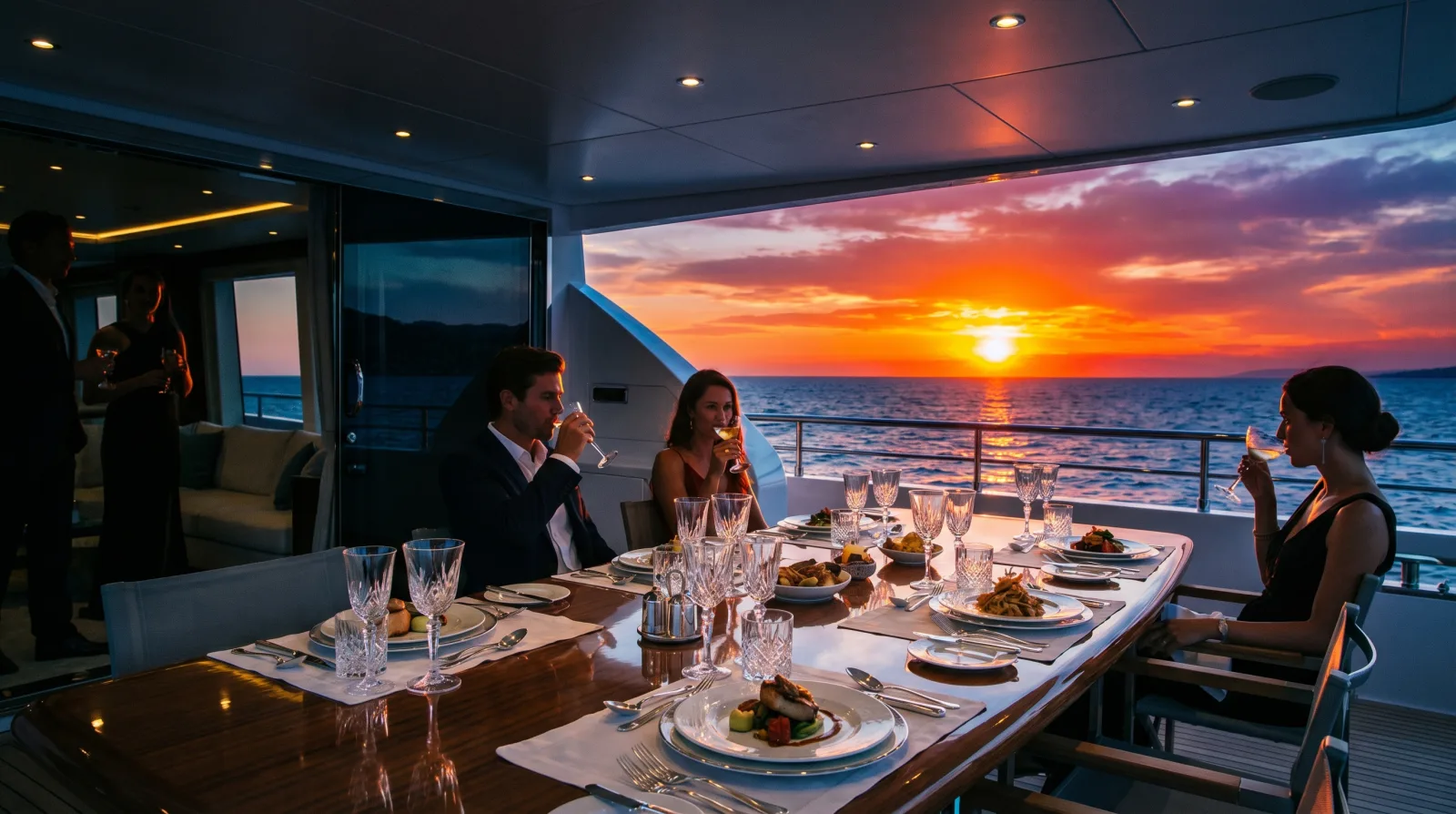
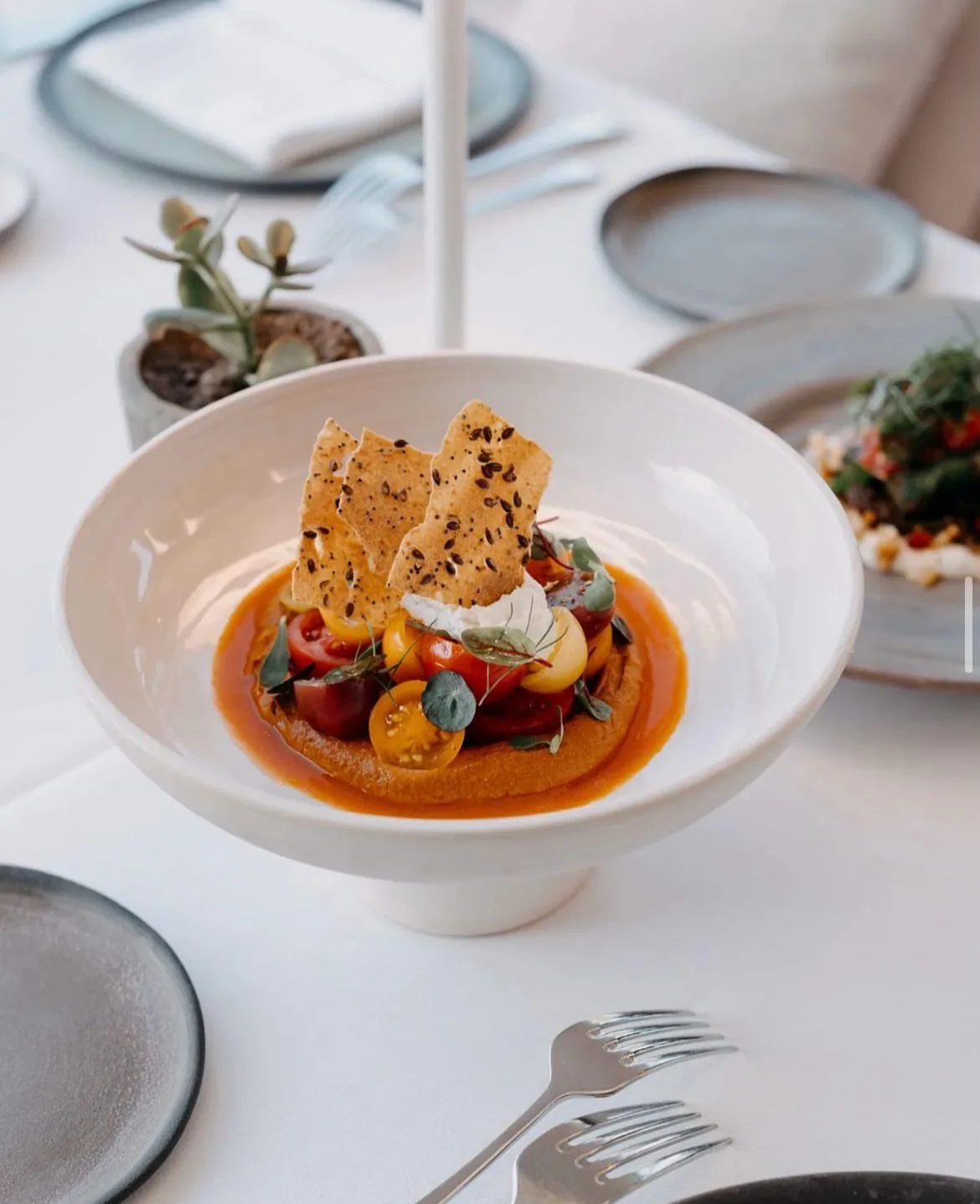
- 3Visual impact: Yacht dining offers a unique aesthetic that integrates with the ocean view. Blue, green, and gold tones on plates harmonize with both the sea and the luxury atmosphere.
- 4Narrative: Every plate should tell a story — the fish sourced at the last port, a local spice, a regional recipe tradition. Guests are not just eating; they are living a journey.
- 5Resilience: Some plates may not allow last-minute plating. Sous vide, terrines, and emulsion-based preparations offer time-resistant quality.
Why a Professional Yacht Chef?
Yacht cuisine is not something every restaurant-trained chef can handle. Galley operations are a fundamentally different discipline: space constraints, supply uncertainty, guest proximity, and 24-hour service expectations differ radically from restaurant work.
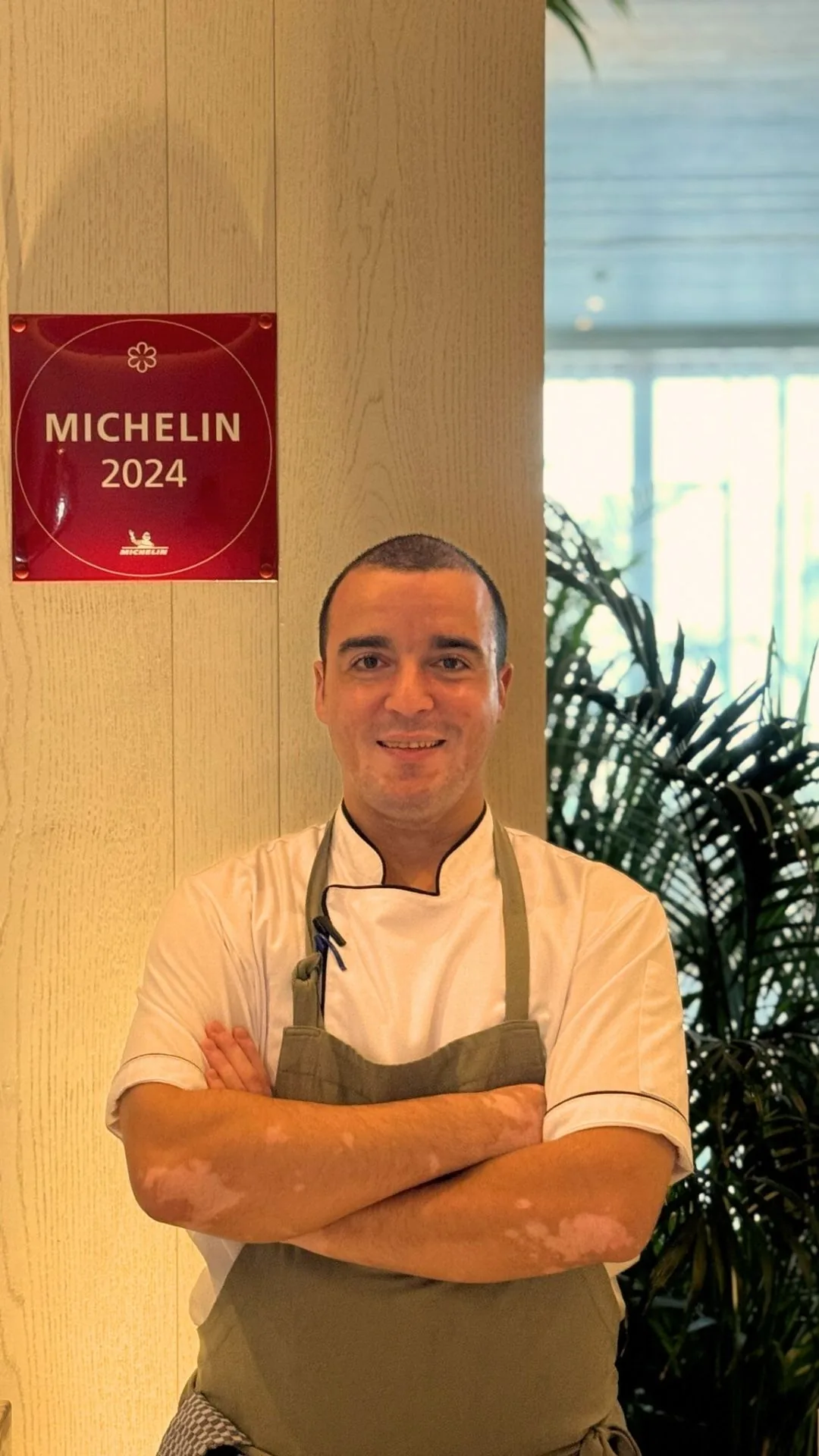
A yacht chef trained to Michelin standards can:
- Execute high-level technique in confined spaces
- Build dynamic menus based on route and season
- Manage guest expectations with diplomacy and precision
- Transition seamlessly between fine dining service and a relaxed breakfast format
Conclusion
Fine dining on yachts is one of gastronomy's most demanding and most captivating disciplines. With the right chef, the right planning, and the right provisioning strategy, even a 20-meter yacht becomes the most exclusive restaurant in the world. Engaging an experienced yacht chef early in the planning process is the foundation for ensuring every route, every menu, and every service is flawless.