Why Kitchen Consulting Matters
Kitchen consulting looks at a restaurant's kitchen holistically, from design to staff training, so the business runs more efficiently and profitably. A well-run kitchen consulting process makes daily operations smoother, lowers unnecessary costs, and directly raises customer satisfaction.
For restaurant owners and managers, kitchen consulting is not a one-time fix but a way to build a sustainable competitive edge. With the right approach, kitchen design and kitchen layout become more functional, and menu planning and supply chain management become predictable cost centers rather than surprises.
The Role in a Restaurant's Success
Kitchen consulting directly helps restaurants stand out from competitors. It develops innovative methods, improves existing practices, and ties food and beverage management into a single strategic framework. A well-structured consulting process gives restaurants:
- 1A clear competitive advantage
- 2A visible improvement in service quality
- 3A distinct position in the market
Kitchen Design
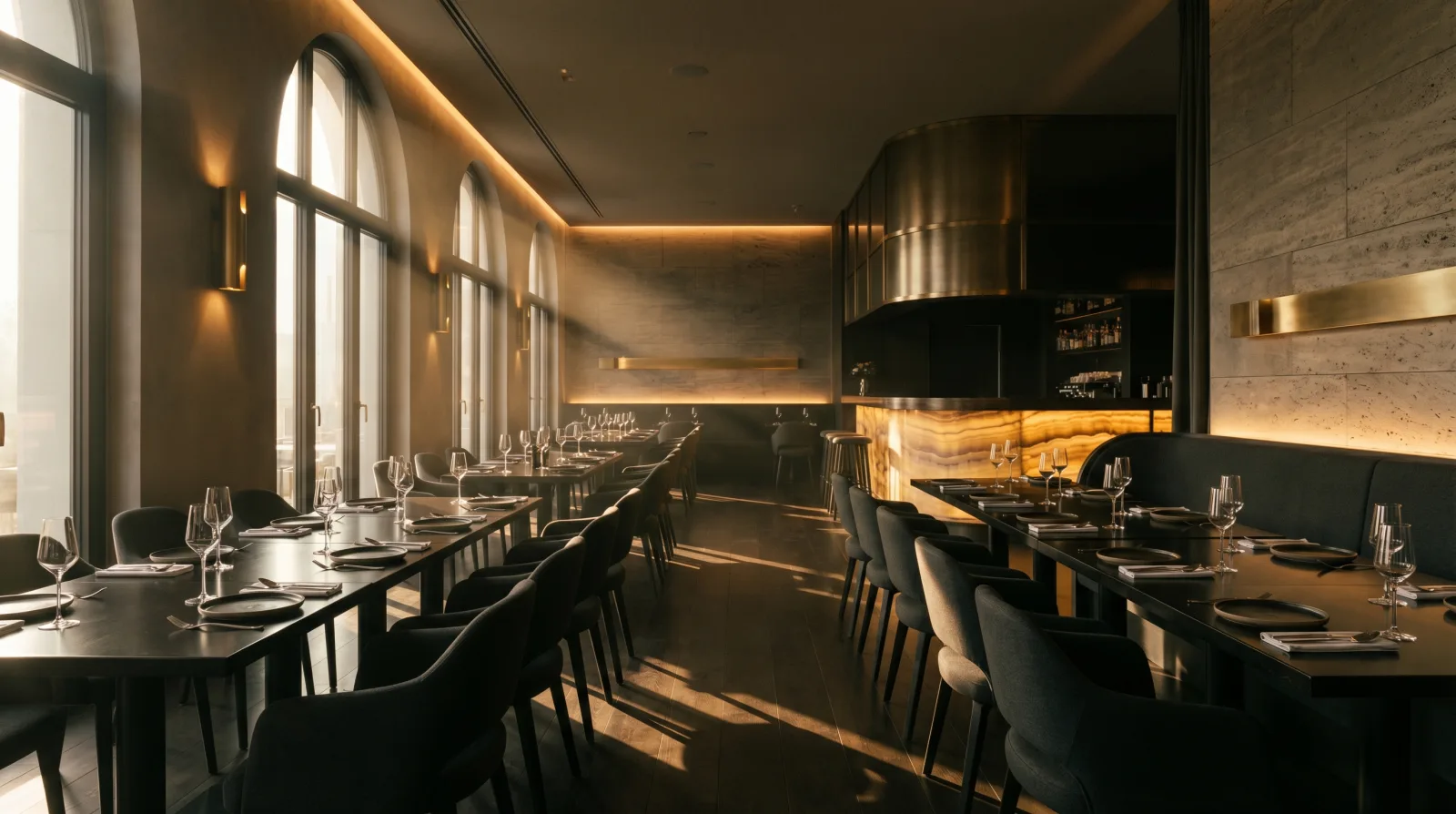
Kitchen design is the foundation of operational efficiency. A well-planned restaurant kitchen design brings functionality and comfort together on the same floor plan, which is why kitchen projects should be shaped with consulting input from day one.
Aesthetic and Functional Design
Both aesthetics and functionality must be considered together in the kitchen. Creating spaces that are practical and visually coherent affects both team morale and service speed. Key elements include:
- 1User-friendly work areas
- 2A smooth, logical workflow
- 3Aesthetically consistent, uncluttered design
Industrial Kitchen Equipment
An industrial kitchen is what determines efficiency in high-volume service. Choosing the right kitchen equipment has a direct effect on both operating costs and service speed. Priorities in an industrial kitchen consulting process include:
- 1Durable equipment suited to service volume
- 2Easy maintenance and low breakdown risk
- 3Equipment choices that support energy savings
Kitchen Layout
Kitchen layout sits at the center of workflow. A layout that does not offer a safe, fast, and sustainable working environment stays inefficient even with the best team and the best ingredients.
Efficient Kitchen Layout
An efficient kitchen layout simplifies daily work and removes unnecessary movement. Points to consider when planning the space:
- 1Quick, short access to work areas
- 2Smooth, one-direction flow of ingredients
- 3Adequate, well-positioned storage space
Ergonomic Spaces for Staff
Ergonomic spaces improve staff comfort and directly support long-term efficiency. A kitchen consulting process should ensure:
- 1Height-adjustable work counters
- 2Wide, safe areas for movement
- 3A working environment that reduces accident risk
Menu Planning
Menu planning is a strategic process that raises customer satisfaction while keeping costs under control. Done right, it lifts both sales and operational efficiency.
Menu Variety
A varied, balanced menu appeals to different customer profiles and drives sales. Points to watch in menu planning:
- 1Regularly tracking customer feedback
- 2Following current culinary trends
- 3Building seasonal ingredients into the menu
Cost Control and Supply Chain Management
Cost control is decisive for a restaurant's long-term success. Strong supply chain management protects ingredient quality while keeping profit margins predictable. Key points:
- 1Building reliable supplier relationships
- 2Running regular stock checks
- 3Making continuous cost analysis a habit
Kitchen Training
Kitchen training develops staff skills and directly raises service quality. Ongoing training is what makes the results of a consulting process last.
Staff Training
Staff training has a direct effect on kitchen performance. With the right training programs, the team works more efficiently and consistently. Key topics include:
- 1Safety rules
- 2Hygiene standards
- 3Equipment use and maintenance
Continuous Training Programs
Ongoing training strengthens a restaurant's competitive position over time. Keeping staff current and quick to adapt to new methods is the key to sustainable quality. Priority topics:
- 1New cooking techniques
- 2Current kitchen trends
- 3Customer service skills
Conclusion
Kitchen consulting delivers a lasting competitive advantage when kitchen design, kitchen layout, menu planning, supply chain management, and kitchen training are brought together in a single strategic framework. Treating these areas individually rarely works — a holistic consulting approach is what makes the results stick.
To apply this framework to your own kitchen, the scope, process, and fee sections on the kitchen consulting page are a useful starting point.