Why Seasonal Provisioning Matters
The quality of a yacht charter experience depends heavily on the success of provisioning planning. Seasonal provisioning affects not just which ingredients are available, but the entire menu concept, service format, and guest experience.
Across the Mediterranean and Aegean, changing ingredient availability, weather conditions, and route dynamics throughout the four seasons require a different provisioning strategy for each season. A successful charter program plans for these variables in advance to deliver a seamless premium experience.
Spring Season: Fresh Beginnings
In April-May, fresh ingredient variety in the Mediterranean and Aegean is not yet at its peak, but spring offers distinct advantages:
- Spring vegetables: Asparagus, artichokes, fresh fava beans, peas
- Fresh herbs: Dill, spring onion, arugula, mint
- Light white meats and early-season fish
- Final citrus harvest: Oranges, grapefruits
Spring menus symbolize the transition from winter's richness to summer's lightness. Light soups, fresh salads, and olive oil-based dishes come to the forefront.
Since the supply chain is not yet at full strength during this period, the principles in the Mediterranean yacht provisioning checklist become especially important.
Summer Season: Abundance and Variety
June-September offers the widest ingredient variety in the Mediterranean and Aegean:
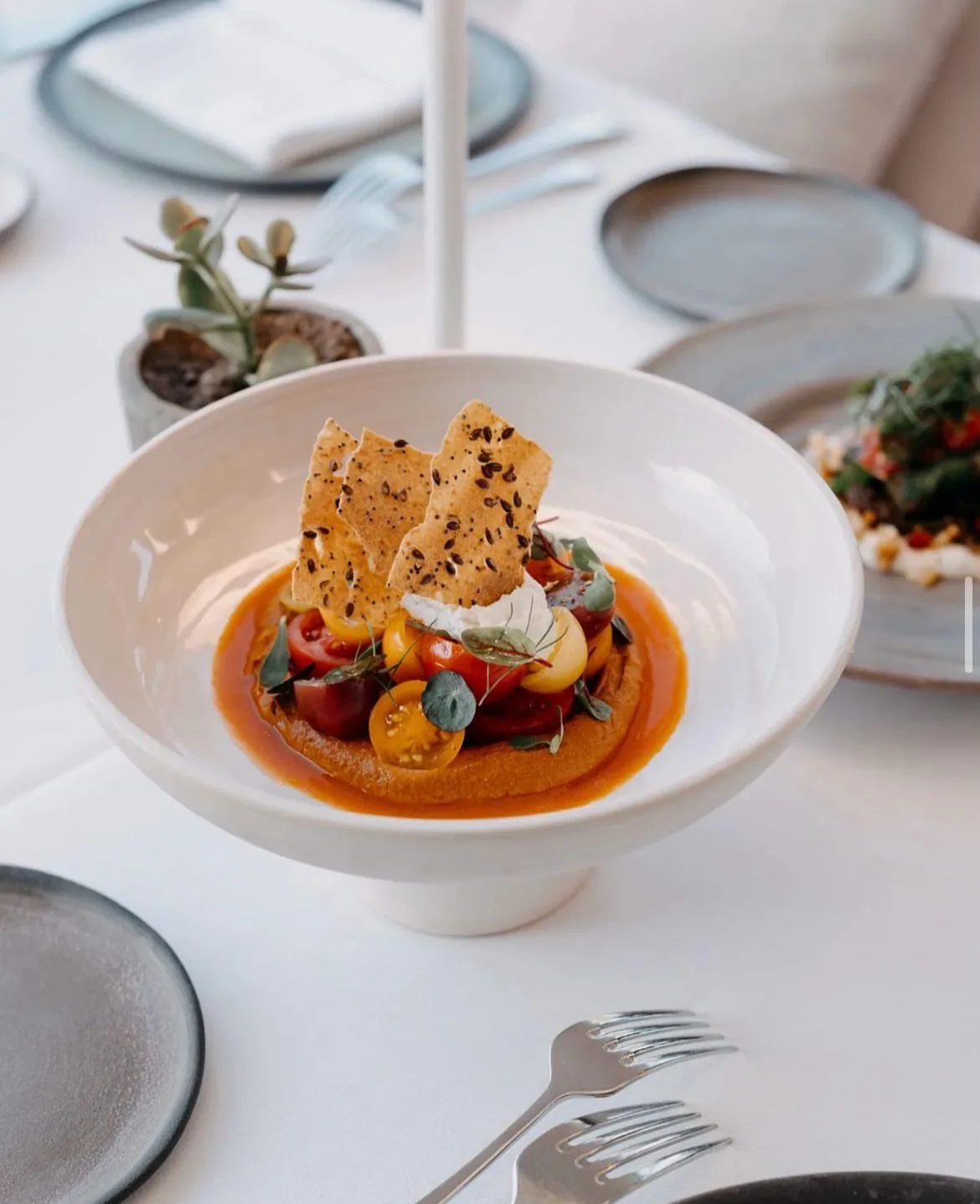
- Local vegetables: Tomatoes, cucumbers, peppers, eggplant, zucchini — all Mediterranean vegetables at their peak quality
- Fresh herbs and greens: Basil, oregano, rosemary, mint in abundance
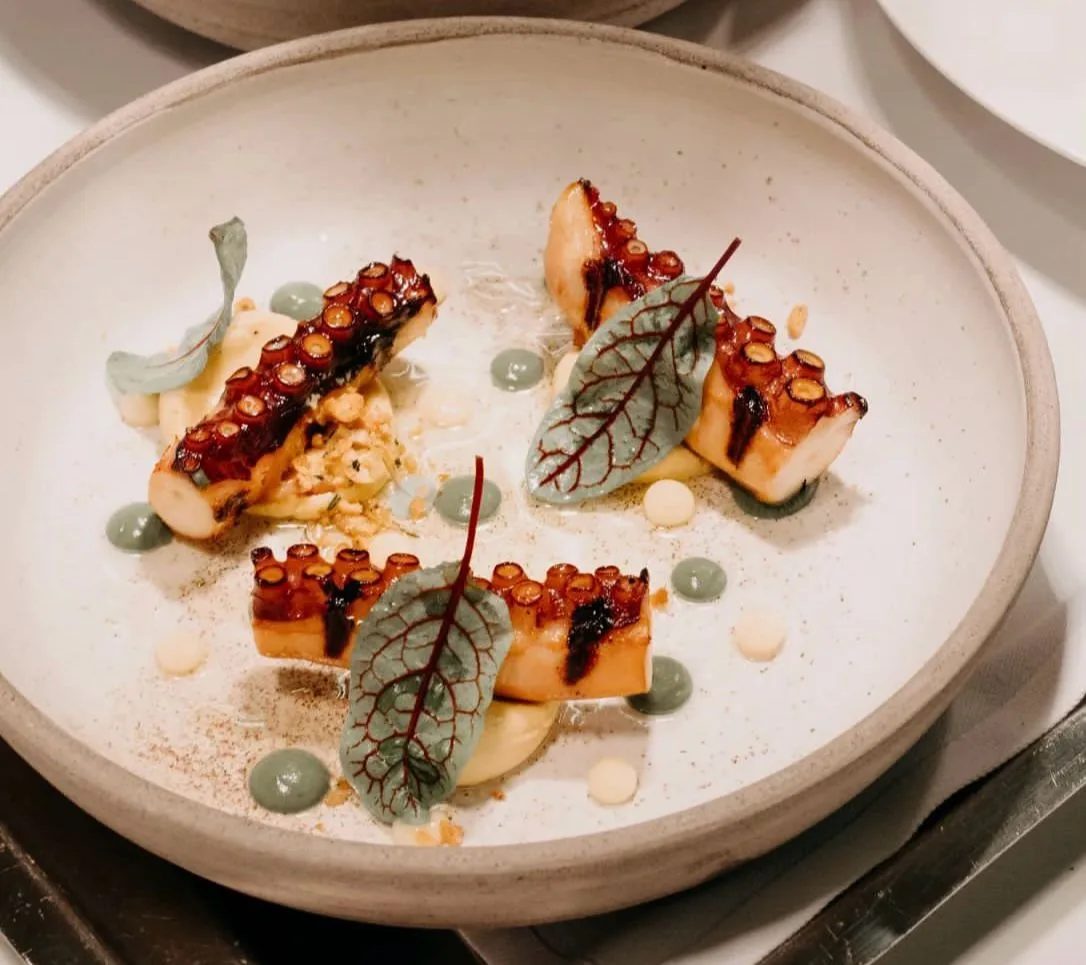
- Fish and seafood: Sea bass, sea bream, shrimp, octopus, squid — fresh and varied
- Local fruits: Figs, peaches, apricots, melon, watermelon, grapes
Summer menus should be light, refreshing, and visually striking. Grilled fish, cold starters, seafood salads, and fresh fruit-based desserts are the signature dishes of summer.
Hot weather makes cold chain management critical during summer. The yacht fine dining guide details strategies for maintaining quality in summer conditions.
Autumn Season: Deep Flavors
In October-November, while summer's abundance fades, deeper and more characterful flavors emerge:
- Mushroom varieties, chestnuts, pumpkin, leeks
- Premium ingredients like truffles and truffle oils
- Red meats and game become more prominent
- Autumn fruits: Pomegranate, quince, apple, pear
Autumn menus carry the transition from summer's lightness to winter's heartiness. Risottos, creamy soups, mushroom-based main courses, and red meat-heavy options take center stage.
Winter Season: Premium Enclosed Routes
While open-sea charters are limited in December-March, winter provisioning for enclosed route and marina programs requires a different approach:
- Long-lasting ingredients and vacuum-packed proteins are priorities
- Root vegetables, pulses, and grains form the ingredient base
- Warm, hearty menus: Stews, slow-braised dishes, wine-based preparations
- More comprehensive advance planning due to limited port options
Winter is the season that most tests the flexibility and planning capability of luxury yacht fine dining service.
Route and Weather Adaptation
The most critical element of seasonal provisioning planning is being prepared for the variability introduced by routes and weather:
- Summer meltem winds cause frequent route changes — menus must be flexible
- Spring and autumn weather shifts can affect port schedules
- Winter marinas have limited supply options
Menu Flexibility and Alternative Planning
The principle that applies to every season: if the provisioning plan has no alternatives, the plan is incomplete. A successful yacht program must include alternative scenarios that can quickly adapt to changes in weather, route, or guest preferences.
To elevate your yacht charter experience, let us build your seasonal provisioning plan together through our yacht fine dining service.