Why yacht and jet kitchens are different
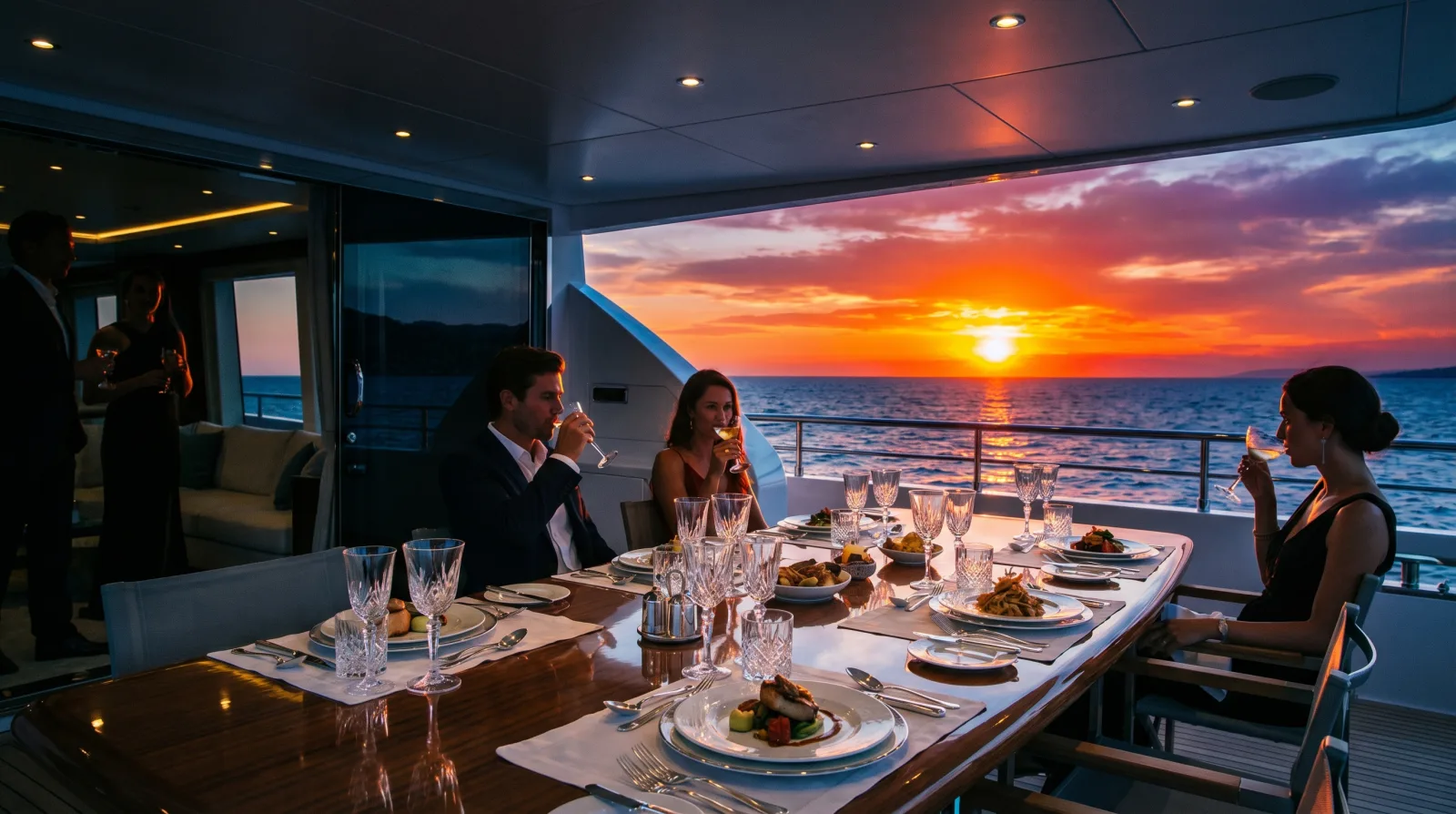
Cooking on a yacht or private jet is far more than a portable kitchen operation. Delivering VIP-level gastronomy in an environment that is constantly moving, where pressure changes, supply access is limited, and guest expectations are set to the same height as a three-star restaurant on land — requires discipline, preparation, and the ability to adapt without lowering the standard.
The real difference between a yacht chef and a restaurant chef
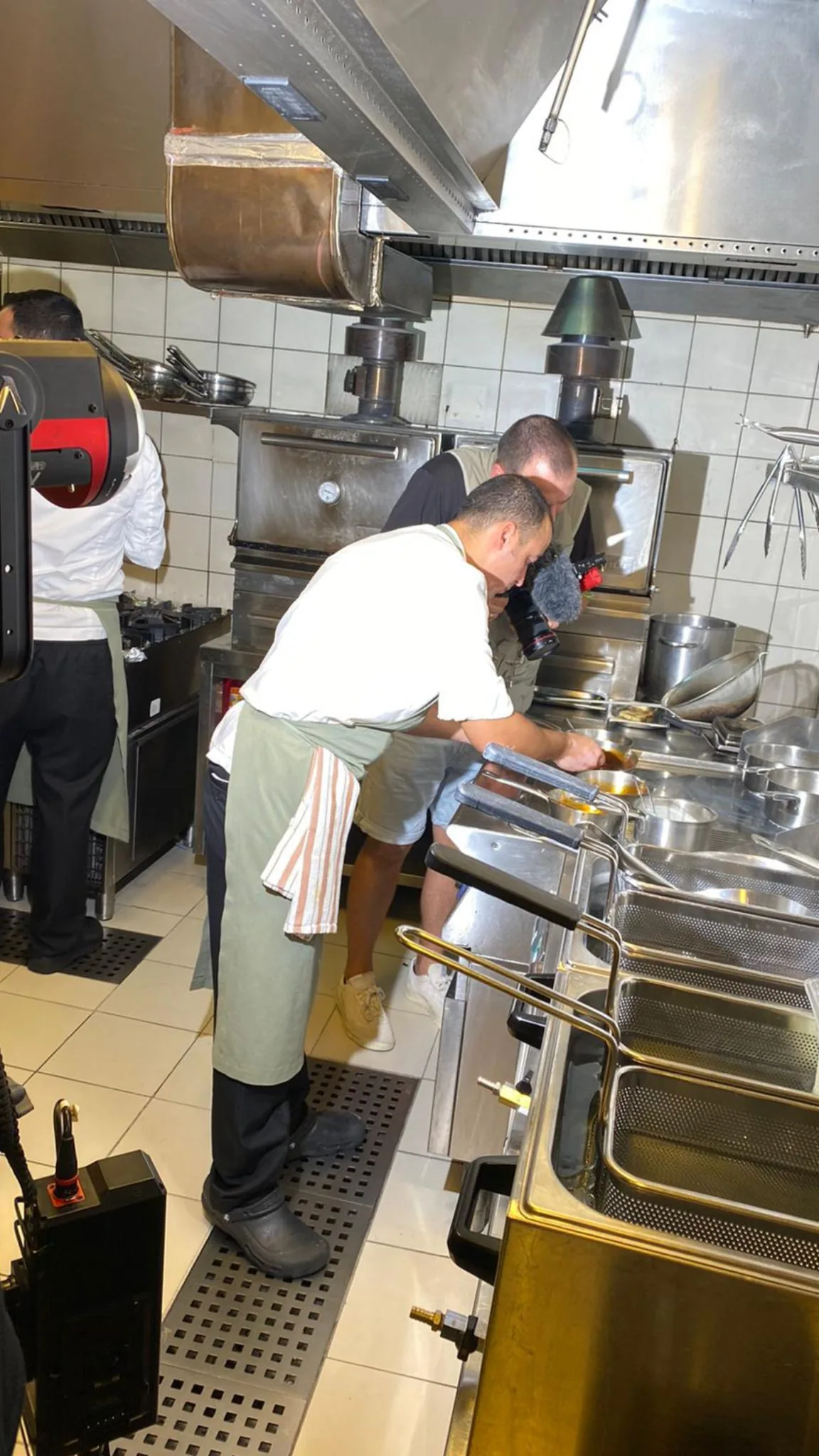
A restaurant chef operates from a fixed kitchen with a planned menu. A yacht chef works in a dynamic environment, across changing ports, inside the physical constraints of a galley, and recalibrates every service around the guest's daily rhythm.
| Dimension | Restaurant chef | Yacht chef |
|---|---|---|
| Supply | Fixed suppliers, daily delivery | Port-based, variable by route |
| Kitchen space | Full stations and wide prep areas | Compact galley, limited equipment |
| Brigade | Structured, multi-position | Often solo or 1+1 |
| Menu flexibility | Fixed seasonal menu | Updated based on what the port offers |
| Working conditions | Stable floor, consistent energy | Swell, power limits, remote position |
Critical galley equipment planning
A well-equipped yacht galley should include:
- Induction cooking system (safer and more energy-efficient than gas)
- Combination oven (steam and convection options)
- Vacuum sealer (dual purpose for sous vide cooking and storage)
- Blast chiller and deep-freeze capacity
- Dedicated cold-storage sections (wine, product, and service separated)
Coordinating this setup with the charter operator must happen at the beginning of pre-trip planning, not on the day of departure.
Jet fine dining: how altitude changes flavor
Serving on a private jet is its own discipline. At cruise altitude (8,000–12,000 metres):
- Sweet and salt perception weakens by 20–30%
- Umami notes become the most reliable taste anchor
- Low cabin humidity (around 15%) causes palate dryness and taste fatigue
For this reason, a jet menu is built on these principles:
- Umami-forward ingredients (fermented products, bone broth, parmesan, miso) take the lead
- Flavors are balanced rather than pushed to extremes of salt or sweetness
- Sauces are carried separately and added tableside (pre-plated sauces dry out quickly in low humidity)
- The beverage program is designed with active hydration as a priority
Logistics and pre-flight preparation protocol
For both yacht and jet service, 80% of the operation is complete before the boat leaves the marina or the plane takes off:
- All proteins and sauces are sous vide or pre-cooked to a controlled stage
- Garnishes are portioned separately in dedicated sealed containers
- Sauces and sauce bases are transferred to squeeze bottles for clean service
- The plating protocol is documented in writing and photographically for crew reference
This system means that at the moment of service, the chef focuses only on final assembly, temperature, and plating — with all complexity already resolved.
Conclusion
Yacht and jet fine dining is not simply a portable catering format. It is the art of creating a genuine gastronomic experience inside the guest's own world — whether that is on the water or above the clouds. For practical planning, Mediterranean yacht routes and menu planning and private jet fine dining service should be read alongside this guide.