
What does à la carte mean?
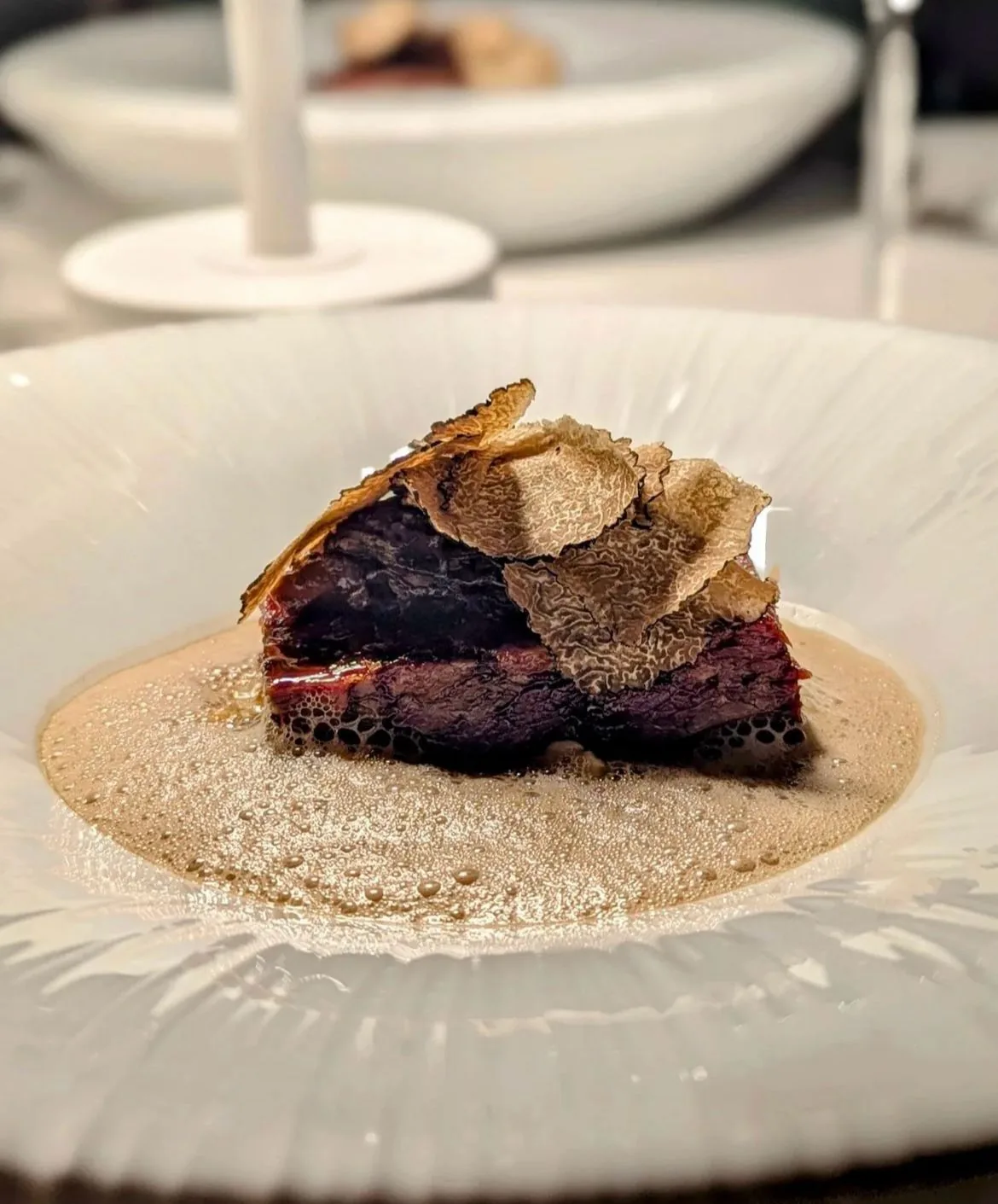
À la carte is a way of ordering in which each dish on the menu is priced separately and the guest chooses every plate individually. The French phrase means "from the menu card". In Turkish it is written as it sounds, alakart; "a la carte", "à la carte" and "ala carte" are all the same term, and the correct French spelling is *à la carte*.
In an à la carte restaurant the guest picks a starter, a main and a dessert separately and pays only for what they chose. The opposite is a menu whose courses and price are set in advance.
À la carte vs set menu vs tasting menu vs buffet
| Format | Who chooses | Price | Where you find it |
|---|---|---|---|
| À la carte | The guest, dish by dish | Each dish priced separately | Restaurants, hotel à la carte restaurants |
| Set menu (fix menü) | The kitchen, courses fixed in advance | One set price | Events, lunch menus, groups |
| Tasting menu | The chef, a sequence of courses | One set price | Fine dining restaurants |
| Buffet | The guest, serving themselves | One price or included in a package | Hotels, breakfast, large events |
We cover set and tasting menus in detail in what is a tasting menu.
What is an à la carte restaurant in a hotel?
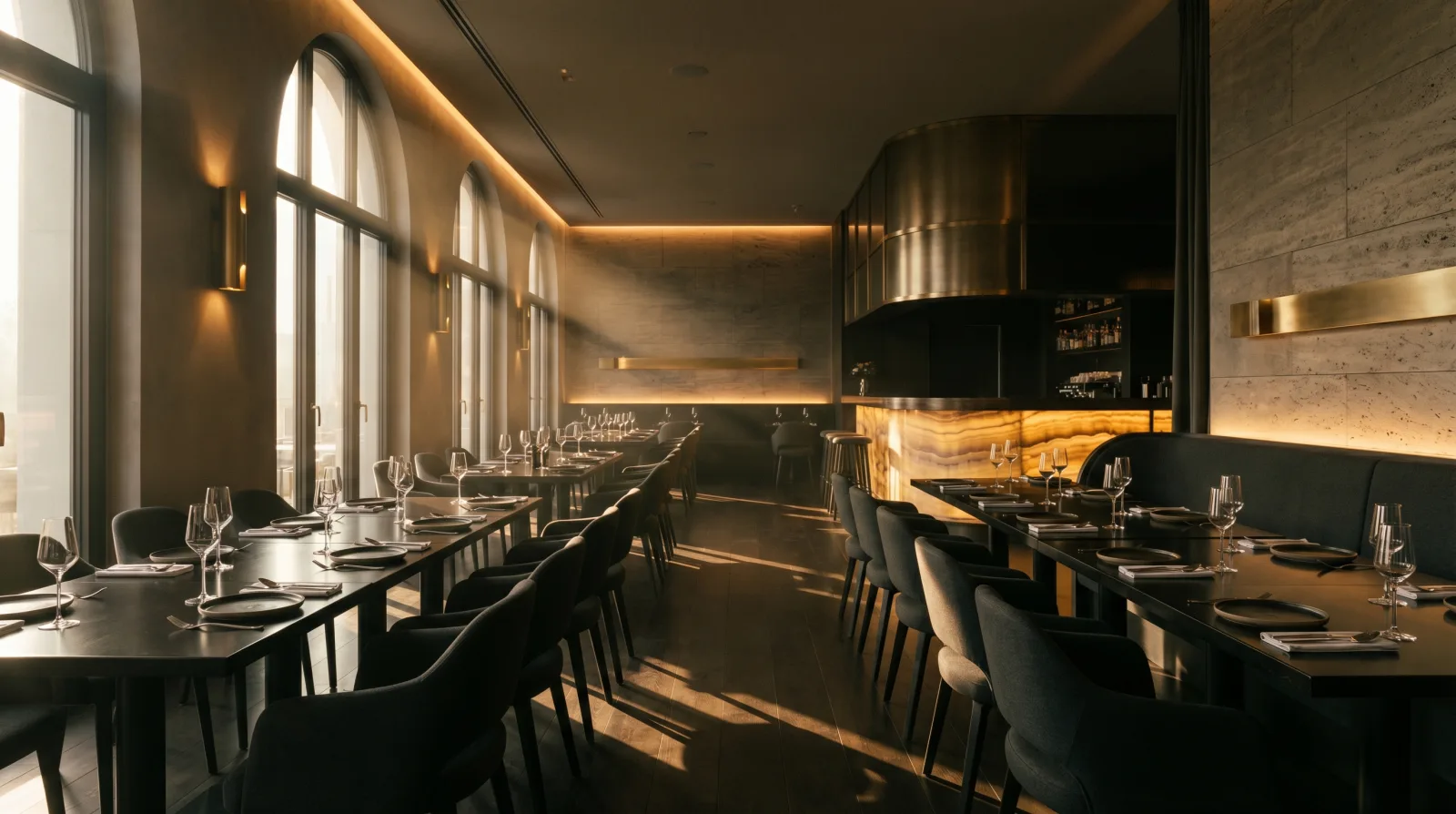
In all-inclusive hotels the main restaurant usually runs as a buffet. An à la carte restaurant is a separate restaurant where guests order from a menu, are served at the table and usually need a reservation. Hotels often give these restaurants a theme: seafood, Italian, Turkish or Asian cuisine.
Are à la carte restaurants free at all-inclusive hotels?
It depends on the hotel's concept; there is no single rule. Some hotels include a number of visits depending on the length of stay, others charge a supplement or a service fee, and drinks or certain dishes may be charged separately. Check the reservation terms in the hotel's concept information or at reception before you go.
How à la carte service works
À la carte service has more steps than a buffet and needs more knowledge:
- 1Welcome and seating: guests are seated and given menus.
- 2Order: each guest's order is taken separately, with allergies and cooking preferences asked at this stage.
- 3Completing the cover: the table starts with a basic setting; cutlery is added or removed to match the order.
- 4Kitchen flow: the order goes to the kitchen and courses are prepared in sequence, at the table's pace.
- 5Service and follow-through: each course arrives together, empty plates are cleared and the next course comes out on time.
- 6Bill: guests pay only for the dishes they chose.
The economics of an à la carte menu
À la carte gives the guest freedom and the operator complexity. Every dish on the menu means its own stock, its own preparation (mise en place) and its own waste risk, so two things matter most:
- Costing every dish separately: without a plate-level food cost calculation, prices are guesswork.
- Pruning the menu with data: dishes that sell little and earn little create stock and waste costs. Menu engineering measures this.
In hotels, à la carte restaurants can lift guest satisfaction and extra revenue, but set up badly they become a second cost centre next to the buffet. We cover the revenue side in hotel restaurant upselling. Compare other formats in types of restaurants, or see our hotel F&B consulting for your hotel restaurant.