Why Turkish cuisine is not one cuisine
Say "Turkish food" and most people think of kebabs, baklava and döner. Seen through a chef's eyes, Turkish cuisine is more like a family of regional cuisines, shaped by very different climates, soils and histories. An olive-oil dish from the Aegean and a breakfast from Van are as far apart as the cooking of two different countries.
We trace the historical roots in the history of Turkish cuisine from Central Asia to the Balkans. This guide looks at the Turkish table as it is today, region by region.
Turkish food by region
| Region | Character | Signature dishes |
|---|---|---|
| Istanbul and Marmara | Ottoman palace legacy, meyhane culture | Hünkâr beğendi, stuffed mussels, fish, the meze table |
| Aegean | Olive oil, wild herbs, vegetables | Olive-oil artichokes, fava, herb börek, samphire |
| Mediterranean | Kebabs, citrus, bulgur | Adana kebab, tantuni, hummus, şalgam |
| Southeast | Spice, pistachio, meat | Beyran, lahmacun, katmer, baklava, içli köfte |
| Black Sea | Corn, anchovies, butter | Anchovy pilaf, kuymak (cheese-corn fondue), black cabbage soup |
| Central Anatolia | Dough, dried foods | Kayseri mantı, pottery kebab (testi kebabı), etli ekmek |
| Eastern Anatolia | Breakfast, meat, dairy | Van breakfast, cağ kebab, herbed cheese |
Gaziantep and Hatay are UNESCO Creative Cities of Gastronomy, and keşkek and Turkish coffee culture are on UNESCO's Intangible Cultural Heritage lists.
Five traits that hold Turkish cuisine together
- 1Seasonality: Vegetables, herbs and fruit arrive in season; winter is prepared for with drying, pickling and grape molasses (pekmez).
- 2Zeytinyağlılar: Vegetables braised in olive oil and served at room temperature are a category with few equivalents anywhere.
- 3Mastery of dough: Yufka, börek, mantı and pide show a dough culture that changes from region to region.
- 4Yoghurt: In soups, sauces, drinks and meze, it is almost everywhere.
- 5The shared table: Institutions such as breakfast and meze turn a meal into a social occasion.
Breakfast and meze: two great table traditions
The two tables that best explain Turkish food are breakfast and meze. Neither is a single dish; both are dozens of small plates shared together:
- Turkish breakfast guide: what goes into a serpme spread, plus regional breakfasts
- Meze guide: cold and hot meze, and the rules of a meze table
The Ottoman and Anatolian inheritance
Much of the refinement in today's Turkish cuisine comes from the Ottoman palace kitchen, and its ingredient knowledge from thousands of years of Anatolian farming:
- The legacy of the Ottoman palace kitchen
- Seljuk cuisine
- The core ingredients of Anatolia
- Modern Turkish cuisine and Neo-Anatolian cooking
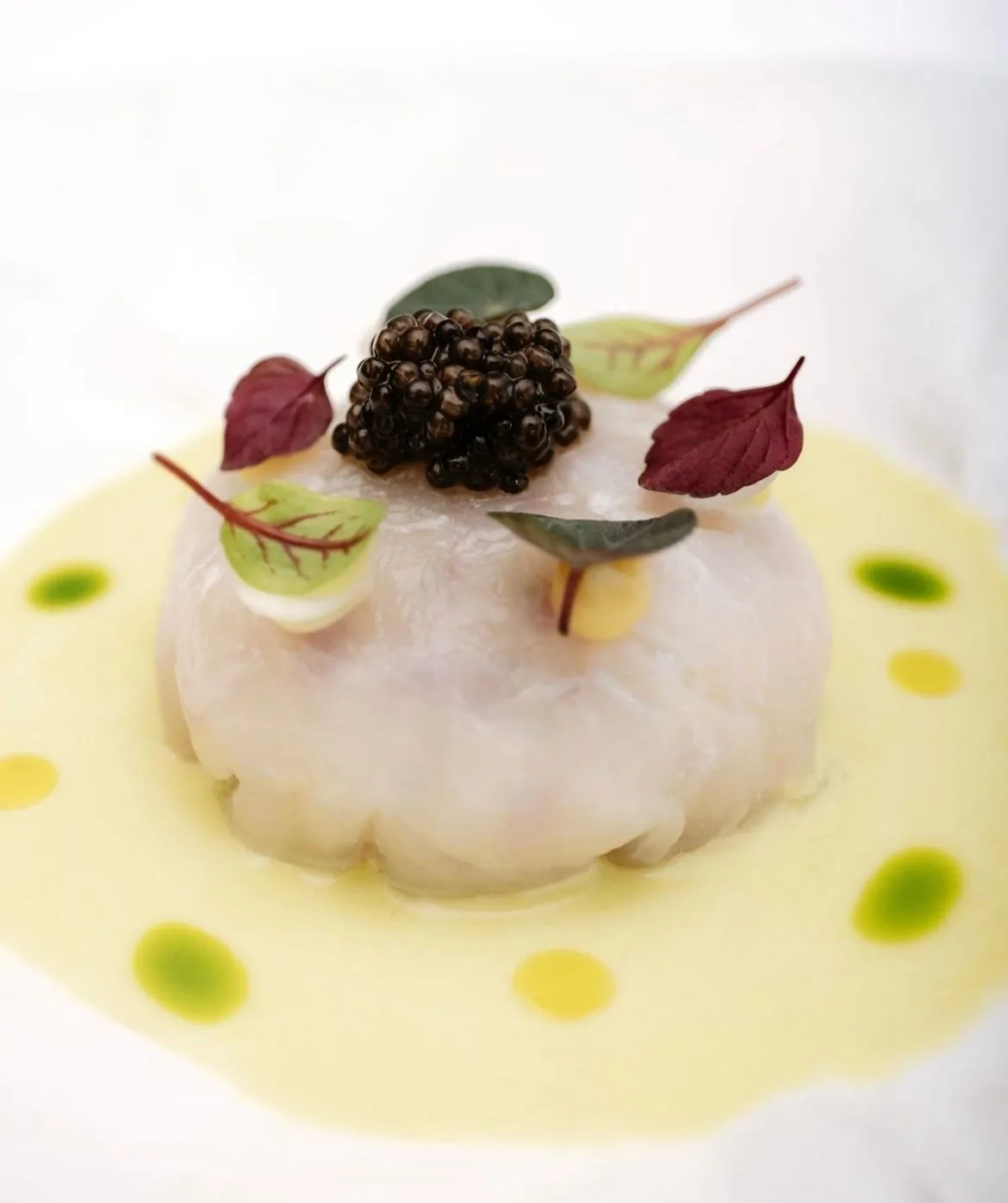
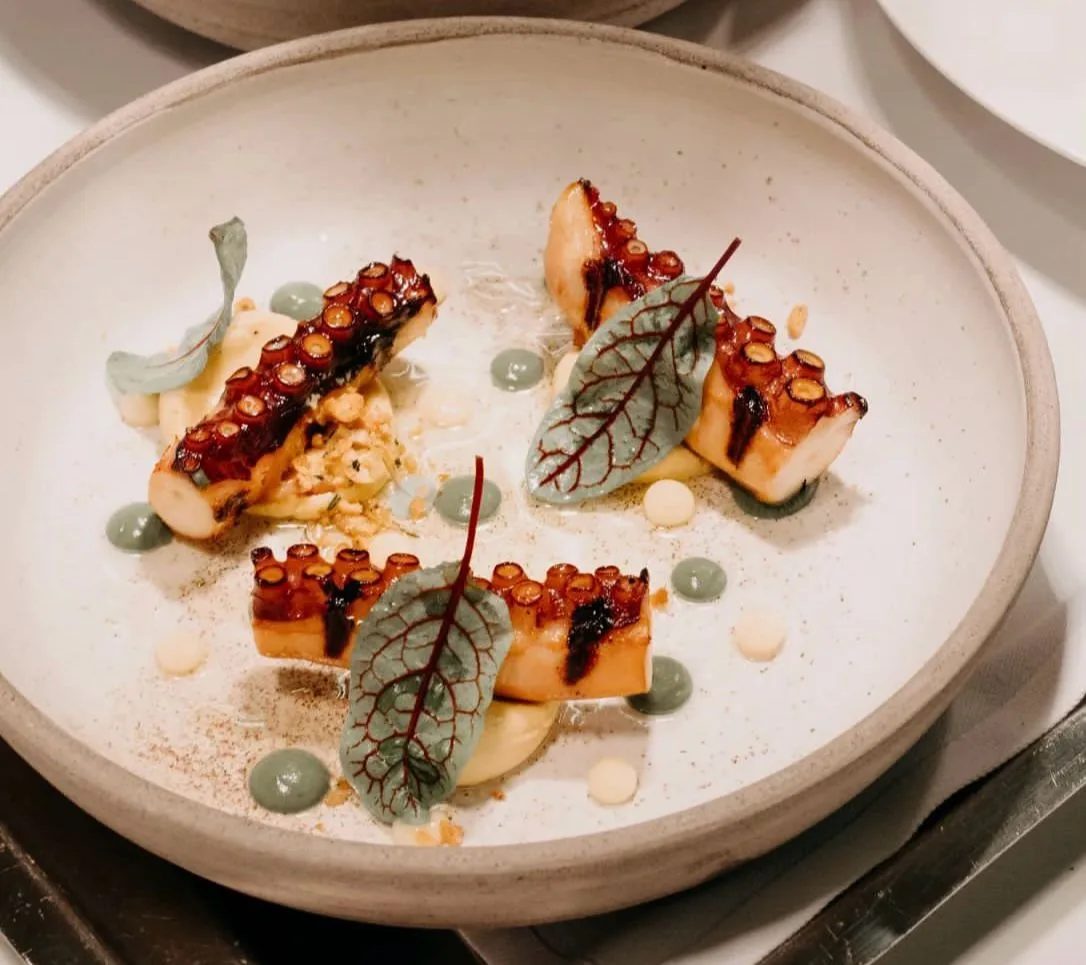
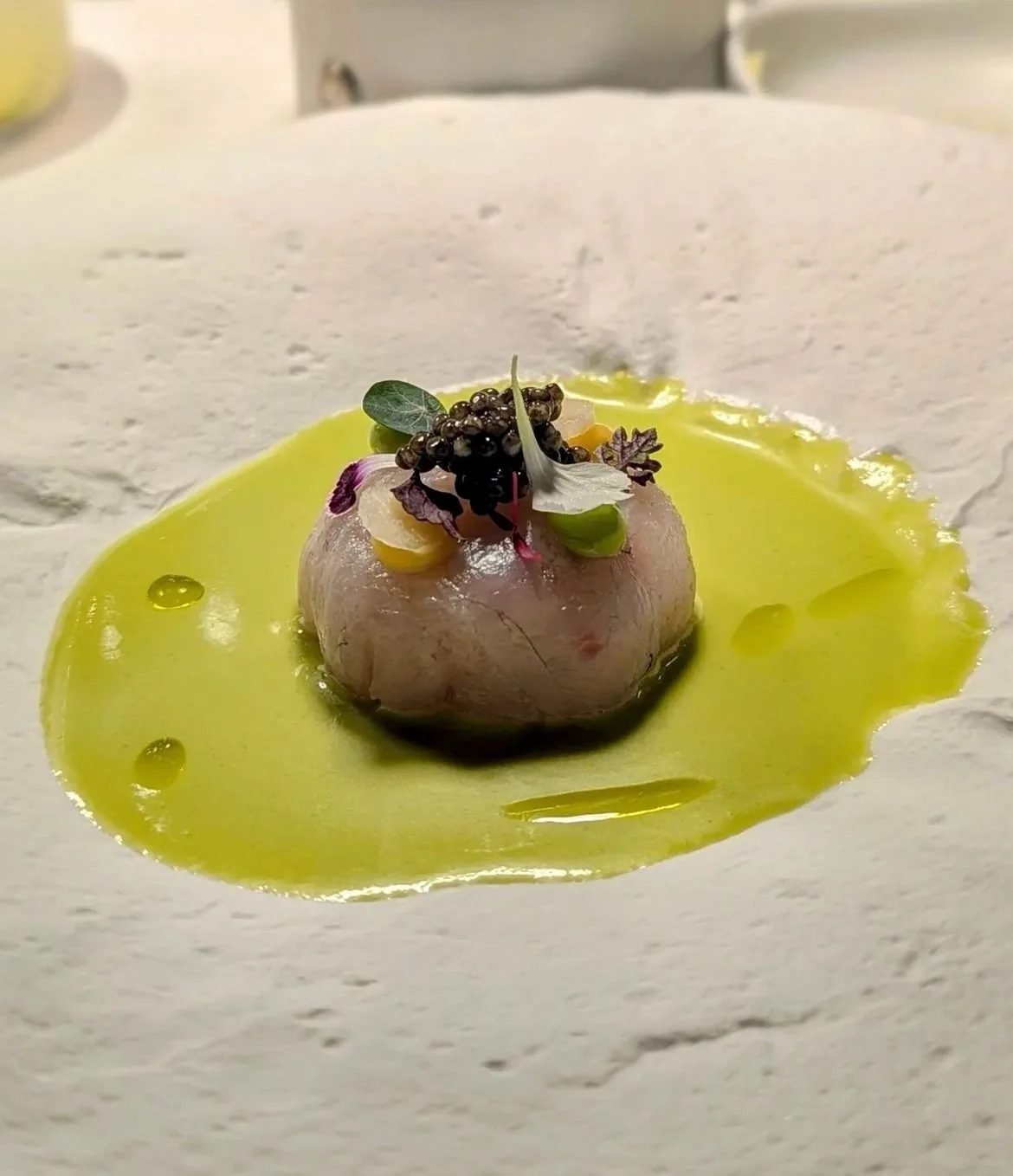
Tasting Turkish cuisine at a chef's table
Nothing explains this cuisine better than a table of good ingredients, cooked well. If you are staying at a villa or on a yacht in Türkiye and want a menu that tells the story of Turkish cuisine region by region, see our private chef service and luxury yacht fine dining. We describe the approach in adapting Ottoman and Anatolian dining culture to modern events.